
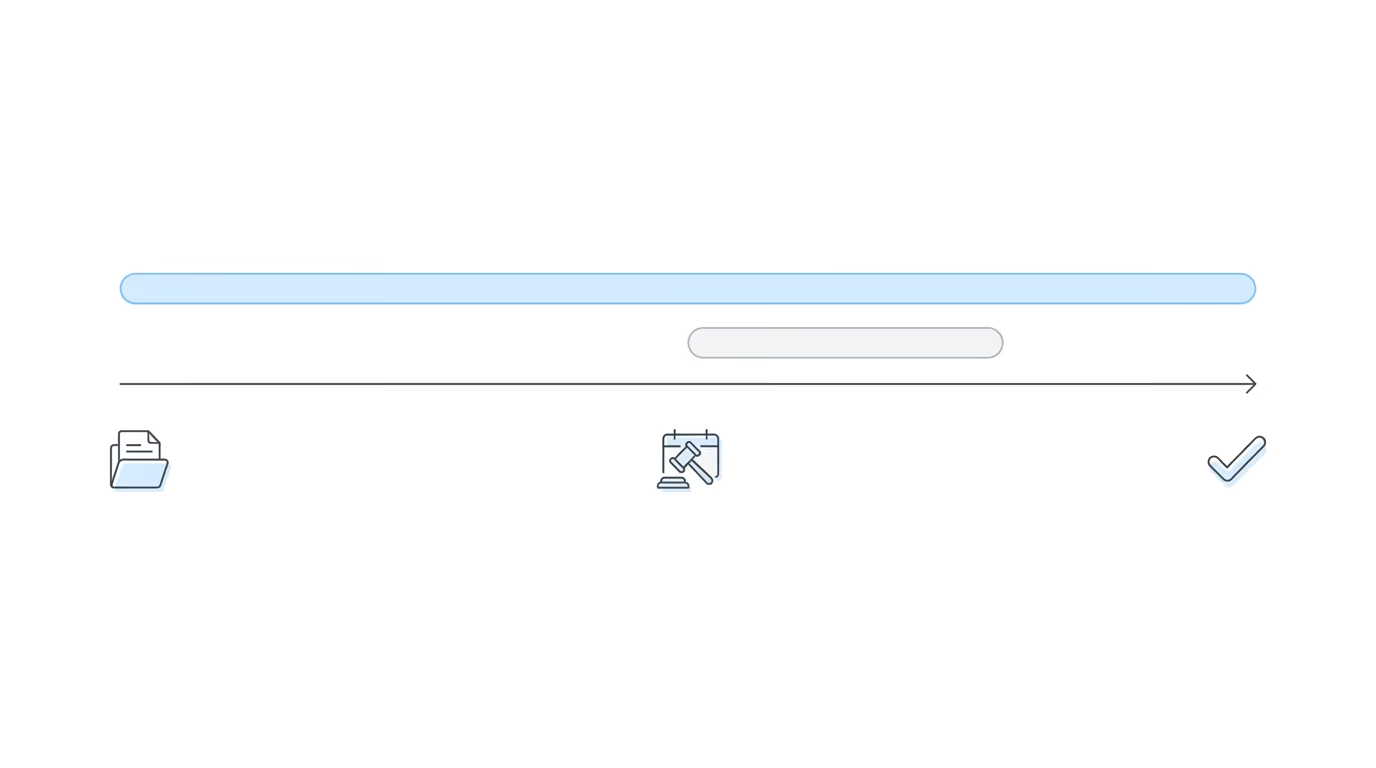
Most disability firms don’t switch ERE tools overnight. A new tool arrives, staff need time to trust it, and the instinct is to keep what’s working while learning something new. So firms run both for a period.
That side-by-side window, usually three to six months, turns out to be informative. Not just as a transition buffer, but as a kind of unplanned SSD software comparison. When both tools are active simultaneously, the boundary between them becomes visible in a way it wasn’t before.
What firms consistently report finding: Assure handles the exhibit review window before hearings. Chronicle surfaces the events that happen months earlier, the denial notices at initial stage, the CE cancellations at reconsideration, the questionnaire deadlines that arrive before a hearing is ever scheduled.
This isn’t a judgment about either platform. It’s what the overlap period reveals about how they’re built.
Most Firms Don’t Switch Cold
Switching ERE monitoring tools carries real operational risk. Staff have workflows built around the current system. Exhibit review routines, file pull processes, and case check habits are all calibrated to how the existing tool works. Adding something new mid-caseload means potential disruption to the hearing prep workflow that the whole practice depends on.
The common resolution: run both simultaneously. Staff continue hearing prep routines in Assure while Chronicle handles monitoring for the broader caseload. The transition happens gradually as staff gain confidence in what the new system is catching.
This is rational behavior. It also describes how most Chronicle customers talk about their first several months. The overlap period wasn’t designed as a comparison exercise, but it functions like one.
What Assure Covers, and Where Its Scope Ends
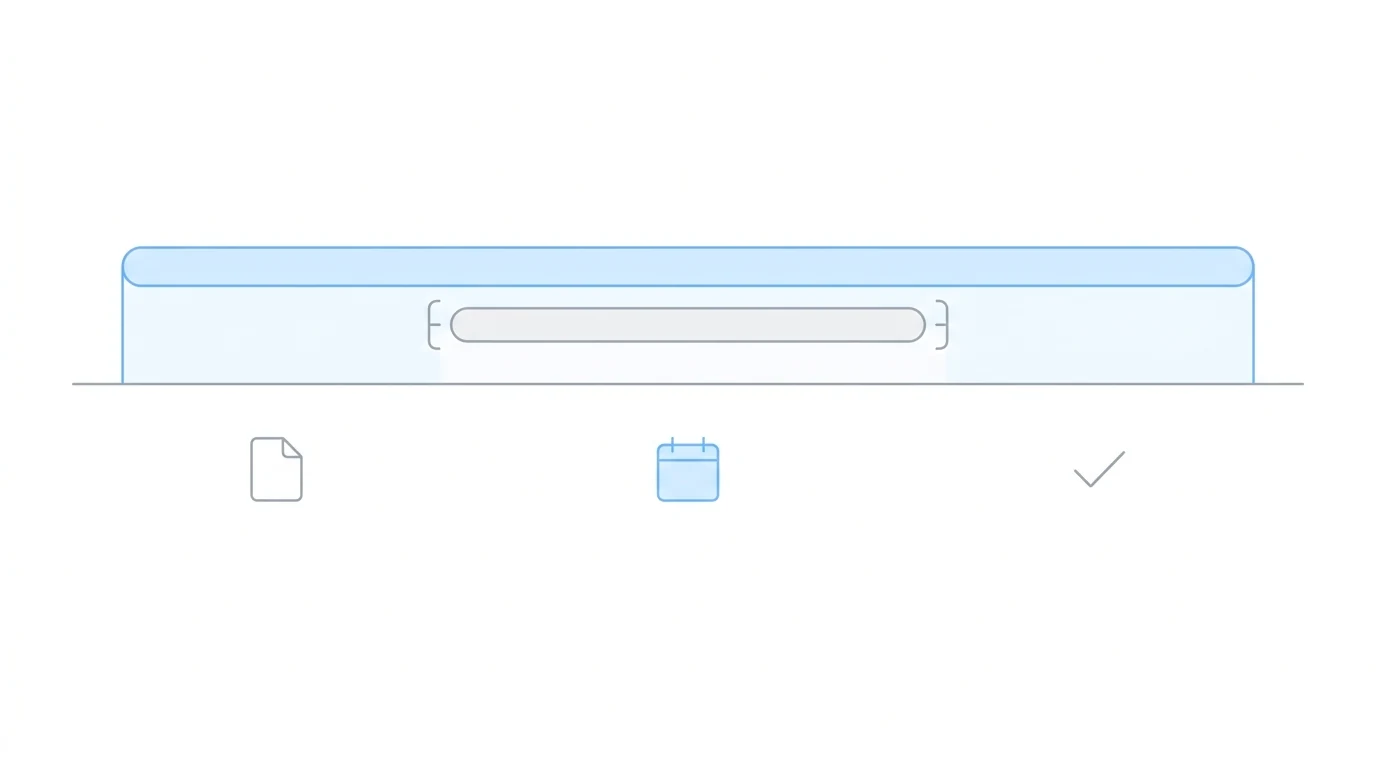
Assure is built for hearing preparation. Its core function is accessing the ERE specifically for exhibit review, pulling the electronic file in the period before a scheduled hearing, organizing documents for the pre-hearing workflow, and supporting brief writing and other hearing-stage tasks.
That design shows up in how the tool accesses case files. Assure typically pulls the eFolder a fixed number of times on a schedule tied to hearing dates (usually a handful of pulls in the weeks before a hearing). Outside that window, checking case activity requires manual updates. The platform is optimized for what happens after a hearing is on the calendar.
This reflects a design choice, not a deficiency. Assure does what it’s built to do.
The scope limitation surfaces when firms start tracking what happens to cases before hearing stage. Initial applications, reconsideration cases, and post-hearing updates fall outside the hearing-prep window. That’s where ERE events keep posting regardless of whether a hearing is scheduled: questionnaire deadlines, consultative exam scheduling changes, denial notices at reconsideration, new correspondence from SSA that requires a response.
The Events That Show Up Before the Hearing Gets Scheduled

ERE activity doesn’t begin at hearing stage. SSA posts updates at every point in the case lifecycle, and many of the most time-sensitive ones arrive before any hearing date exists.
Some of what gets posted to the ERE before hearing prep begins:
- Denial notices at initial stage: SSA posts the denial to the ERE before a letter arrives by mail. Firms that catch it there can file the appeal faster than firms waiting on physical delivery.
- Questionnaire deadlines: SSA sends questionnaires through the eFolder requiring responses within a set window. These require action regardless of case stage.
- Consultative exam notifications: Scheduling, cancellations, and results for CE exams post to the ERE. A canceled CE that goes unnoticed means a claimant may miss a rescheduled appointment without knowing it changed.
- Reconsideration correspondence: Status changes and correspondence at reconsideration stage require timely responses; physical mail from SSA field offices can be delayed or, in some cases, never arrive.
- Post-hearing updates: Decisions, correspondence, and follow-up actions after a hearing require continued monitoring. Firms on hearing-centric tools may not catch these automatically.
Firms with continuous monitoring across all case stages see these events when they post. Firms monitoring primarily around hearing prep see them during manual checks, or when something breaks.
What Firms Report Finding During the Overlap

Firms that ran both tools describe a consistent pattern: Assure was handling hearing prep; Chronicle was catching what was happening earlier in the case lifecycle. The overlap period made the distinction concrete.
Michele Marois at Anderson Marois & Associates came to Chronicle after years running both Atlasware and Assure. Her description of the switch: “I was sold immediately. I had been a person who had been from Atlasware to Assure for as long as it existed. It was not a hard decision to make. The product was just superior.”
The workflow change she describes is specific. Before Chronicle, her firm waited for denial letters to arrive before filing appeals. After: “We don’t even have to wait for a denial letter. We can enter the date of the denial, download whatever denial document it is and get that appeal filed.” That shift, filing from an ERE-detected denial rather than a mailed letter, is a direct consequence of catching notices when they post rather than when physical mail arrives.
At Rabin and Associates in Chicago, the transition came from a firm that had been an early Assure adopter. The 1,500 to 2,000 case practice had previously dealt with denial notices from SSA field offices that sometimes arrived late or never arrived at all due to address mismatches. Missed denial dates required good cause letters. Since implementing Chronicle, those situations stopped. As Shari Rabin puts it: “We don’t miss those dates anymore.”
Walker Firm presented a different version of the same pattern. Timothy Walker-Dupler had run Litify alongside Assure for years and spent that time trying to build a reliable bridge between the CRM and ERE data without success. With 3,500 active cases, inconsistencies between Litify and the ERE surfaced at the worst moments: wrong claim types at hearings, cases held on non-viable statuses for too long. Chronicle’s Litify plugin resolved the matching problem in one call; the majority of Walker’s 3,500 cases were matched between Litify and the ERE within days. His account: “I’d been trying to get this set up for like, for years on my own. And like being able to do it like 30 minutes after one phone call made it like, made it an obvious decision for me in the firm.”
The common element across these accounts isn’t that Assure failed. It’s that Chronicle covered a stage Assure wasn’t designed for.
When Firms Keep Both, and When They Consolidate
Not every firm ends the overlap period by consolidating on one platform.
Some practices keep Assure for services that are separate from ERE monitoring entirely. Assure offers brief writing, hearing coverage networks, medical record retrieval, and referral programs that generate revenue for the firm. These standalone services don’t overlap with what Chronicle does, and firms that value them continue using Assure for that work regardless of which ERE monitoring tool they choose.
For firms using Assure primarily for hearing prep and exhibit review, the consolidation decision depends on case mix. Practices with a high proportion of initial and reconsideration cases see the most operational difference from switching fully, because that’s where continuous monitoring changes daily workflows most directly. Hearing-heavy caseloads can look different; the overlap period sometimes shows that both tools were covering genuinely different segments of active matters.
CMS integration is also a factor. Chronicle integrates with Clio, Filevine, MyCase, Litify, and Zapier; Assure’s integrations are more limited outside of Prevail. For firms that need ERE data to flow into their system of record automatically, that integration depth determines whether a switch makes sense operationally.
Questions Worth Asking Before You Decide
The useful questions when evaluating an ERE tool transition aren’t about feature lists. They’re about where your caseload sits and how your firm currently learns about SSA activity.
What percentage of your active caseload is pre-hearing? If most matters are at initial, reconsideration, or post-hearing stages, the events that require action most often happen outside the hearing prep window. Continuous monitoring changes operations at those stages in ways hearing-centric tools don’t.
How does your firm currently find out about denial notices? If the answer is physical mail, you’re operating on SSA’s mail delivery timeline. ERE monitoring surfaces denials when they post, which can be days or weeks ahead of a letter.
The time cost of manual ERE checking is the clearest signal that something systematic is missing. Martin, Jones & Piemonte estimated five or six hours per week per paralegal before automating ERE checks. At the Law Office of Nancy L. Cavey, each paralegal was spending 15 to 20 hours per week. That’s not a small number, and it compounds as caseload grows.
Are you using Assure for services beyond ERE access? Brief writing, hearing coverage, and referral programs are separate from ERE monitoring. Firms keeping those services often continue running Assure regardless of which monitoring tool they choose for the caseload.
Does your CMS reflect ERE data automatically? If staff are manually updating two systems, or if discrepancies between the ERE and CMS create problems at hearings, integration capability becomes part of the decision.
Frequently Asked Questions
Can you run Assure and Chronicle at the same time?
Many firms do, both during a formal transition and long-term. Assure focuses on hearing prep and exhibit review; Chronicle monitors the ERE continuously across all case stages. They handle different parts of the lifecycle, which is why the overlap period tends to be informative rather than redundant.
What does Assure cover that Chronicle doesn’t?
Assure offers services beyond ERE access: brief writing, hearing coverage networks, medical record retrieval, and referral programs that pay the firm for appeals and Medicare Advantage cases. These are standalone services with no equivalent in Chronicle.
What does Chronicle cover that Assure doesn’t?
Chronicle provides daily monitoring across all case stages, including initial, reconsideration, and post-hearing. Events that post to the ERE outside the hearing prep window, denial notices, CE cancellations, questionnaire deadlines, get flagged automatically. Chronicle also integrates with Clio, Filevine, MyCase, and Litify, writing ERE data back to the CRM without manual entry.
How long does a transition from Assure to Chronicle take?
Most firms complete initial setup in one onboarding call. The period of running both tools simultaneously typically spans three to six months. Existing case histories don’t require migration; Chronicle begins monitoring from the point of activation.
The overlap period answers something a feature comparison chart doesn’t: which stages of your caseload each tool actually covers. That question is easier to answer from direct experience than from spec sheets.
For a deeper look at how the hearing prep vs full-lifecycle distinction plays out operationally, that piece is the clearest breakdown of the two approaches. Firms actively considering consolidation will find both what the switching experience typically involves and how case backfill works when changing tools useful before making that decision. For practices planning to run both tools together long-term, the operational model for doing that is a separate question from what the overlap period surfaces.