
The decision to switch ERE tools is not taken lightly. Assure has been part of the SSD ecosystem for years, and firms that have built workflows around Atlasware Cloud have real operational history with the platform. These aren’t firms that stumbled into Assure by accident; they chose it because it worked for what they needed at the time.
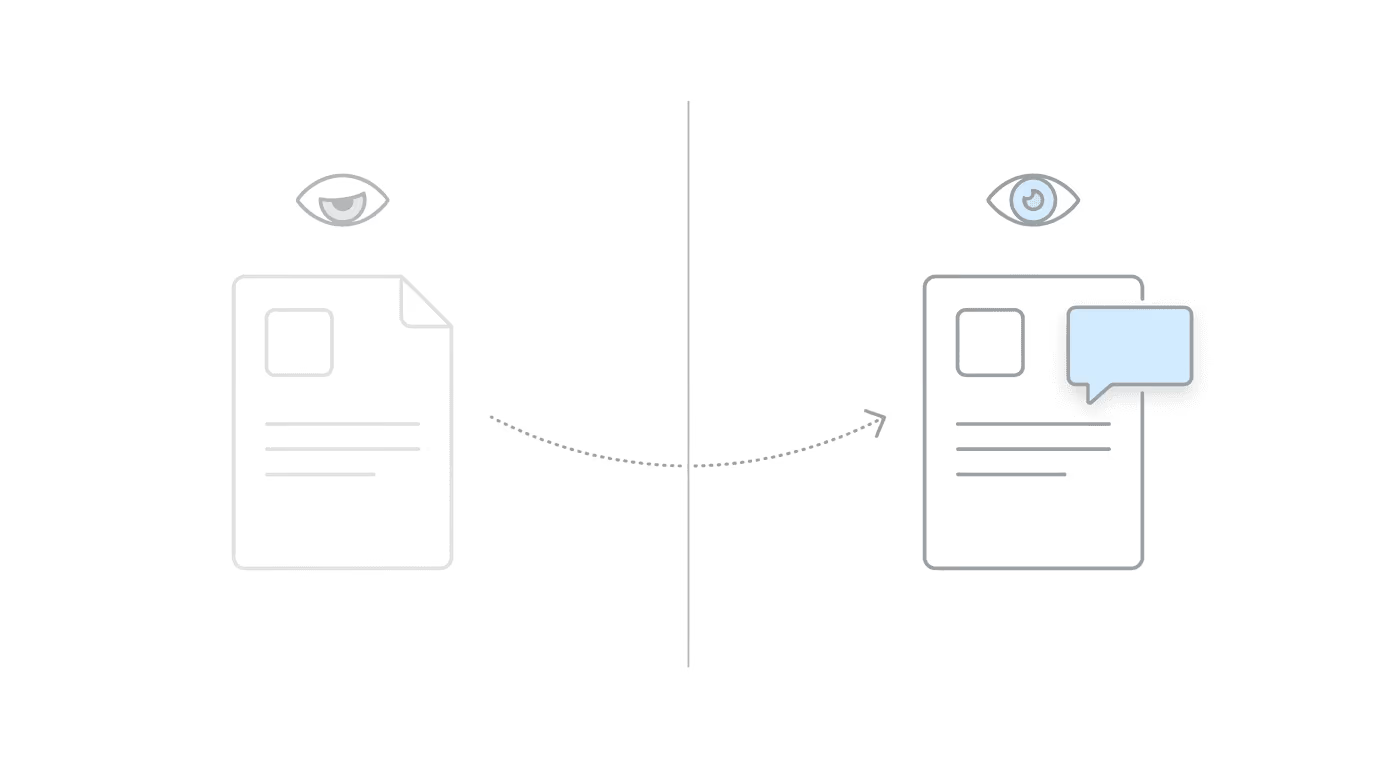
The switch conversations happening now aren’t about dissatisfaction with hearing prep. They’re about something that hearing prep tools were never designed to solve: continuous, lifecycle-wide visibility into what the SSA is doing across every active case, every day. That’s a different problem. And it has a different shape.
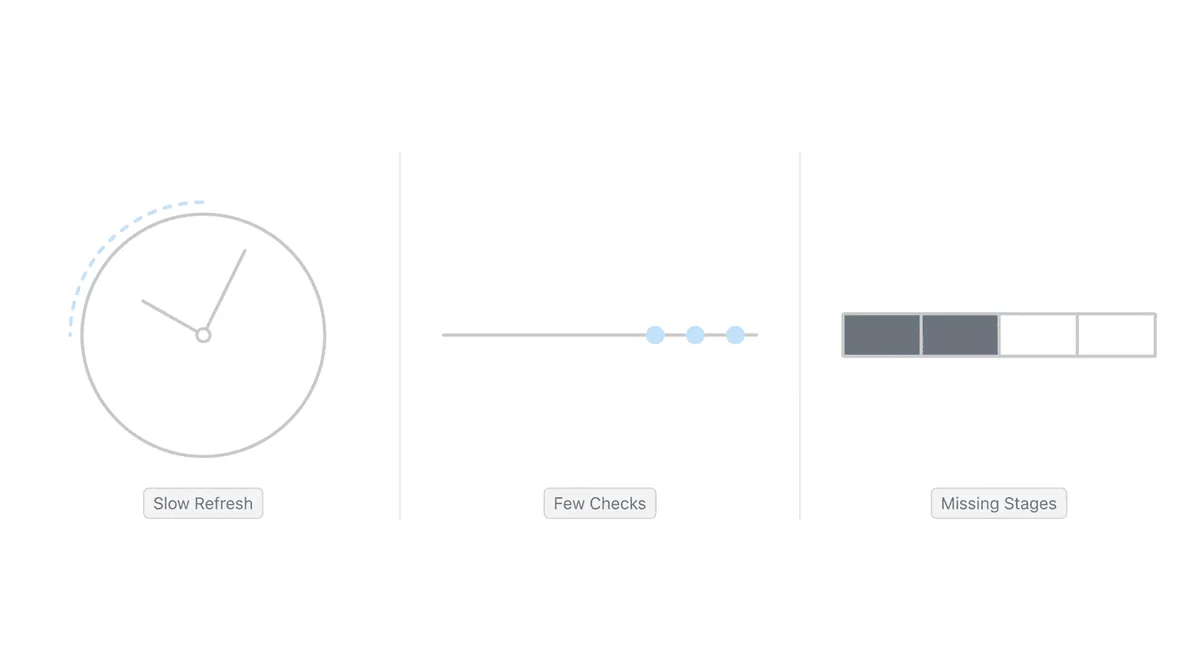
Three patterns come up consistently when disability firms describe why they started looking at alternatives. Refresh speed. E-file check frequency. Visibility at the initial and reconsideration stages. Each one is a natural consequence of what Atlasware Cloud was built for; each one is also a natural gap when a firm’s needs grow beyond hearing prep. This article breaks down each gap, explains what changes when you add full-lifecycle monitoring, and gives you the framework to evaluate whether a switch makes sense.
What Assure Does (and What It Doesn’t)
Assure is a hearing prep platform. That framing matters because it sets accurate expectations for what Atlasware Cloud is designed to do and why certain gaps are structural rather than fixable with a configuration change.
Atlasware Cloud gives firms ERE access for e-file downloads and exhibit review in preparation for hearings. It’s built around the pre-hearing workflow: pulling the e-file on a scheduled basis as a case approaches the hearing stage, making that material available for attorney review, and supporting the exhibit-management and brief-writing steps that follow. The platform does this reasonably well. Firms with high hearing volume and focused pre-hearing operations get real value from it.
Assure has also built adjacent services around this core. Brief writing, medical summaries via Atlasware Intelligence, hearing coverage through their representative network, medical record retrieval. Together these make a coherent package for firms whose primary operational concern is hearing-stage execution.
What Atlasware Cloud is not built to do is provide ongoing operational monitoring across the full case lifecycle. The e-file pulls are scheduled and hearing-centric; typically three to five times across the pre-hearing window. Outside those scheduled pulls, manual updating is required, and that process takes time. Updates can lag by hours, sometimes considerably longer when SSA systems are under load.
That design is intentional. It matches the use case Assure was designed for. The friction emerges when a firm’s footprint extends beyond hearing prep: when the firm needs to know what the SSA is doing at the initial and reconsideration stages, wants to act on changes the day they happen, or needs an audit trail for what was checked across hundreds of cases.
The Three Gaps Driving Firms to Switch
Operational problems that actually drive platform switches tend to be specific. Abstract dissatisfaction rarely moves a firm to make the change. What moves firms is a concrete, recurring problem they can name; one they’ve confirmed is structural.
All three gaps below are architectural consequences of Atlasware Cloud’s hearing-prep focus. None of them are bugs in the product. They’re design choices that work well for one use case and create friction for another.
Gap 1: Refresh Speed
When you need to know what changed in the ERE today, and the answer requires a manual update that takes several hours, the monitoring tool isn’t doing the job.
Atlasware Cloud’s scheduled pulls run on their schedule. The problem is what happens between those windows. If a notice posts, a questionnaire appears, or a status changes outside a scheduled interval, the firm doesn’t know about it until the next pull runs or until staff manually trigger an update. For pre-hearing work specifically, a few hours of lag rarely derails a well-organized hearing prep workflow. The exhibit you needed yesterday is still there today. The hearing is still on the same date.
The calculus changes at the initial and reconsideration stages. Time-sensitive notices, questionnaires that need prompt responses, denial dates that start appeal clocks: these don’t accommodate multi-hour lag windows gracefully. Firms describing this gap often frame it as a confidence problem rather than a workflow problem. They can’t be certain they know what the SSA has done today. That uncertainty compounds over hundreds of cases.
Gap 2: E-File Check Frequency
A handful of e-file pulls across the entire pre-hearing window is not the same as daily monitoring. The distinction sounds technical. The operational difference is not.
Atlasware Cloud’s pulls are designed for a firm preparing for a specific event. The firm needs a current e-file at key milestones leading up to the hearing. That’s a coherent design for pre-hearing review. What it doesn’t provide is the daily check cadence that operational monitoring requires across a full caseload.
Pre-hearing review asks: “Is this e-file current for hearing prep?” Daily monitoring asks: “What changed across my entire caseload today?” Those questions have different answers, different timing requirements, and different downstream consequences. For firms that need to know what changed today, not what happened since the last scheduled pull: the check frequency gap is where the Assure experience stops serving them.
Gap 3: No Initial and Reconsideration Visibility
This is the gap that surprises firms most when they realize it’s structural.
Atlasware Cloud is designed for hearing-stage workflows. Cases at the initial and reconsideration stages; which represent a large share of most SSD firms’ active caseloads; are outside the intended scope of its monitoring functionality. Firms running significant initial and recon volume don’t have monitoring coverage at those stages through Assure. The practical consequence is that firms learn about SSA activity at those stages from physical mail, from client calls, or by manually logging into the ERE.
For smaller practices where hearings dominate and initial/recon volume stays low, this is workable. For firms carrying 400, 700, or more than 1,000 initial and recon cases, it’s a meaningful operational blind spot. Mail gets delayed. Questionnaires go unnoticed until they’re past due. Clients call to report denials the firm should have caught first, which is a client trust problem on top of a workflow problem.
“We need to have a more consistent picture of what’s happening with our clients’ cases at that level,” Brett Fulton of Disability Attorney Services LLC described the challenge. The firm had 700 initial and reconsideration cases actively running when they evaluated Chronicle. That volume doesn’t sustain on manual visibility. For firms comparing tools at this stage, Assure vs. Chronicle side by side lays out the coverage differences in detail.
What Full-Lifecycle ERE Monitoring Actually Means
The category distinction is the most useful frame for evaluating this decision. Firms often compare tools by feature list. The more useful question is what workflow problem each tool was designed to solve.
ERE monitoring answers: “What changed at the SSA today?” It’s continuous operational visibility: checking the ERE and e-file daily for every monitored case, surfacing status changes, new documents, notices, questionnaires, and hearing scheduling updates. The value is in frequency and coverage, not in any single capability.
Case management systems answer a different question entirely: “What work should our firm do?” Tasks, internal workflows, contacts, notes, matter management. A CMS is the firm’s system of record. ERE monitoring is the mechanism that keeps the firm aligned with what the SSA is actually doing. The two categories are complementary; for a deeper look at where one ends and the other begins, see ERE monitoring vs case management. They don’t overlap.
Hearing prep tools answer a third question: “Is this case ready for the hearing I have scheduled?” Event-driven review, exhibit management, medical chronologies, brief writing. The timing is event-specific, not continuous.
Understanding what full-lifecycle SSD operations looks like in practice helps clarify what the monitoring shift actually involves. The daily check runs for every case: initial, reconsideration, hearing, and post-hearing. Not just cases approaching a scheduled event. Firms that monitor at this cadence don’t rely on mail as the primary signal of SSA activity. They file appeals before denial letters arrive. They call clients before notices are delivered.
Chronicle is built for this monitoring model. It checks the ERE and e-file daily for each monitored case across all stages, surfaces what changed, and gives teams the ability to act on that information the day it’s available. Chronicle is CMS-agnostic; it works with Prevail, Clio, Filevine, MyCase, Litify, and systems with API access via Zapier. Switching your ERE monitoring layer doesn’t require touching your CMS.
Chronicle is not a hearing prep replacement. Assure’s brief writing services, hearing representative network, and medical record retrieval are outside what Chronicle covers. Firms that switch are typically keeping their CMS, keeping their brief writing workflow, and replacing the monitoring layer specifically. That’s the architectural choice: periodic hearing-centric review, or continuous lifecycle monitoring? Firms still evaluating options at this point may want to see the broader list of alternatives to Assure Disability before committing to a direction.
What Changes When Firms Switch
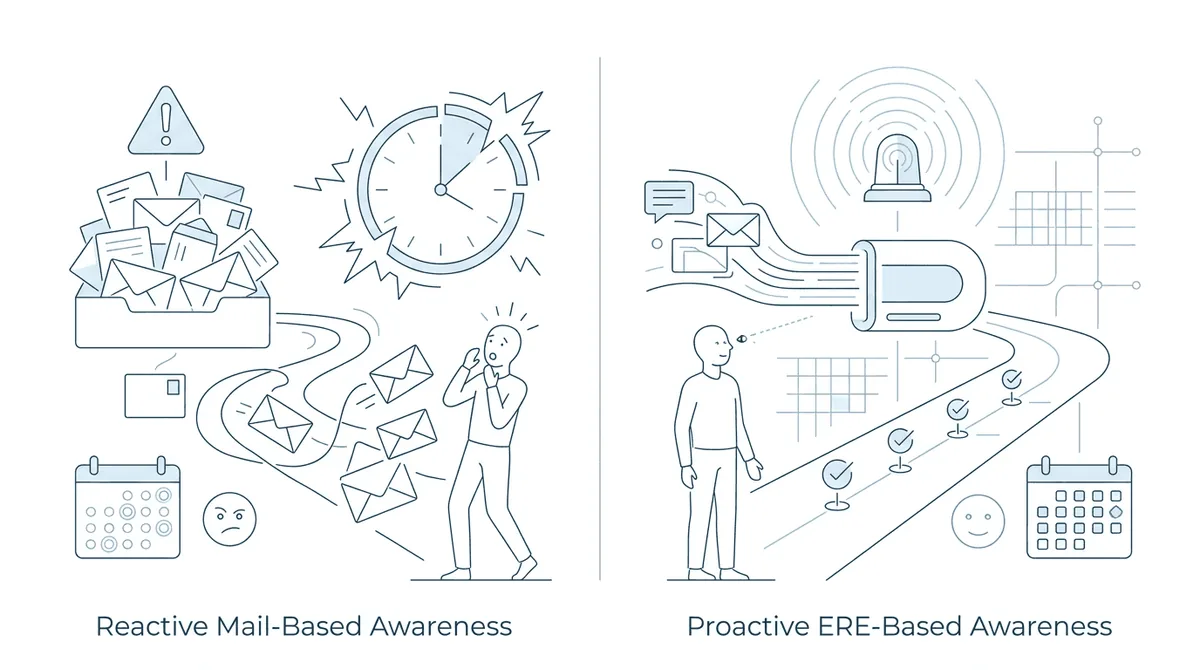
The shift from periodic review to daily monitoring changes three things in practice. When you know about SSA activity. How your staff spends their time. How you communicate with clients. None of these are abstract benefits; they show up in specific daily workflows.
Earlier awareness. When the ERE is checked daily, changes surface the day they happen. A denial is visible before the letter arrives. A questionnaire is flagged the day it posts. A hearing date change appears in the dashboard before clients call to report it.
Michele Marois of Anderson Marois & Associates described the shift: “We don’t even have to wait for a denial letter. We can enter the date of the denial, download whatever denial document it is and get that appeal filed…” The appeal process starts days earlier than it would if the firm were waiting for mail. That’s a concrete workflow change, not an abstraction; and for time-sensitive appeals, those days matter.
Staff time and audit trail. Manual ERE monitoring fails quietly. The problem isn’t the login itself; it’s the absence of any record showing what was checked, when, and what was found. Without that trail, you can’t confirm coverage. Automated daily monitoring creates the record. Staff don’t spend their days on repetitive ERE logins; the system runs the check and flags what requires attention. What gets redirected is the judgment-requiring work that logins were displacing.
Krysti Monaco of the Law Office of Nancy L. Cavey put a number on the pre-Chronicle state: “Each paralegal was probably spending 15 to 20 hours per week in the ERE.” That’s a pattern common across SSD practices of all sizes. That time didn’t disappear when they switched to automated monitoring. It moved to case work.
Client communication. When your firm knows about SSA activity before clients do, you can call them first. William Viner of Viner Disability Law described what happened without that capability: “We would receive calls from our clients telling us they’d been approved or denied. That doesn’t look very good professionally.” Daily monitoring doesn’t just improve operations; it changes the professional relationship between the firm and its clients.
The Disability Champions grew from 900 to 3,000 active cases. Throughout that growth, the firm used Chronicle daily alongside their CMS. Continuous monitoring paired with CMS-based task management gave them the operational foundation to scale without proportional headcount growth. Al Frevola, who took over the firm at 900 cases, put it plainly: “We were wasting 80 to 90 man hours a week doing things a machine should handle.” How these monitoring workflows compare across ERE tools is covered in depth in the SSD ERE access tools compared breakdown.
What to Consider Before Switching
Switching ERE monitoring tools is a different decision than switching a CMS. A CMS switch disrupts every workflow in the firm; ERE monitoring sits in a narrower lane. Chronicle runs between the ERE and your team. It doesn’t touch your CMS architecture, your billing system, or your internal task management.
That narrower scope is what makes the switch lower-friction than it might sound.
What Chronicle does not replace. Assure’s brief writing service, hearing coverage network, and medical record retrieval are independent of Atlasware Cloud and are not covered by Chronicle. Firms using those Assure services can continue to do so regardless of what monitoring tool they use. The switch decision is about the monitoring layer specifically. Clarity on that scope avoids scope creep in the evaluation.
When using both makes sense. Some firms run Chronicle alongside Assure’s services; Chronicle handles ongoing ERE monitoring and lifecycle visibility while Assure handles hearing prep outsourcing the firm doesn’t bring in-house. That configuration works. The question of switching doesn’t have to be all-or-nothing. For a practical guide to running both platforms in parallel, see how to use Assure and Chronicle at the same time.
Decision criteria. The switch makes the most sense when:
- Your firm carries significant initial and reconsideration caseload with no current monitoring coverage
- You’re experiencing delays between SSA activity and your team’s awareness of it
- Staff time is being spent on manual ERE logins rather than case work
- You’re learning about case outcomes from clients before your own system flags them
- You need monitoring coverage across the full lifecycle
What the transition looks like. Chronicle is CMS-agnostic. If you’re running Prevail, Clio, Filevine, or any CMS with API access, Chronicle integrates without requiring a CMS change. For firms that want to understand the mechanics before committing, how to automate ERE tracking walks through the practical setup. The setup adds a monitoring layer; it doesn’t reconstruct your existing workflow. That limits the disruption risk that makes platform decisions feel larger than they are.
Michele Marois of Anderson Marois & Associates had been using Atlasware and then Assure since the beginning. Her assessment after switching was direct: “I was sold immediately. I had been a person who had been from Atlasware to Assure for as long as it existed. It was not a hard decision to make. The product was just superior.”
FAQ
What is the main difference between Assure and Chronicle for disability law firms?
Assure, via Atlasware Cloud, is a hearing prep platform. It provides ERE access for pre-hearing exhibit review and e-file management, with pulls scheduled around the hearing preparation window. Chronicle is a full-lifecycle ERE monitoring platform that checks the ERE and e-file daily for every monitored case; initial, reconsideration, hearing, and post-hearing. The core difference is not any specific feature; it’s whether the monitoring runs continuously across all stages or only in the pre-hearing window.
Does Assure monitor the ERE for initial and reconsideration cases?
Atlasware Cloud’s ERE access is hearing-centric. The platform is designed for pre-hearing workflows, so its scheduled e-file pulls are timed around hearing preparation. Firms with significant initial and reconsideration caseloads don’t have monitoring coverage at those stages through Assure. Chronicle monitors all four stages daily.
How often does Atlasware Cloud check the e-file?
Atlasware Cloud typically pulls the e-file a fixed number of times on a schedule leading up to a hearing, generally in the range of three to five pulls. Outside those scheduled pulls, manual updating is required. Chronicle checks the e-file daily for each monitored case, regardless of stage.
Is Chronicle a replacement for Assure, or can you use both?
Chronicle replaces the ERE monitoring function. It does not replace Assure’s brief writing services, hearing coverage network, or medical record retrieval; those are separate services and some firms continue using them alongside Chronicle. Chronicle is CMS-agnostic and does not require changing your existing CMS.
What do disability firms gain by switching from Assure to full-lifecycle monitoring?
Earlier awareness of SSA activity across all case stages, monitoring coverage at initial and reconsideration that Atlasware Cloud wasn’t designed to provide, and a daily check cadence that replaces manual ERE logins. Practical effects described by firms include filing appeals before denial letters arrive, calling clients before SSA notices reach the mail, and staff time redirected from repetitive ERE check-ins to actual casework.