

Quick Answer: The best alternatives to Assure Disability depend on what you need. For full-lifecycle SSD operations (ERE monitoring, virtual mailroom, medical chronology) without case management migration, Chronicle checks the SSA portal every two hours and integrates with Clio, Filevine, MyCase, and Litify. For complete case management, Prevail and SmartAdvocate offer full-suite options. For budget-conscious small practices, Dibcase provides an affordable entry point with SSD-specific templates.
Most disability attorneys don’t wake up one morning and decide to shop for new software. What usually happens is simpler: something stops working the way it should. A deadline nearly slips because a notice sat in the ERE for three days. An ERE check gets skipped during a busy week, and by the time someone catches it, the response window has shrunk. A paralegal mentions they spent four hours downloading documents that should have appeared automatically.
Assure Disability has served the SSD market for years, and for many firms it works well. Assure is a hearing prep platform—it accesses the ERE specifically for exhibit review and hearing preparation, typically pulling files 3-5 times on a fixed schedule leading up to a hearing. But not every practice needs a hearing prep suite. Some firms already have systems in place and want full-lifecycle operations across the entire case journey. Others find the complexity hard to justify for a two-attorney operation. Still others use Clio, Filevine, or MyCase and find Assure’s integration options limited to Litify and Prevail.
If you’re evaluating alternatives, the goal isn’t finding something “better.” It’s finding something that fits how your firm actually operates.
Why Disability Attorneys Look for Assure Disability Alternatives
The reasons firms explore other options cluster around a few recurring themes.
Hearing-centric doesn’t fit every workflow: Assure optimizes for hearing preparation. For firms whose operational pain centers on hearings specifically, that focus works. But many firms need visibility across the full case lifecycle—from initial application through post-hearing. Assure’s ERE access runs 3-5 times leading up to a hearing, not continuously.
ERE visibility concerns: many disability workflows require knowing when documents arrive across all cases, not just those approaching hearing. When ERE access depends on manual logins or scheduled pulls, gaps appear. A document arrives Tuesday morning; nobody sees it until Thursday afternoon. By then, the deadline is uncomfortably close.
Integration challenges: many disability practices already run on Clio, MyCase, Filevine, SmartAdvocate, or another platform. Assure offers a simple integration with Litify and connects to Prevail (which Assure acquired), but firms using other CMS platforms may find limited ability to flow ERE data into their system of record. Firms often prefer solutions that complement what they have rather than replace it entirely.
Cost and scaling: full-suite pricing makes sense at certain volumes. Below that threshold, it feels like buying a commercial truck when a reliable van would do.
None of these concerns mean Assure Disability is a bad product. They mean it’s not always the right product for every firm.
What to Look for in Disability Law Software
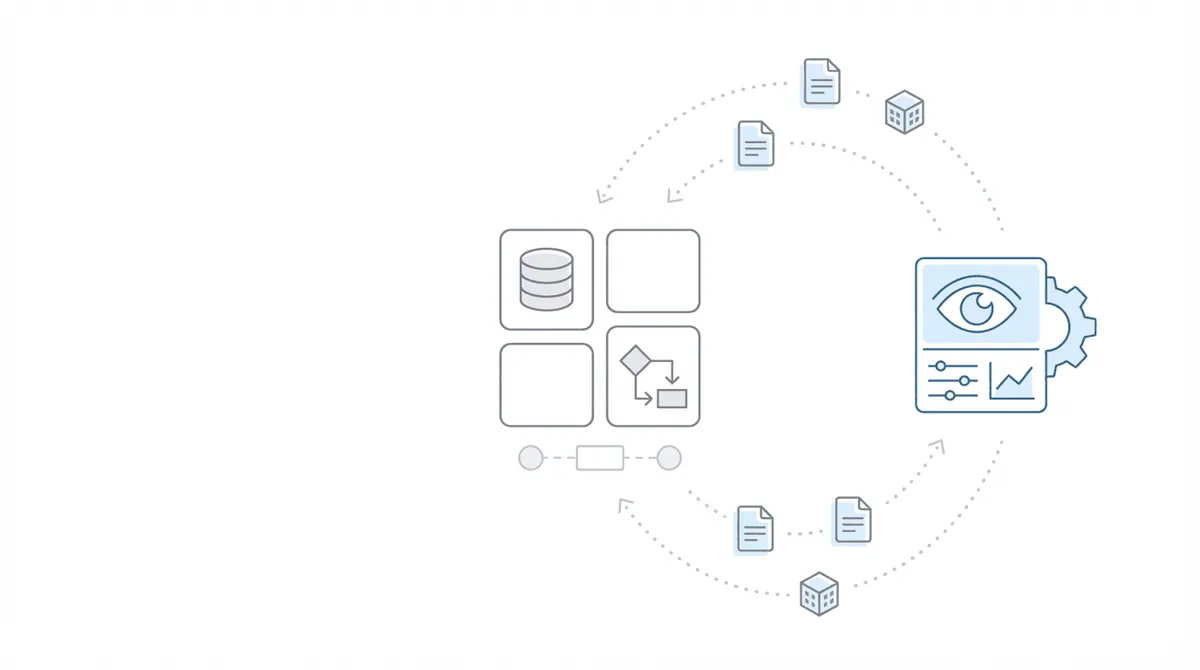
Before comparing specific alternatives, clarify what actually matters for your practice. Not all features carry equal weight.
ERE monitoring frequency and reliability: how often does the system check the ERE? Daily? Every few hours? What happens during SSA portal outages? The difference between catching a notice same-day versus three days later compounds quickly across hundreds of cases.
SSA deadline tracking: missed deadlines create malpractice exposure. Any system you adopt should surface deadline-critical notices automatically. You shouldn’t have to search manually through a document list, hoping you spot the one that matters.
Integration with existing tools: if you’re already running a case management system, you probably don’t want to abandon it. Look for solutions that push documents and updates into your existing workflow rather than requiring a parallel system.
Virtual mailroom capabilities: physical SSA mail still arrives. Someone has to scan it, organize it, route it into case files. That takes time every day. Some solutions handle this automatically; others assume you’ll manage it separately.
Implementation and training time: complex platforms require complex onboarding. If your staff is already stretched, a system that takes weeks to learn may not be practical, even if the features look impressive on paper.
Pricing transparency: ask about per-user versus per-case pricing, setup fees, and what happens if you need to scale up or down.
Top Assure Disability Alternatives Compared
The table below summarizes the main alternatives, followed by more detailed notes on each.
| Solution | Best For | ERE Monitoring | Approach | Notable Strength |
|---|---|---|---|---|
| Chronicle | Firms needing full-lifecycle operations alongside existing CMS | Every 2 hours, all case stages | Full-lifecycle operations platform | Zero missed deadlines reported by clients |
| Prevail | Firms wanting full SSD case management | Via Atlasware | Complete CMS platform | Established SSD focus, forms library |
| SmartAdvocate | Multi-practice firms needing cross-case visibility | Available | Full case management | 175+ integrations |
| CloudLex | Firms prioritizing modern UI and security | Limited | Cloud-native platform | Azure security, mobile access |
| Dibcase | Budget-conscious solo/small practices | Via Chronicle | SSD-specific CMS | Affordable, AI features |
Chronicle
Chronicle is a full-lifecycle SSD operations platform built specifically for Social Security disability law firms. The suite includes ERE monitoring, virtual mailroom, medical chronology, and hearing prep tools—covering cases from initial application through post-hearing.
Chronicle checks the ERE automatically every two hours across every case stage. When SSA portal outages occur, those checks continue in the background, and documents are captured as soon as access returns. This removes the manual login burden that consumes paralegal time and introduces risk when someone forgets to check.
Documents flow through a virtual mailroom. SSA correspondence, medical records, notices. Everything routes into your existing case management system. Chronicle integrates directly with Clio, Filevine, MyCase, and Litify, plus Zapier for other platforms. Firms don’t need to migrate. Chronicle sits alongside what you already have.
Results from firms using Chronicle show measurable impact:
- Ficek Law reported 67% year-over-year revenue growth after implementation, with 10-20 hours saved weekly and zero missed deadlines since adopting the system.
- The Disability Champions scaled from 900 to over 3,000 active cases without adding proportional staff, maintaining quality while tripling caseload capacity.
Chronicle is trusted by 100+ disability practices nationwide. For firms that need full-lifecycle operations without rebuilding their entire workflow, it provides the operational visibility that hearing-centric tools don’t offer.
Prevail
Prevail has operated in the disability law space for years and was acquired by Assure Disability in 2023. The platform provides complete case management with SSA-specific workflows, a forms library, and integrated deadline tracking. ERE integration comes through Atlasware.
Firms that want a single system handling everything from intake through hearing prep often find Prevail suitable. The depth of SSD-specific features reflects the company’s long focus on this practice area. Prevail connects to Assure’s other services, though it’s a separate product (not bundled with Assure).
The tradeoff is complexity and ecosystem commitment. Smaller practices may find more capability than they need. Firms with established case management systems face the migration question: do the additional features justify the transition cost?
SmartAdvocate
SmartAdvocate markets itself as case management for plaintiff firms broadly, with disability law as one supported practice area. The platform emphasizes integrations, over 175 by their count, and cross-case visibility that helps larger firms track patterns across their portfolio.
Deadline automation and document management are available. The system works for firms handling SSD alongside other practice areas.
Because SmartAdvocate isn’t SSD-exclusive, some disability-specific workflows may require more configuration. Firms focused purely on Social Security work sometimes prefer platforms built specifically for that purpose.
CloudLex
CloudLex runs on Azure infrastructure and emphasizes security and compliance. The interface feels more modern than some legacy legal platforms, and mobile apps extend access outside the office.
For disability practices, CloudLex offers general case management capabilities without deep SSD-specific tooling. ERE integration is less prominent than in purpose-built disability software.
Firms that prioritize platform security and want a cloud-native system may find CloudLex appealing. Those needing robust ERE monitoring may need to supplement it with additional tools.
Dibcase
Dibcase targets smaller disability practices with more affordable pricing. The platform includes SSD-specific templates, ChatGPT integration for document drafting, and basic ERE connectivity.
For solo practitioners or small firms watching costs closely, Dibcase offers a lower entry point than enterprise-focused alternatives. The tradeoff is scale. Larger firms may outgrow the platform as caseloads increase.
How to Evaluate and Switch Solutions

Finding the right alternative takes more than reading comparison articles. A structured evaluation process protects against buyer’s remorse.
1. Define what’s actually broken: start with the specific problems you need solved. Is it ERE monitoring reliability? Integration with your existing CMS? Document organization? Cost? Knowing your priorities prevents getting distracted by features that don’t matter for your practice.
2. Request demos with real scenarios: generic demo scripts show software at its best. Ask to see how the system handles situations you actually encounter: an ERE outage, a deadline notice arriving after hours, a case with hundreds of pages of medical records. Watch how your staff would interact with the interface daily.
3. Ask about data migration: if you’re leaving one system for another, understand what transfers and what doesn’t. How long does migration take? Who handles it? What’s the risk of data loss during transition?
4. Clarify integration requirements: if you’re keeping your current case management system, verify that the alternative actually integrates. “Integration” can mean anything from a basic API to full bidirectional sync. Get specifics.
5. Run a meaningful trial: most vendors offer trial periods. Don’t just sign up and forget. Run 10-20 real cases through the system. Involve your staff. See where friction appears before committing.
6. Calculate total cost of ownership: per-seat pricing looks different at 3 users versus 15. Setup fees, training costs, and the productivity lost during transition all factor in.
Frequently Asked Questions
Can I use Chronicle alongside my current case management system?
That’s the core design. Chronicle complements existing platforms rather than replacing them. Documents and updates flow into your CMS through integrations with Clio, MyCase, Filevine, and others. You don’t need to change how your firm operates day-to-day.
How does automated ERE monitoring work?
Chronicle connects securely to the SSA’s Electronic Records Express portal and checks for new documents, notices, and updates every two hours. When new items appear, they’re downloaded, categorized, and routed to the appropriate case file automatically. Your staff don’t need to log in manually or wonder whether something arrived overnight.
What happens if the SSA portal goes down?
SSA outages happen regularly. Chronicle continues attempting to check the portal during outages and captures any documents posted as soon as access returns. You don’t need to manually recheck after every SSA disruption.
How long does implementation take?
Most firms complete initial setup in a single 15-minute call. A typical trial runs 1-2 weeks with 10-20 cases to verify the workflow. Full staff training takes about 30 minutes. Unlike full case management migrations, there’s no extended transition period.
Does switching from Assure Disability require migrating all my data?
That depends on which alternative you choose. Solutions like Chronicle don’t require data migration because they operate alongside your existing systems. Full case management platforms typically require migration, which adds complexity and time.
Making the Right Choice
The best alternative to Assure Disability depends entirely on what your practice needs.
For complete case management built for disability law, Prevail and SmartAdvocate offer comprehensive options. For modern infrastructure and security, CloudLex has strengths there. For budget constraints, Dibcase provides an affordable entry point.
But many firms exploring alternatives aren’t looking to replace their entire system. They need full-lifecycle operations: continuous ERE visibility, virtual mailroom, medical chronology—tools that work at every case stage, not just as hearings approach.
Chronicle addresses that gap. We monitor the ERE every two hours from initial application through post-hearing, handle SSA mail through a virtual mailroom, and integrate with Clio, Filevine, MyCase, and Litify. No migration required. No months of retraining.
Disability firms that systematize their SSA workflows operate with less friction, fewer surprises, and more confidence at every case stage.
Ready to see how full-lifecycle operations work in practice? Start a free trial with Chronicle and run 10-20 cases through the system. Most firms see the difference within the first week.