

Social Security disability practices have operated on manual workflows for decades. While other legal verticals modernized, SSD firms kept logging into the ERE by hand, relying on paper mail to learn about case updates, and scaling operations by adding headcount instead of systems.
Chronicle exists because that was overdue for a real solution. Today, more than 150 SSD firms run their ERE monitoring on Chronicle.
This is the story of why we built it.
A Space That Was Ignored for Too Long
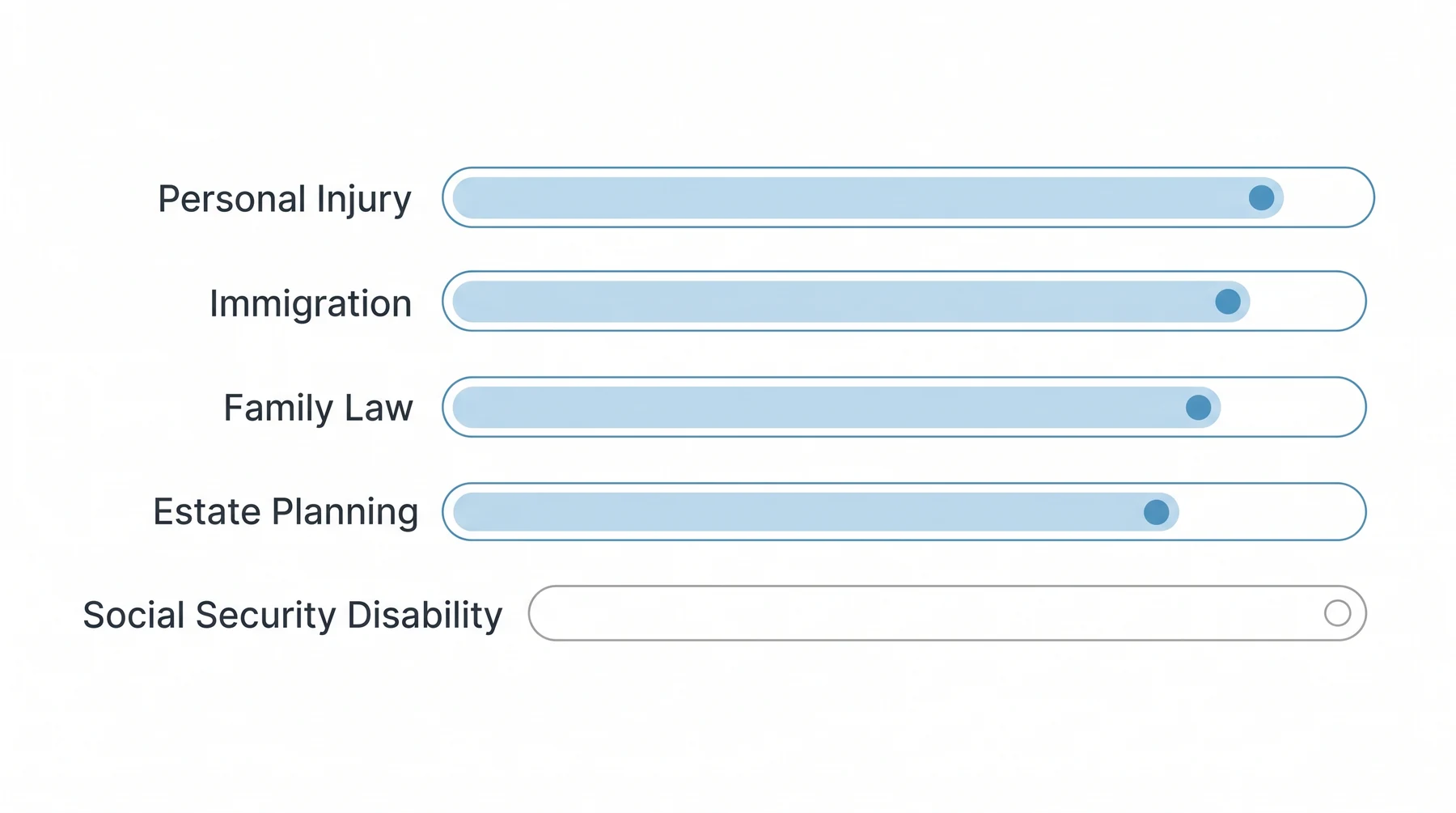
The Social Security disability practice area sits in an unusual position. Highly specialized. Deeply regulated. Operationally intensive. Firms manage hundreds or thousands of cases moving through distinct stages: initial application, reconsideration, hearing, Appeals Council, federal court. Each stage has its own deadlines, document requirements, and SSA touchpoints.
The SSA’s ERE portal contains everything: case status, hearing schedules, notices, questionnaires, uploaded evidence, the full e-file. It is the source of truth for what is actually happening on a case.
But for years, checking that source of truth was entirely manual.
Staff logged in multiple times per day. They passed 2FA codes between team members. They downloaded status sheets, cross-referenced them with internal systems, and hoped nothing slipped through. If you are not checking the ERE frequently, you are effectively relying on physical mail to learn about SSA activity. And mail arrives late. Sometimes days late. Sometimes after the client has already called to tell you about their decision.
Manual ERE monitoring fails quietly. The problem is not the login itself; it is the lack of an audit trail for what was checked and when. There is no way to know if someone missed a document until the consequences show up downstream: a scrambled response to a notice, a missed deadline, a client who knew about their denial before the firm did.
Generic legal tech platforms never solved this. They were built for broader markets. SSD-specific workflows were an afterthought if they existed at all. Hearing prep tools existed, but they optimized for a narrow window before hearings, not the full case lifecycle. The ERE’s authentication complexity (BSO logins, rotating 2FA codes, session timeouts) discouraged anyone from building real automation.
The result: firms scaled by adding bodies, not systems. More cases meant more paralegals checking the same portal the same way. The operational ceiling was set by how many people you could hire and train to do repetitive manual work.
What Chronicle Does Differently
Chronicle is an SSD ERE monitoring and analysis platform. It checks the SSA’s ERE and e-file daily for every monitored case, then surfaces what changed so teams can act on it.
That daily frequency matters. Most ERE-adjacent tools check on a schedule tied to hearings: a few pulls in the weeks before a hearing date. Chronicle monitors continuously, across all case stages. Initial applications. Reconsiderations. Hearings. Post-hearing updates. The visibility is not episodic. It is constant.
Chronicle is also CMS-agnostic. It works with Clio, Filevine, MyCase, Litify, or no CMS at all, with native integrations that sync case data into Clio, Filevine, and Litify automatically. Chronicle monitors the ERE; your CMS manages tasks and firm execution. They are complementary, not competing. You do not have to rip out your existing systems to get ERE visibility.
The firms that run on Chronicle describe it in operational terms. At Disability Attorney Services LLC, the feedback was direct: “If we took Chronicle off the table, there would be a small revolution. All the staff people love using it.”
That reaction is not about features. It is about what happens when monitoring stops being a daily burden and starts being infrastructure that runs in the background.
Three Years of Building
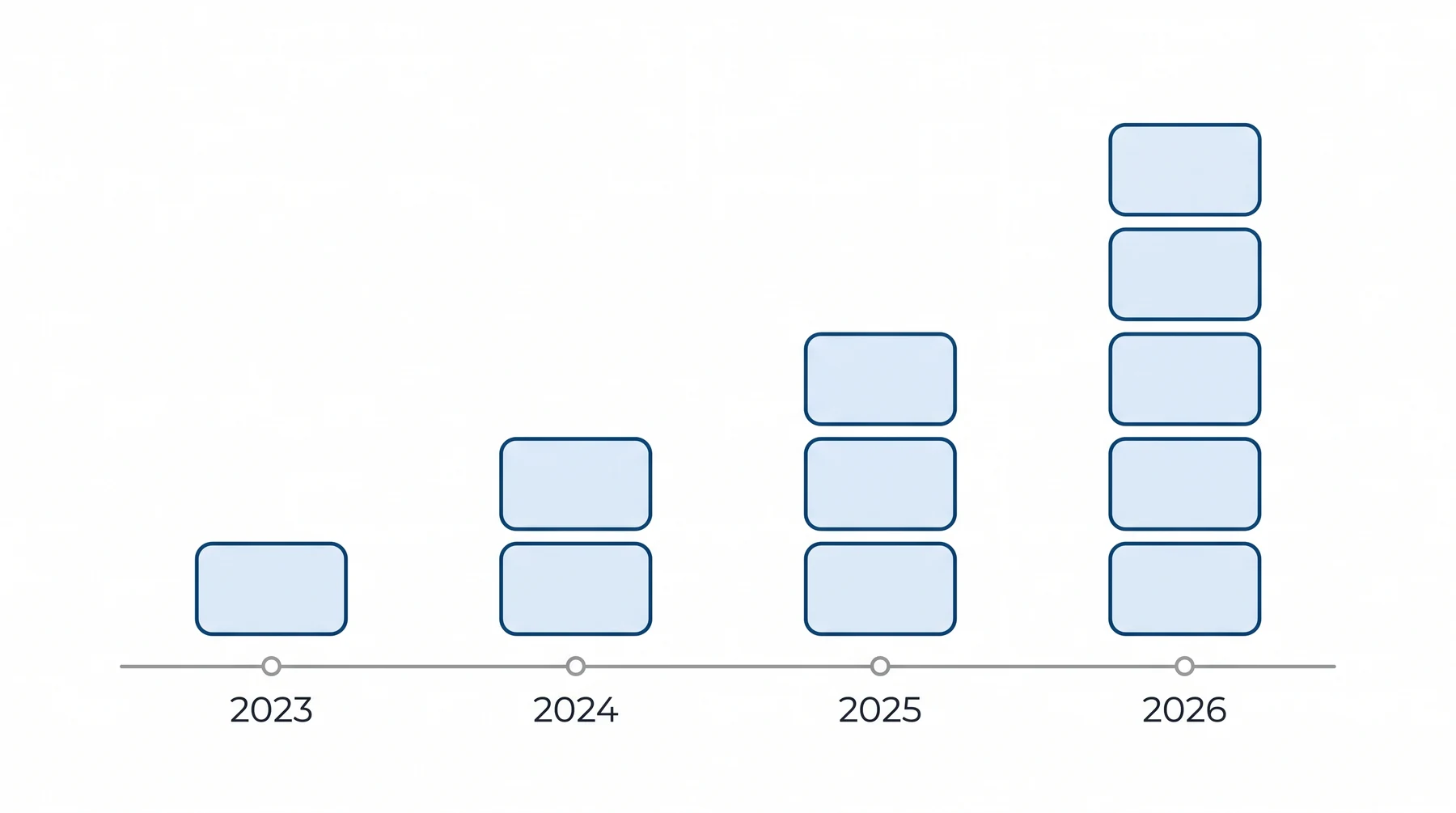
Chronicle was founded in 2023. The initial product was straightforward: automated ERE monitoring that checked cases daily and surfaced changes.
Since then, we have shipped continuously. The 2025 year in review captures the pace. Platform adoption crossed 150 SSD firms, and more than 2,800 disability professionals now use Chronicle. DDE Decision Detection now identifies initial and reconsideration decisions in real time with 99% AI extraction accuracy, so firms know about decisions before the mail arrives.
Medical summaries came through our Dododetect collaboration: impairment-specific chronologies that organize records by condition, not just date. The LexMed AC Briefs integration saves firms 4-6 hours per case on appellate work. Salesforce and Litify bidirectional sync is now in beta. Open API and webhooks are available for firms that want custom automation.
We added beta support for AARPS (the SSA’s newer Appeals and Appointed Representative Processing Services portal) including fee payment tracking. ERE monitoring throughput increased 5X. Faster checks, higher volume, better stability for large firms.
The first half of 2026 added six integrations: Litify, SuperInsight, Benny, Clio, Filevine, and LexMed. The Clio and Filevine integrations are now native: Chronicle syncs matter stages, hearing dates, and ERE documents directly into the system your firm already runs on. The summer launch recap walks through all six.
This is not a feature list for its own sake. It is evidence of sustained investment in a space that was ignored for years. Every release came from conversations with firms about what was actually failing in their workflows.
The Space Had No Room to Talk to Itself
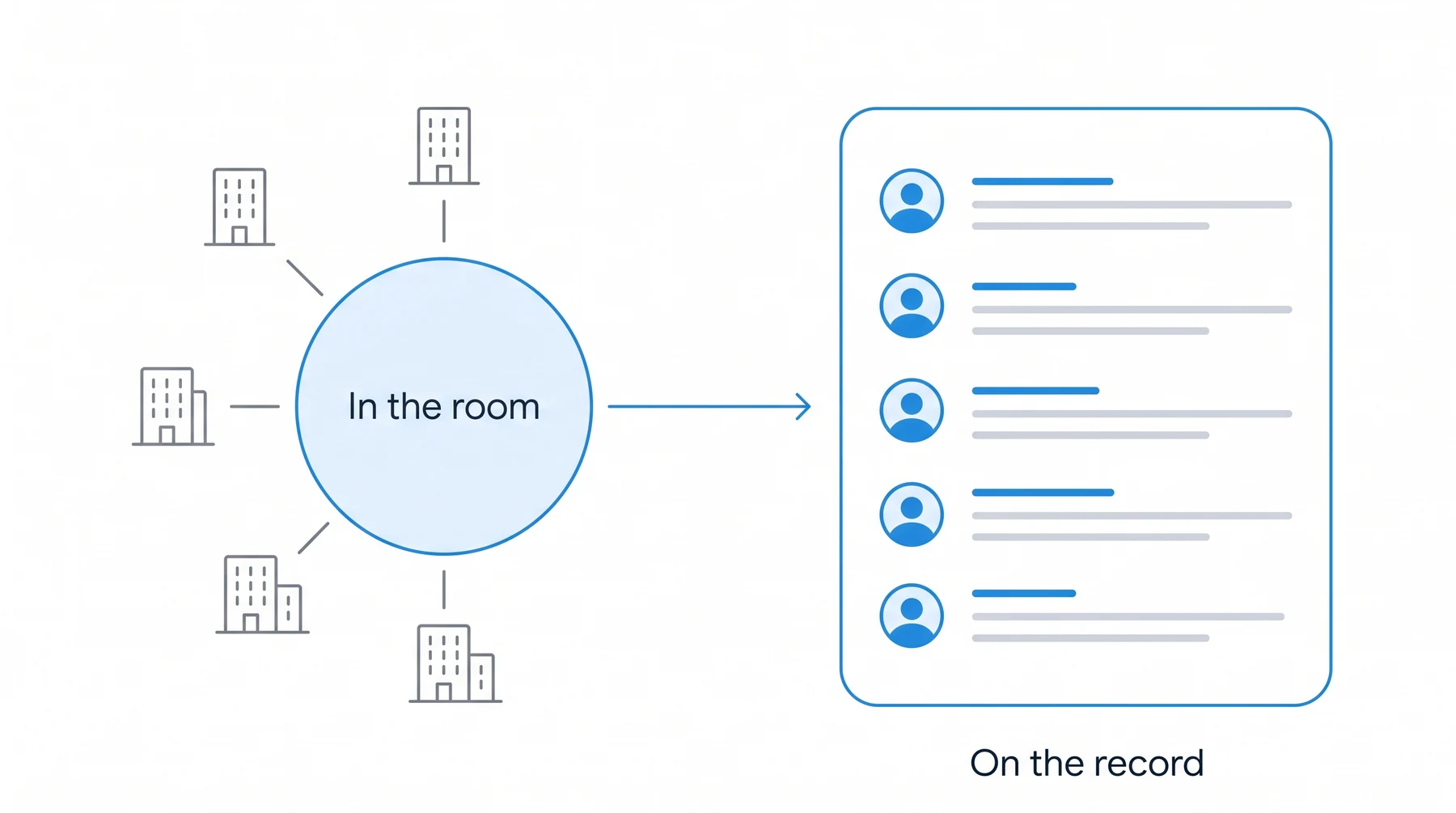
The neglect was not only technological. It was also that SSD practitioners had almost nowhere to compare notes.
Ask a disability attorney how another firm handles reconsideration triage, or what large firms actually do with AI, or how anyone staffs client communication at volume, and the honest answer for years was that you found out at a conference, assuming you happened to be standing in the right hallway conversation. Which meant the best operational thinking in this practice area stayed invisible. Firms were solving genuinely hard problems and nobody outside their own office ever knew.
So we built the rooms. Disability Peers in Practice is a monthly virtual roundtable where SSD practitioners work through real operational problems together, running in separate small-firm and large-firm cohorts so the conversation stays useful. Advancing Technology in Disability Law is our workshop series, bringing operators, marketers, and technologists together on the specific tools and workflows firms are evaluating. And Disability Heroes is our podcast, where one practitioner gets a full episode on how they built their practice and why they do this work.
What happens afterward matters just as much. Every session gets written up and published on this blog, credited to the practitioners who did the thinking. The people solving these problems are the firms themselves. A case manager who has worked out how to run reconsideration triage at volume has built something worth knowing about.
This work matters to us as much as the product does. As Nikhil put it during our summer launch session: “This isn’t just about Chronicle, it’s about the community around disability technology.” We are building software for this practice area, and we are building the community around it. Those are not separate projects. The questions practitioners raise in those rooms are the same ones that end up shaping what we build.
The Team
Chronicle was founded by Nikhil Pai. Before Chronicle, Nikhil spent seven years building Hearth, a Series B vertical SaaS company in the home improvement space. He knows what it takes to build software that operators rely on daily.
In 2023, conversations with SSD lawyers surfaced the gap. The technology to manage and review SSA evidence at scale did not exist. The ERE was manual. Deadlines were tracked on spreadsheets and sticky notes. Firms were stuck in reactive mode, learning about SSA activity after the fact instead of before.
That gap became Chronicle.
Will Yang joined as Head of Growth. Will co-founded Albert.io, an EdTech company where he grew from first account executive to Chief Revenue Officer over eight years. He then led Growth and Marketing at Instrumentl, another vertical SaaS company. At Chronicle he runs the community and education programs: the roundtables, the workshop series, and the recaps that come out of them.
Both come from vertical SaaS backgrounds. Software built for specific industries, not generic platforms adapted after the fact. Both spent careers in customer-facing roles, understanding operator problems firsthand. The education thread is not incidental either. Will spent eight years building a company premised on good teaching counting for more than the room it happens in.
At Anderson Marois & Associates, the managing partner described the difference: “Nikhil (Chronicle’s founder) wanted to listen. He didn’t just want to sell me something. He really wants to make our work better.”
What Comes Next
Chronicle will remain focused on Social Security disability. There is no pivot to “general legal tech” on the roadmap. The SSD space has enough unsolved problems to keep us building for years.
Near-term priorities include expanding AARPS monitoring as the SSA continues transitioning portals, deeper integrations with the case management systems firms already use, and continued investment in the AI capabilities that turn raw ERE data into actionable intelligence.
The community program continues on the same terms it started on. The roundtables stay monthly, the workshop series keeps running, and the recaps keep coming. The best operators in this space spent years building things quietly, and more of that deserves to be seen.
The firms that run on Chronicle are not just customers. They are the reason the product keeps improving. Every feature shipped in the last three years started with a firm describing a workflow that was failing.
The SSD space deserved better technology years ago. We are building it now.
Frequently Asked Questions
What is Chronicle?
Chronicle is an SSD ERE monitoring and analysis platform. It checks the SSA’s Evidence and Case Status portal (ERE) and e-file daily for each monitored case, then surfaces status changes, new documents, and upcoming deadlines so firms can act before problems escalate.
Does Chronicle replace my case management system?
No. Chronicle monitors the ERE. Your CMS manages tasks and firm execution. They serve different functions and work together. Chronicle is CMS-agnostic and integrates with Clio, Filevine, MyCase, Litify, and other platforms via API or Zapier.
How many firms use Chronicle?
More than 150 SSD firms currently run their ERE monitoring on Chronicle, across more than 2,800 disability professionals. They range from solo practitioners to high-volume operations with thousands of active cases.
Does Chronicle run events for disability practitioners?
Yes. Disability Peers in Practice is a monthly virtual roundtable where SSD practitioners work through operational problems together, running in separate small-firm and large-firm cohorts. Advancing Technology in Disability Law is a workshop series covering the tools and workflows firms are evaluating. Both are open to the disability community, and every session is written up and published free on the Chronicle blog. Upcoming sessions are listed on the events calendar.
When was Chronicle founded?
Chronicle was founded in 2023 by Nikhil Pai, who previously spent seven years building Hearth, a Series B vertical SaaS company. The platform has shipped continuously since launch, with major capability releases throughout 2024 and 2025.
Ready to see how Chronicle handles ERE monitoring for your firm? Book a demo to see the platform in action.