
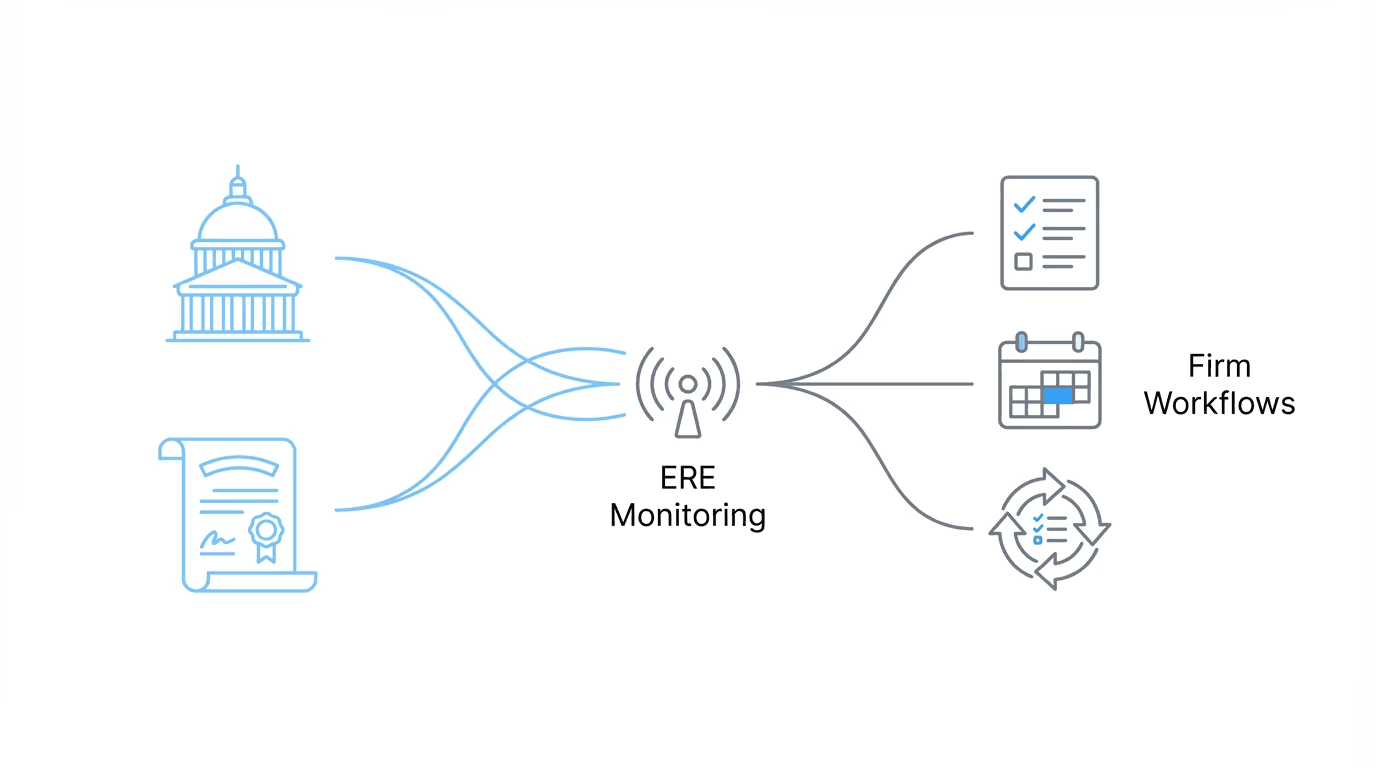
ERE monitoring and case management software solve different problems. One tracks what’s happening at the SSA. The other tracks what’s happening at your firm. Disability law practices need both, and the distinction matters more than most firms realize when they’re evaluating their tech stack.
The confusion is understandable. When a CMS vendor says their platform handles “everything,” it’s easy to assume that includes SSA visibility. It doesn’t. ERE monitoring tools offer integrations with your CMS, which can blur the line. But these are complementary categories, not competing products.
The Core Distinction
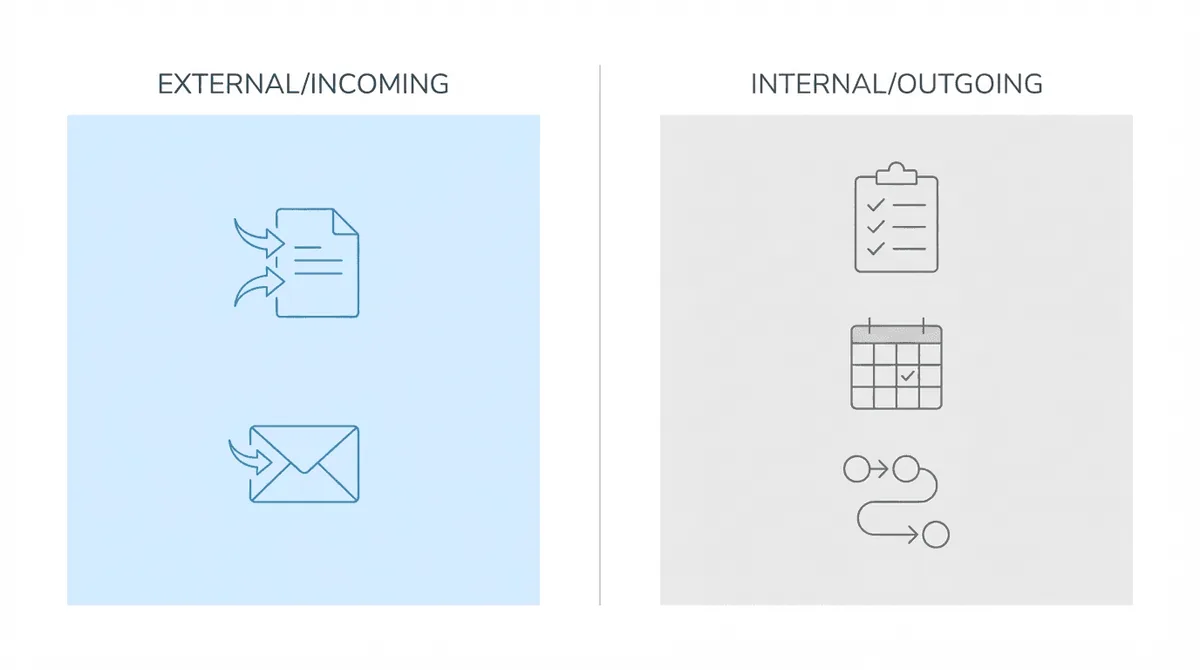
ERE monitoring answers: What changed at the SSA today?
Case management software answers: What work should our firm do?
Both questions matter. Neither tool answers both.
| Function | ERE Monitoring | Case Management (CMS) |
|---|---|---|
| Primary purpose | SSA visibility | Firm workflow management |
| Data source | SSA’s ERE portal and e-file | Internal firm records |
| Answers the question | ”What happened at SSA?" | "What tasks need done?” |
| Updates from | External (SSA) | Internal (staff) |
| Examples | Chronicle, Assure | Prevail, Clio, Filevine |
The ERE (Evidence and Case Status portal) is the SSA’s official portal for disability cases. Status updates, hearing scheduling, notices, questionnaires, the full e-file. That’s the source of truth for what the SSA is doing on any given case.
A CMS tracks what your firm is doing. Tasks, notes, contacts, deadlines, internal workflows. It’s your system of record for firm operations.
Neither replaces the other.
What ERE Monitoring Software Does
ERE monitoring automates the process of checking the SSA’s portal for activity. Without it, someone at your firm logs into the ERE manually, case by case, to see if anything changed.
At Martin, Jones & Piemonte, staff estimated spending “five or six hours per week per paralegal” just checking the ERE. The Law Office of Nancy L. Cavey had it worse: “Each paralegal was probably spending 15 to 20 hours per week in the ERE.”
That time adds up. But the real problem isn’t the hours. Manual checking fails quietly. It’s the lack of an audit trail for what was checked and when that creates risk.
ERE monitoring software handles several core functions. Document arrival detection surfaces new exhibits, medical records, or SSA correspondence the day they post to the e-file, not when mail arrives a week later. Status change alerts catch hearing schedules, denials, and case closures before the client calls to ask why they got a letter. Questionnaire and notice tracking flags SSA forms with deadlines, catching them before those deadlines become problems.
Hearing scheduling visibility rounds out the picture. Knowing when a hearing is scheduled (and in what format) lets you plan prep work. Waiting for mail to confirm what you should already know wastes time that compounds across cases.
The common thread: ERE monitoring provides visibility into SSA activity that your firm can’t get from its own records.
What Case Management Software Does
A CMS is your firm’s operating system. It tracks work, not SSA activity.
Most disability law firms use a CMS to manage tasks and deadlines, matter information like client details and case notes, internal workflows from intake through hearing prep, and operational reporting on case counts and staff productivity.
Prevail is the dominant CMS in Social Security disability practice. Clio, Filevine, and MyCase are common alternatives, especially for firms that also handle other practice areas. The specific system matters less than having one at all; firms above 150 active cases rarely survive on spreadsheets.
A CMS tells you what your firm knows and what your firm is doing. It doesn’t tell you what the SSA is doing. The SSA doesn’t update your CMS.
Why SSD Firms Need Both
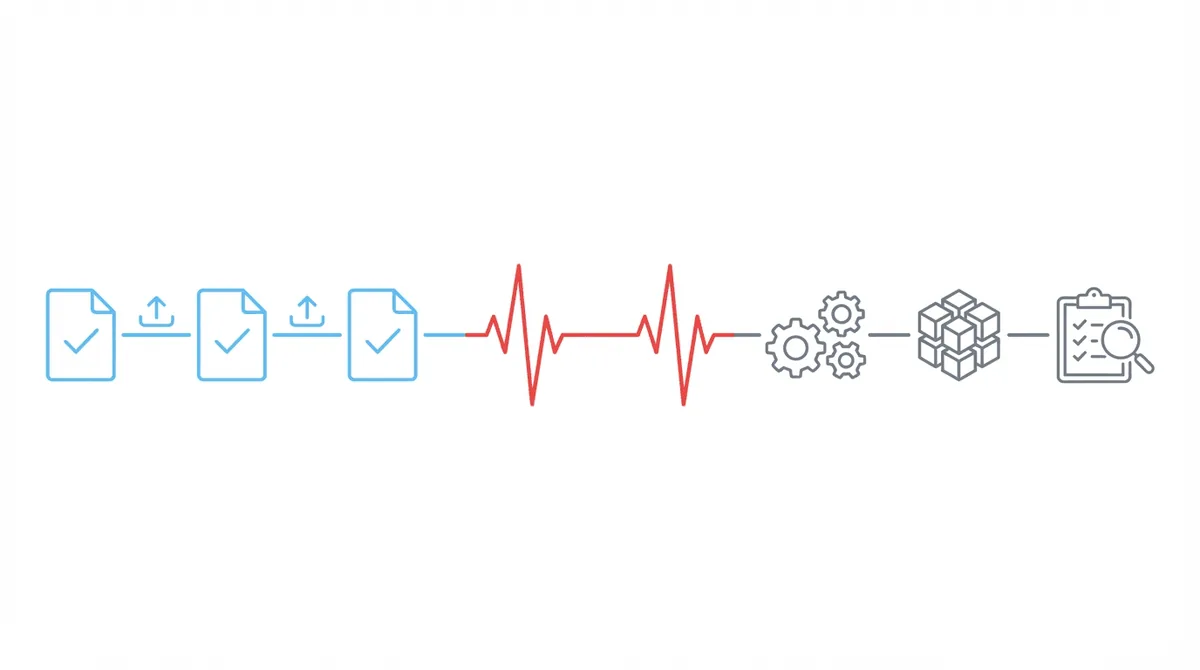
Here’s where the gap shows up.
Your CMS is only as current as the information you put into it. If the SSA schedules a hearing and you don’t know until the notice arrives by mail, your CMS doesn’t reflect reality until someone manually updates it. The lag between SSA action and firm awareness creates the problem.
If you aren’t checking the ERE frequently, you’re effectively relying on physical mail to learn about SSA activity. That creates real risk.
Mail delays turn into scrambles. A 10-day deadline on a notice that arrives on day 8 leaves no margin. Hearing scheduled three weeks out, notice shows up two weeks in. This happens more often than firms like to admit.
Information gaps create blind spots. The SSA posts documents to the e-file that never generate mailed correspondence. Without ERE monitoring, those documents exist without your knowledge. Staff respond to what they know about. If they don’t know the SSA acted, they can’t act in response.
The failure mode isn’t dramatic. Cases don’t blow up because of one missed document. They erode because the firm’s picture of reality lags behind what’s actually happening at the SSA.
ERE monitoring closes that gap. It checks the SSA portal daily, detects changes, and surfaces what matters. Your CMS then reflects accurate information.
How Chronicle Fits With Your Existing CMS
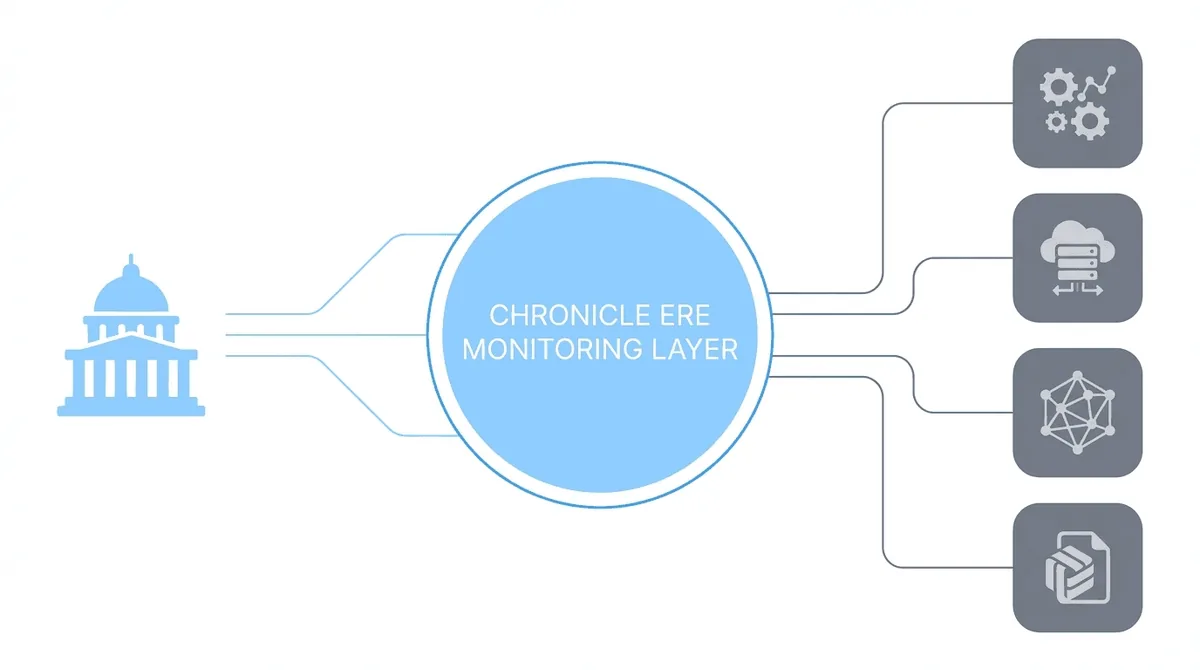
Chronicle is an ERE monitoring platform. It is not a CMS.
Chronicle checks the ERE and e-file daily for each monitored case. It detects new documents, status changes, hearing events, and notices. Then it surfaces what changed so your team can act. The design decision that matters most: Chronicle is CMS-agnostic. It works with Clio, Filevine, MyCase, Litify, or any system with an API via Zapier. It also works if you don’t use a CMS at all.
At The Disability Champions, staff use Chronicle daily alongside their CMS. Chronicle handles the SSA visibility; the CMS handles firm workflows. The two systems complement each other.
William Viner of Viner Disability Law built automations via Zapier integrating Chronicle with Clio. When Chronicle detects activity, it triggers workflows in the CMS. The integration point is clear: Chronicle watches the SSA, Clio manages the work.
This matters for firms worried about switching costs. You don’t replace your CMS with Chronicle. You add Chronicle as a monitoring layer that makes your existing CMS more accurate. Chronicle ensures your CMS and team are always aligned with what the SSA is actually doing. Without that alignment, your internal records drift from reality.
Here’s Chronicle in about a minute:
Chronicle vs. Assure: A Common Question
Assure is also in the ERE monitoring space, but with a different focus.
Assure is optimized for hearing prep. Strong for exhibit review and pre-hearing workflows. Chronicle supports the full SSD lifecycle: initial, reconsideration, hearing, and post-hearing updates.
The primary difference is coverage. If your firm primarily needs hearing-stage visibility, Assure may work. If you need continuous monitoring across every case stage, Chronicle’s daily checks and full-lifecycle design address a broader set of needs.
Both platforms monitor the ERE. The question is which monitoring frequency and lifecycle coverage matches your firm’s operations.
Frequently Asked Questions
Do I need ERE monitoring if I have Prevail?
Yes. Prevail manages your firm’s workflows and records; it doesn’t automatically check the SSA’s ERE portal for updates. Without ERE monitoring, you’re relying on manual checks or mail to learn about SSA activity. ERE monitoring software like Chronicle automates that visibility and keeps Prevail’s data current.
Can Chronicle replace my CMS?
No. Chronicle monitors the ERE; it doesn’t manage tasks, contacts, or internal workflows. You still need a CMS for firm operations. Chronicle and your CMS work together: Chronicle provides SSA visibility, your CMS handles work management.
What’s the difference between Chronicle and Assure?
Both monitor the ERE. Assure is optimized for hearing prep; Chronicle covers the full SSD lifecycle. Chronicle checks the ERE daily across all monitored cases at every stage. Assure’s model is more focused on hearing-stage workflows. The question is which coverage model fits your firm.
How do the two systems work together?
Chronicle detects SSA activity and surfaces changes. That information flows into your CMS through secure integrations (native connections for Clio, Filevine, MyCase; Zapier for others). Staff see Chronicle alerts, update the CMS, and work tasks from accurate information. The integration point is data flow, not system replacement.
Is this just about saving time on ERE checks?
Partly. Firms report saving hours per paralegal per week. But the deeper value is accuracy. Manual ERE checks fail quietly. You don’t know what you missed. Automated monitoring catches everything and creates an audit trail. Time savings follow from reliable visibility.
The Bottom Line
ERE monitoring and case management software are complementary categories. One gives you visibility into SSA activity. The other helps you manage your firm’s response to that activity.
If your firm relies on manual ERE checks or waits for mail to learn about SSA activity, that’s the gap ERE monitoring closes. Chronicle checks the ERE daily, surfaces what changed, and integrates with whatever CMS you already use.
The question isn’t whether to choose ERE monitoring or a CMS. It’s whether your current setup gives you both.