
On July 29, 2026, Chronicle hosted Laura E. Kennedy for a workshop on a question most growing disability firms answer wrong: when the work starts falling behind, what actually needs fixing?
The default answer is people. Hire another case manager, add a paralegal, spread the load. Laura’s argument across the hour is that this fails more often than it works, because in a Social Security disability practice the constraint is rarely effort. It is the design of the systems that effort runs through.
Laura is CEO and Co-Founder of Circle Management Group. She has spent more than 25 years in legal technology and has consulted for over 5,000 law firms, and she built this session specifically for disability practices rather than adapting a generic law firm talk. Chronicle founder Nikhil Pai joined throughout to add what the same problems look like from the ERE and SSA side. Chronicle’s Will Yang hosted.
The session ran in three parts (Difference, Design, and Readiness) and closed with about seventeen minutes of live audience questions on mergers, staffing ratios, AI, and HIPAA exposure. You can catch the replay here:
Speakers:
- Laura E. Kennedy, CEO & Co-Founder, Circle Management Group (presenter). More than 25 years in legal technology, consultant to over 5,000 law firms, and creator of the Circle 360 System and Technology Strategy as a Service.
- Nikhil Pai, Founder, Chronicle. Chronicle is an ERE monitoring platform built for Social Security disability practices, monitoring more than 235,000 cases and 11.7 million SSA documents across 2,800+ disability professionals.
- Will Yang, Head of Growth, Chronicle (host). Will leads growth, events, and community at Chronicle, building educational resources and partnerships for disability law practices.
Key Takeaways
- Hiring does not equal capacity. Laura’s most direct line of the hour was that broken systems absorb new people without producing new throughput. A firm can hire against a design problem indefinitely and never scale.
- Disability practices are structurally different in five specific ways: work that moves outside the firm, evidence that keeps changing, fixed SSA-controlled stages, capped fees against high volume, and long cases for urgent clients. Generic law firm technology advice does not account for any of them.
- The gap that defines the practice area is reconciliation. Confirming what was sent, when it was sent, and what remains outstanding, continuously, between the firm’s record and the SSA’s.
- Fragmented systems work fine until they don’t. The tell is where continuity lives. If it lives in a staff member’s memory rather than in a system, the firm has a continuity problem disguised as staffing strength.
- Six questions tell you whether you are ready to scale. Mostly yes means a workable foundation. Mixed means growth is possible but will expose dependencies. Mostly no means realignment comes before scaling.
- AI belongs woven through the stack, not bolted onto the side of it. An orphaned AI tool becomes the thing nobody understands the point of. And on staffing, Laura was unambiguous: train your people to use it rather than replacing them with it.
- Readiness is a cycle, not an audit. The RISE framework (Recognize, Integrate, Strengthen, Evolve) is meant to be run repeatedly as the firm changes, because the target moves.
Scaling a practice is not a staffing plan, nor is it a software search. It is building a deliberate practice for scalability, to take on greater complexity and more cases without losing control of your practice.
Laura E. Kennedy
What Makes a Social Security Disability Practice Structurally Different?
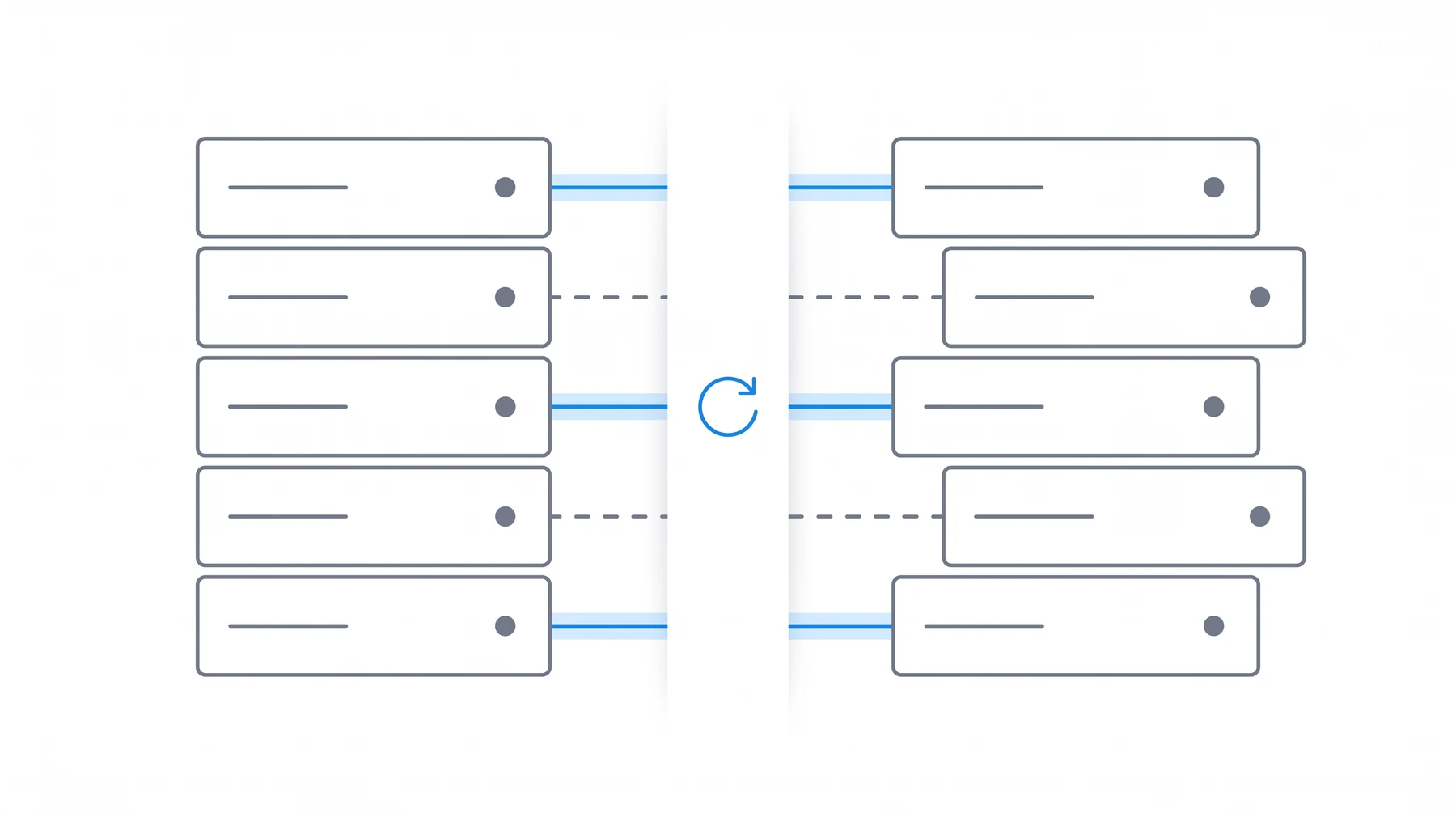
Laura opened Part 1 with the premise that clarity, her word of the day, starts with understanding what makes your practice area unlike any other. She named five differences.
A significant portion of the work happens outside the firm. Disability work moves through the Social Security ERE, and as Laura put it, because so much of what you have to process is not in your control, that is a big differential in designing your tech stack.
The evidence is living. Intake, medical development, evidence review, hearing prep. This is the part that happens inside the firm, that the team performs and can see. But medical documents are not static. They accumulate across time, across providers, across procedural stages.
The stages are fixed and externally controlled. ERE submission and status tracking are handled within the SSA. The firm has to stay in continuous communication with a process it does not set.
You deal in volume against capped fees. This is the economic constraint that makes everything else urgent. In a capped-fee model, efficiency is not an optimization. It is the mechanism by which the practice is profitable at all.
Cases are long, and clients are vulnerable. Multi-year timelines run against clients with an acute sense of urgency, plus governmental regulations the firm has to follow. Laura noted those two things can sometimes cause friction.
Underneath all five is the one that ties them together:
It is a constant state of reconciliation between confirming what was sent to them, when it was sent, what’s outstanding, what stage are we in, and making sure that every step of the way you’re in lockstep with the Social Security Administration.
Laura E. Kennedy
Nikhil added the moving-target dimension. The SSA changes, and the firm has to change with it:
Some years, for example, there’s a backlog in initial and recon, and so that’s the important part of your business to be focused on, or the hearing level. And those switches year to year that the SSA does affect how the firm needs to function.
Nikhil Pai
His summary of the structural condition: you’re all beholden to this behemoth, which is the SSA. Which is why, as Laura framed it, a technology strategy built for a personal injury firm or a family law practice does not transfer cleanly.
This is the same structural argument behind why fragmented marketing and operations limit SSD firm growth.
What Does a Fragmented System Actually Look Like?
Part 2 moved from diagnosis to design. Laura’s claim here is blunt: only connected systems scale.
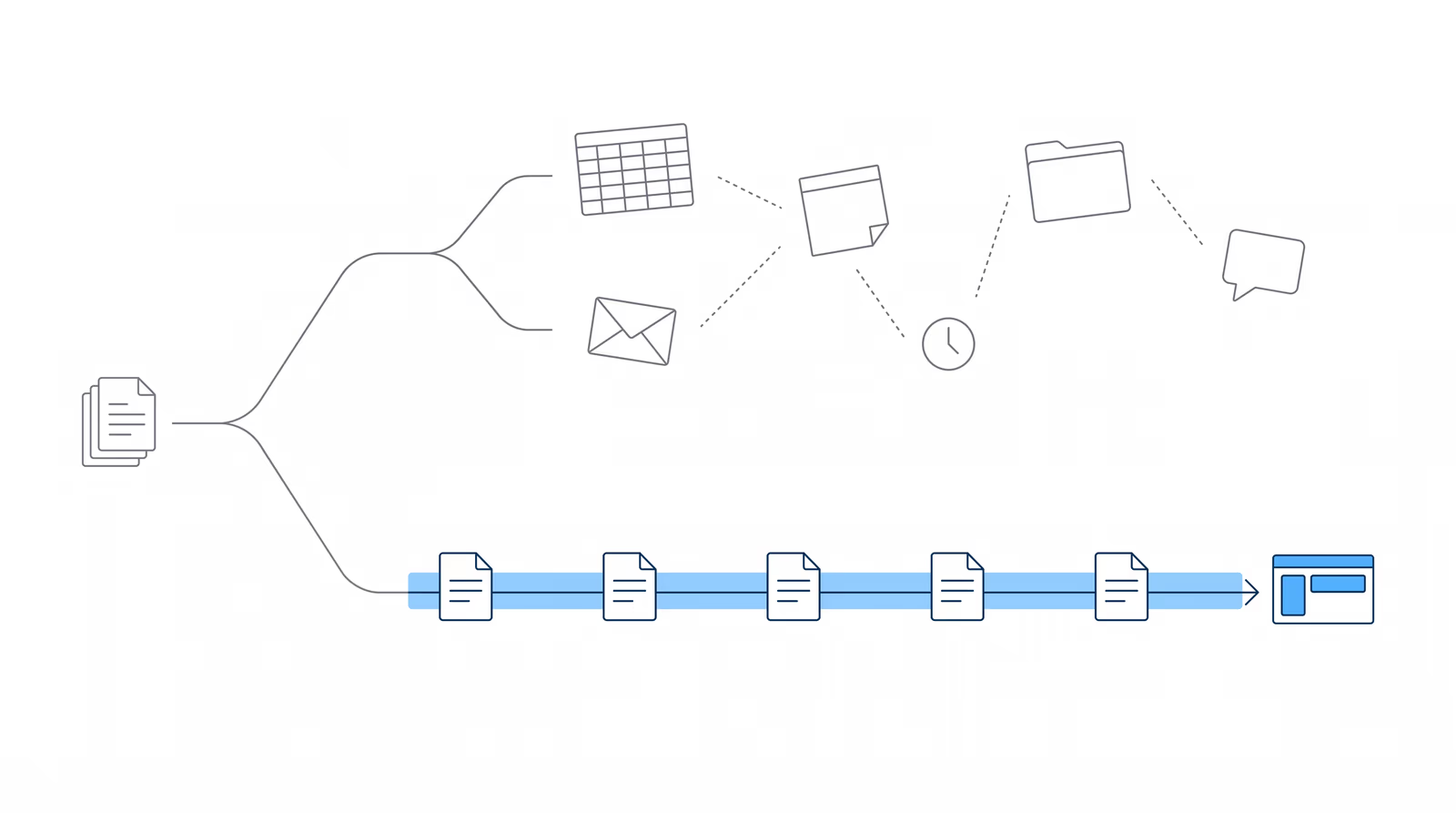
A fragmented system, in her description, has records saved in one system and maybe noted in another. The ERE tracked separately or by hand. No shared view of case status. And critically, the continuity lives in somebody’s mind, not in a system.
She walked a concrete example. A new record is saved in the case management system. Maybe it gets noted somewhere else. The person handling it knows where it stands, which feels fine, but:
The mind of that staff member is the only place where there’s continuity between what’s happening on the SSA side and what’s happening on the firm side.
Laura E. Kennedy
Her verdict on the fragmented model, as she put it: “It works fine if you’re a small firm, until it doesn’t work anymore.” That is the part firms tend to misread, because there is no warning. The system that carried the practice to 200 cases does not announce that it will not carry it to 400.
A connected system inverts the flow. One record comes in and triggers an entire process. Evidence is categorized and placed on a timeline. ERE submission readiness is built in. There is full case visibility in one place for everybody to view, ready for strategic review.
Same record. Completely different consequence.
What Is the ALPS Architecture?
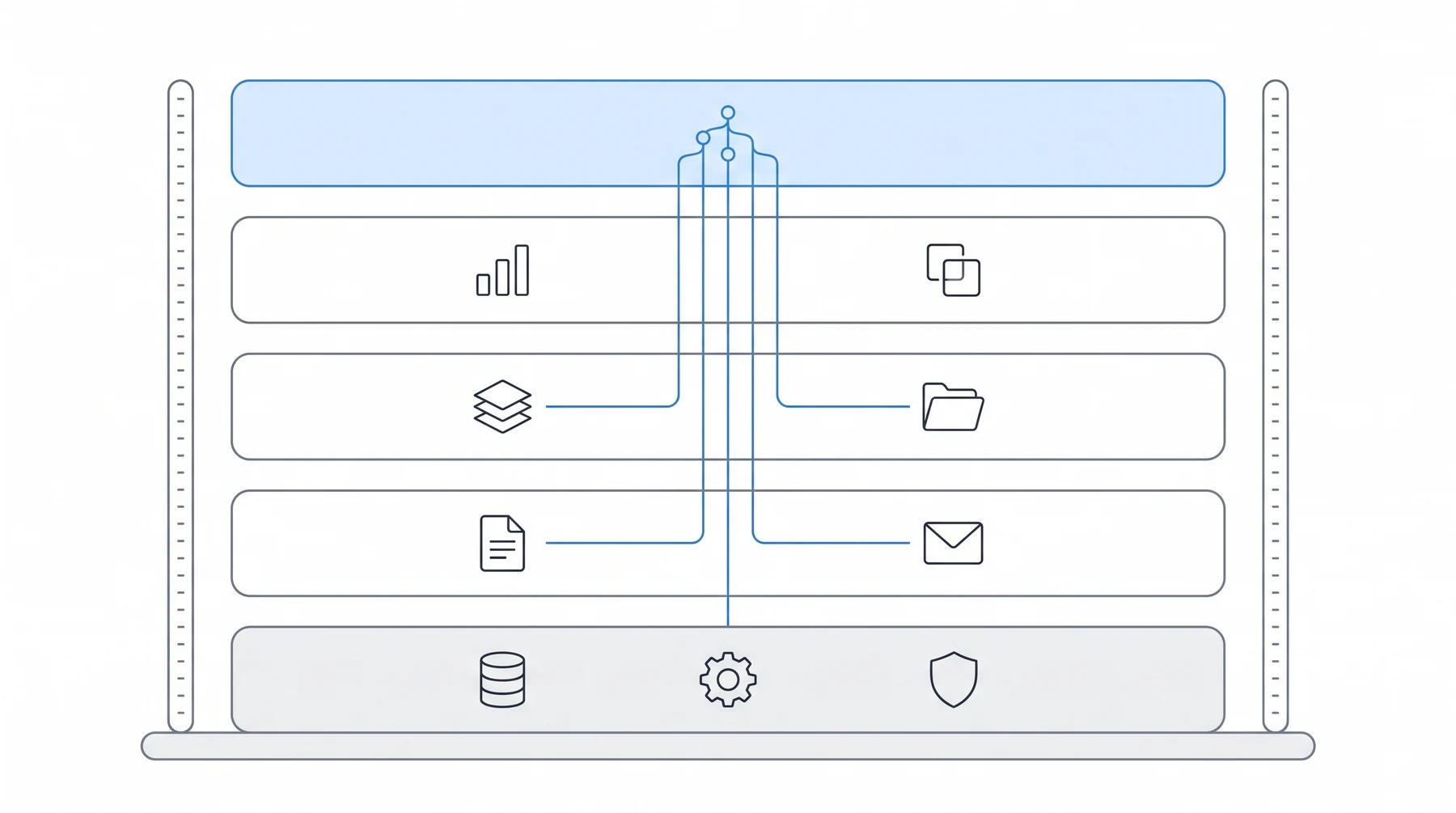
Laura’s framework for the connected system has a name: Adaptive Legal Practice Systems, or ALPS. It is a way of laying out a tech stack so a firm can see what it actually has, rather than arguing about individual tools.
She was careful to distinguish the question ALPS answers from the one it doesn’t. It is not about cloud versus servers. As she put it, it is what type of technology are you running that’s going to make a difference in your practice.
The layers, from the ground up:
- The core operational platform, the foundation
- Document management, collaboration, specialty practice tools, and the growth and marketing engine
- The client experience layer that all of the above feeds
- An AI layer connecting through the rest, driving insight, oversight, and analytics
And running vertically alongside all of it: security and compliance on one side, governance and policies on the other. Laura’s point about the guardrails is that they are not a final review step. They are structural, so the firm doesn’t let data and content run outside of those guardrails.
How Does ALPS Apply to a Disability Practice Specifically?
This is where the generic architecture gets specific. A disability firm’s systems have to do more than track cases. They have to reflect the Social Security Administration’s driven workflows. And if they can’t:
If the system that you’re building can’t model those phases clearly, then the firm will inevitably be rebuilding them in spreadsheets, in your email inboxes, and in some other capacity.
Laura E. Kennedy
That is Laura’s mechanism for how fragmentation happens. It is not carelessness. It is a rational response to a system that doesn’t model the work, and it produces data living in different places: spreadsheets, other databases, somebody’s email, somebody’s head, somebody’s notepad, somebody’s voice transcriber. All of which, she noted, are not helpful to a team of people.
Her sequencing advice was to fix the foundation first. A solid intake system, a solid case management system, a solid way to deal with the SSA stages and required docketing, and a way to manage revenue and financial position. If that foundation is rocky, everything above it wobbles and people start inventing workarounds. Take care of home base first.
Only then does evidence and knowledge management come into play, automating medical evidence across time, providers, and procedural stages. This is where she placed Chronicle in the architecture, and the distinction she drew was about context rather than storage:
You can store documents anywhere you want, but the context is what separates a program like Chronicle from Dropbox or Box or something like that.
Laura E. Kennedy
Structured as an organized, categorized timeline with context, the records let attorneys and staff gain a dynamic view of the case that aligns with how decisions are actually made. And that is what begins to close the reconciliation gap she opened Part 1 with.
If the ERE-monitoring-versus-case-management distinction is new to you, we’ve written about where each category starts and stops, and about the three kinds of software every disability firm needs.
Where Does the Pressure Build?
Laura’s structural answer: at the seam between the firm and the SSA.
That pressure between what’s happening in the firm and what’s happening at the Social Security Administration and their records is where the pressure builds, and that’s where your tech stack can either help you scale, or it will start to become super wobbly.
Laura E. Kennedy
Her warning about timing is the part worth sitting with. That pressure usually will happen and blow itself up probably at the wrong moment, which is to say, not on a quiet Tuesday, but during a growth push or a hearing surge, when the firm has the least slack to absorb it.
Relieve that pressure and the downstream effects compound in the other direction. Clients get answers faster. Staff aren’t sifting through folder files or Windows Explorer to answer a status question. The firm feels more productive because it is, and clients feel like you are really on top of their case.
Should AI Be Woven Into the Stack, or Bolted On?
Laura’s framing was that AI can be a blessing or AI can be a curse, and it’s going to totally depend on how you implement it.
Woven in, AI threads through the existing layers, driving insight, oversight on cases, the analytics needed to see where evidence sits and measure financial reality. Bolted on, it becomes an orphan. And her description of the orphaned-tool failure mode will be recognizable to anyone who has watched a firm buy software nobody adopts:
People aren’t going to know how to use it. Why do we even have this tool? It’s not helpful. I don’t understand why we need to have AI at all.
Laura E. Kennedy
The requirement she set is that AI has to connect the layers to produce insight and oversight, and it has to do that inside the security, compliance, governance, and policy guardrails. Not adjacent to them.
Nikhil added a note aimed at anyone feeling behind by this point in the slide deck:
If you look at this and you’re like, oh my god, I haven’t even started to think about how I do any of this, just remember: you can put pieces together over time with the right support and the right people.
Nikhil Pai
His framing of what that requires is a real constraint, though: it means stepping back from working on cases to building your business, and being willing to have some trial and error along the way.
What Does a Connected Practice Require?
Laura’s checklist, delivered as the summary of Part 2. A connected practice has:
- A single source of case status
- Workflows built on the reality of the SSA as it is at the time, not as it was when the process was designed
- Evidence treated as a living timeline
- AI woven through the process, not bolted on
- The ability to reconcile the ERE
- Operational data that leadership can actually use
She then ran a three-question gut check against it:
- If one person on your team is out next week, does the work still move? Or are you in a holding pattern?
- Can you tell right now what’s missing from every open case?
- Can anyone but you say where a case actually stands?
Her read on a pause at any of the three:
It’s probably not because of the effort that you’re putting into managing cases. It’s probably the design of your tech stack.
Laura E. Kennedy
The Six-Question Scalability Readiness Check
Part 3 is the section attendees came for, and Laura and Nikhil built it together. Before running the questions, Laura set the six pressures that tighten as a firm grows:
- Economics tighten as you grow.
- Hiring does not equal capacity. You can hire as many people as you want to, but it’s not going to scale your business if the systems underneath are broken.
- Client trust does not scale automatically. It has to be built into the systems: current information, current status updates, answers without a 24-hour lag.
- The pipeline will outpace the process. Not might. Will.
- Cash flow should not lag the caseload. You want your caseload to support the cash flow.
- Compliance risk rises with volume.
Then the six questions. Score yourself yes or no as you read:
- Do you know the status of every case without logging in?
- Can your team reach the Social Security Administration case data without fighting for access?
- Do you learn about decisions and deadlines proactively?
- Does your case data match what the Social Security Administration actually has?
- Do mail and medical records flow in, or pile up?
- Does your admin work grow as fast as your caseload?
How Do You Read Your Results?
- Mostly yes: a workable operational foundation for growth.
- Mixed: growth is still possible, but digging in will expose dependencies, reporting gaps, and inefficiencies.
- Mostly no: as Laura put it, probably scaling is not the right next step. Realignment around operations comes first.
That last verdict is the useful one, and it is the opposite of what most vendors will tell a firm that is ready to spend money.
Walking the Six Questions
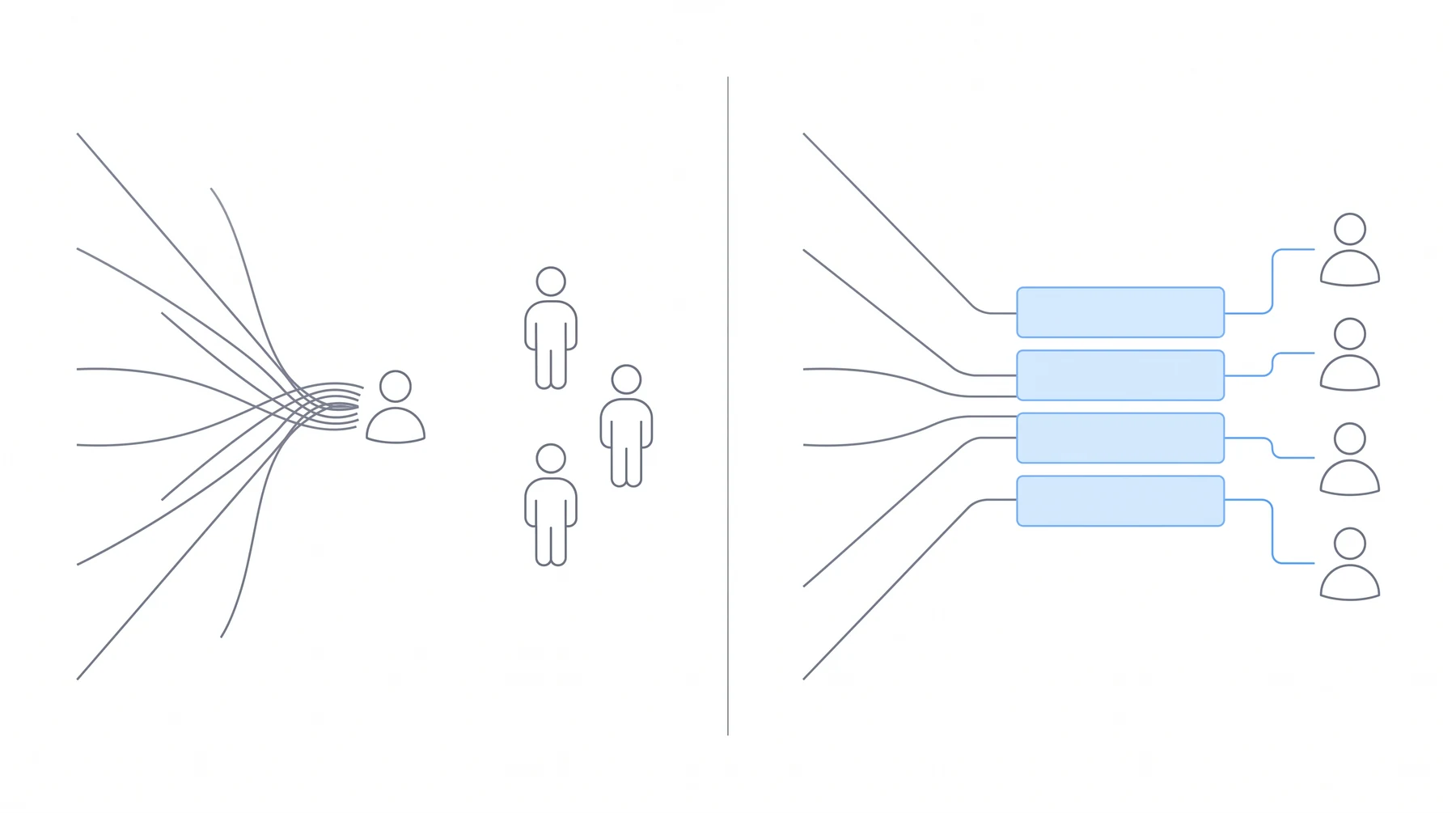
Laura and Nikhil then went back through the list one at a time. This was the most practical stretch of the hour.
1. Do you know the status of every case without logging in?
Nikhil’s framing was that most people collapse status into a binary: is there a decision or not, do I need to file an appeal. But the operationally useful statuses are more granular. As he described it: “There’s a lot more status here that actually matters when you’re talking to a client, when you’re thinking about your workflows.” Has it reached DDS yet? Have you been assigned? And the real question underneath is how easy it is to actually access that information.
He also flagged a shift firms may not have priced in: more and more firms are doing more and more work at the initial and recon level. A practice built around jumping in at the hearing level is operating on an older model of the process.
Laura’s addition connected it back to continuity:
If the status of a case is living inside of one case manager, one paralegal, or one attorney, the practice as a whole has a continuity problem. And it might be disguised as staffing strength, when in reality it’s a process and procedural problem inside the firm.
Laura E. Kennedy
That phrase, disguised as staffing strength, is the sharpest diagnostic in the session. The firm with one indispensable person who knows everything does not feel like it has a systems problem. It feels well-staffed, right up until that person takes a vacation.
2. Can your team reach SSA case data without fighting for access?
Nikhil’s answer was the most concrete story of the workshop, and it landed because it is mundane:
Most firms I know right now still have essentially a Google Voice phone, or some phone in their office, where you get the code to get to the ERE. And if that phone is out of batteries (which happened during one of my training calls, that phone was out of batteries), guess what? No one can access ERE data until that phone gets charged again.
Nikhil Pai
The point is not the phone. It is the single point of failure hiding inside a process everyone has normalized. His prompt to the room: maybe you all are used to this process, but is it really efficient?
3. Do you learn about decisions and deadlines proactively?
Nikhil explained the structural change that makes this harder than it used to be. At the hearing and appeals levels, decisions land in stats reports, which made them reasonably easy to find. But initial and recon decisions are now posted in the case documents in the e-file and the ERE.
They are available. They are just not visible:
So they’re available to you, but you just don’t see it unless you open each client’s page one by one, kind of going to point two, which is just a painful process.
Nikhil Pai
The alternative is waiting for mail that, at the initial and recon level, is often missing entirely. Which produces the failure everyone in the room recognized: the client calls in being like, hey, I got denied, what are you going to do about it? And you’re caught scrambling.
Chronicle’s role here is the daily check. Chronicle monitors the ERE and e-file every day for every monitored case and surfaces new documents, status changes, and upcoming deadlines, so a decision posted to the e-file becomes something the firm acts on rather than something a client reports.
4. Does your case data match what the SSA actually has?
Laura called this the question where firms most overestimate themselves. Her distinction, as she put it: “The ability to submit something is not the same as operational control.”
Readiness in an SSD practice requires reconciliation between the internal record and the SSA-facing environment. Without an easy way to confirm what was sent, when it was sent, and what remains outstanding, the whole operating model becomes disjointed and inefficient. This is the pressure point she mapped in Part 2, now expressed as a yes-or-no question.
Nikhil’s field observation: this is where he sees a lot of firms doing manual data entry, trying to keep things in sync. His threshold: if you have more than 50 cases, it’s almost impossible to keep it up to date by hand.
5. Do mail and medical records flow in, or pile up?
Nikhil described the standard intake pattern and why it starts behind. Mail arrives already delayed. Someone at the front of the office opens each piece, scans it, triages it to the right case manager, tries to work out what is important. By then the firm is a couple days behind on information that was already old.
His description of the better pattern reframes what mail is for:
That piece of mail is more about a checkbox just to confirm it’s already being handled, rather than the starting point of a lot of the standard operating procedures.
Nikhil Pai
Laura widened it from mail to workflow generally. If the firm’s workflow is held together by spreadsheets, inbox flags, the mail delivery system, duplicated notes, and verbal handoffs:
Then that workflow is not a designed workflow. It’s a patched workflow.
Laura E. Kennedy
Patching sustains a practice for a while. What it cannot do is serve as the foundation a firm launches off of to scale. Her tell: if you find that things are piling up, that would be a good sign that you’re probably patching rather than processing.
6. Does your admin work grow as fast as your caseload?
Nikhil gave the cleanest self-test in the session:
Every single time I add 100 cases, do I need to hire someone else?
Nikhil Pai
If yes, the firm is scaling linearly with headcount. In an efficient business, he argued, margins should grow over time, with the bottom line moving not purely linearly with your caseload, but if anything, faster.
Laura extended it into why these problems are best caught early. Problems right now can look manageable at your current volume, but they become harder and harder to diagnose when you layer on more cases, more people, and more activity.
She closed the section on data quality, and this is the line most worth taking back to your firm:
If you don’t have context around your data, then everything you’re doing is just a guess. And it’s hard to scale a law firm on guesses. You want to scale it on strategy.
Laura E. Kennedy
Where Do You Go From Here?
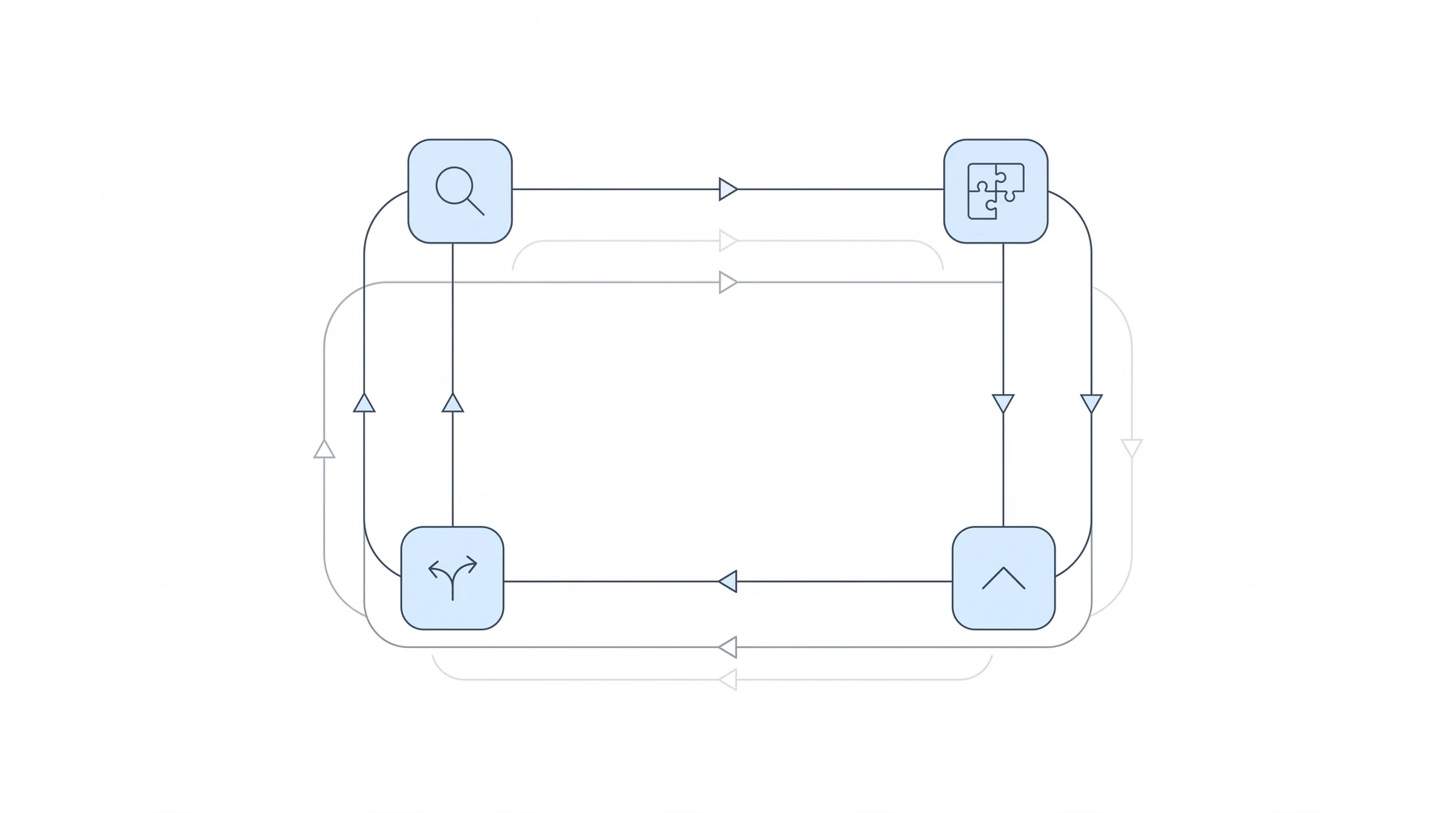
Laura’s answer is not a purchase. It is visibility.
Visibility comes from evaluating your workflow, seeing how evidence is being handled, assessing the systems you have, looking at the habits of your team, and examining how you interface with information from the SSA. And she was explicit that it is not a shopping trip. On what visibility does not require, she said: “Not necessarily does it mean getting new tools or more motion. It’s really getting clarity around how your practice is functioning.”
And clarity, she argued, is the difference between expanding your practice with confidence and expanding it into a strained situation. Avoid strain, expand confidently, which is the title of the workshop, arrived at from the inside.
The RISE Framework
RISE is Laura’s cycle for getting there:
- Recognize where you are
- Integrate the right systems for your business
- Strengthen the firm: the technology stack, and the processes and procedures that use it
- Evolve: scale with support, on a mindful path
The critical property is that it repeats. Scaling is not a one-time activity, and the goal shifts as the firm evolves, so the cycle runs again against a moved target. That means workable metrics and KPIs that tell you where the state of the firm actually is, evaluating what’s working, identifying where it’s not, and fixing it.
The Circle 360 System
The broader methodology Laura has built over almost 30 years is a seven-step cycle: Assess, Diagnose, Optimize, Lead, Measure, Elevate, Rise. Then run it again.
What she anchored it on, though, was people:
You cannot run a law firm without people. And you can’t run a business without people. You can’t even use AI without people. You need people. Humans need humans.
Laura E. Kennedy
Architecture, framework, people, and strategy as the thread that keeps it all in alignment so the firm can rise.
What This Looks Like for Your Practice
If you want to act on this workshop rather than just file it, three concrete steps came out of the hour:
- Score the six questions honestly this week. Not aspirationally. Ask the person who actually does the work whether they can tell what is missing from every open case right now. The gap between the leadership answer and the staff answer is itself a finding.
- Find where continuity lives. Pick three active cases at random and ask who, other than the assigned person, could say where each one stands. If the answer is nobody, that is the continuity problem Laura described, and no amount of hiring resolves it.
- Separate the foundation from the extras. Before evaluating any new tool, confirm the operational core is solid: intake, case management, SSA stage handling and docketing, and financial visibility. Laura’s sequencing is that home base comes first, and a rocky foundation makes everything above it wobble.
If the readiness check surfaced question 3 or 4 as a clear no (you learn about decisions reactively, or your case data drifts from what the SSA has), that is the ERE reconciliation gap, and it is what Chronicle is built for. Chronicle checks the ERE and e-file daily for every monitored case and surfaces status changes, new documents, and upcoming deadlines. It is not a case management system; it works alongside whatever CMS you run, or none at all. You can book a demo if you want to see that piece specifically.
Frequently Asked Questions
These came from the live audience Q&A.
When does it make sense to merge with another firm rather than scale on your own, and what goes wrong in mergers?
Laura works this question regularly through succession planning engagements. Her observation about what actually derails a merger is counterintuitive:
The friction doesn’t usually happen because they don’t see eye to eye on philosophy, or goals, or even strategy, or even growth. It always comes down to platform.
Laura E. Kennedy
Her practical guidance, as she put it: “We do better when we can be on more current platforms, to be able to scale up quicker.” Firms don’t have to be on the same platform, but they do need to be on a current one, because that is where the structured, current data lives. She was pointed about legacy data, asking whether you would want an AI bot making decisions about how you practice today based on how you practiced 20 years ago when you were a newer attorney or a less seasoned attorney.
And a warning about who to trust on the migration question. When you talk to the vendors, the vendors are like, oh yeah, no problem, we can handle that, and in her experience the reality is that they can’t, because they don’t know your business and they don’t know your data.
What is the ideal attorney-to-staff ratio for scaling?
Laura’s baseline: at a minimum, no more than two attorneys sharing one staff person, with one-to-one being ideal, though she acknowledged that rarely does that make sense economically.
Nikhil’s field data was wider. He described one firm with maybe two attorneys and a dozen or so staff running a thousand cases, with attorneys plowing through the hearings only and staff managing everything else, and other firms at one attorney to two or three staff working collaboratively as a team. His read: it really comes into what systems and processes you have in place.
Laura’s upper bound was a systems test rather than a staffing one: if you have one timekeeper who needs 12 staff to manage their caseload, then we probably have a technology stack issue.
Where do I start if I think my systems are holding us back but I’m not sure what’s broken?
Start with an audit rather than a purchase. Circle Management Group offers five benchmark assessments free for law firms, which give a baseline on where your technology is. Laura was explicit that you don’t need to pay her to self-assess: the free benchmark is not as in-depth as a comprehensive diagnostic, but it establishes a starting point.
Her note on what the assessment surfaces: learning what your staff do and what they are actually using versus what you think they’re using, insight she called invaluable in determining what to do with your technology.
Can AI replace employee tasks in a disability practice?
Laura drew a firm line between tasks and people. On replacing staff, she described herself as very passionately an advocate for not replacing your staff with technology. She answered: “I think the goal of the law firm should be to train your staff how to use the technology.”
Her position on staff who resist AI was more nuanced than either extreme. Keep everybody on your staff who is open to the idea of working with AI. Work with the ones who are resistant, and help them overcome their fears and anxieties. And she named where those fears come from:
Their biggest anxiety and their biggest fears come from leaders in the firm who talk about replacing them with AI.
Laura E. Kennedy
On tasks, she was enthusiastic. Replacing redundant tasks with AI, or shifting the people who do them into oversight and review rather than execution, produces higher work product. Her example was deadline calculation and calendaring: AI is likely more precise than somebody accidentally clicking on the wrong date or time, with a human comparing the output to a scheduling order, a much better use of that person’s time than sitting there inviting 75 people to a calendar invite.
For what this looks like in practice at other disability firms, our Peers in Practice roundtables covered exactly this ground for small firms and large firms.
How do you use AI without exposing PII or HIPAA-protected information?
Laura’s answer is architectural: control the bucket of data the AI is allowed to pull from, so the content itself protects itself. Protected information should be preserved inside boundaries the AI cannot reach.
Her operating questions: where is the data coming from, what are you using to access it, and what guardrails do you have? Which is the governance and policy layer from the ALPS architecture, applied to a specific decision. Her closing instruction was to build your governance and policies around it, and not just give those AI tools and platforms carte blanche access to your data.
With capped fees, how do I know a technology change actually pays for itself?
Laura’s answer was an ROI analysis grounded in time rather than fees. Figure out where you’re losing time, analyze where your workflow bottlenecks are, how long processing takes, and how much more efficient you could be.
Her reasoning: obviously in capped-fee situations, efficiency is where it’s going to be. The return is not a larger fee per case. It is removing the bottlenecks that make you overextend time or spend too much time in one area of managing a case.
What tech stack do you see that works well?
Laura declined to name one, and her reason is the through-line of the whole workshop:
What works for one firm does not work for another, because firms are made up of people. People design the workflow, people design the processes that manage the workflow internally.
Laura E. Kennedy
Because the products a firm chooses have to match those processes, she gets certified on over 200 products in this space, because there is not a one-size-fits-all solution for any law firm. Her closing note was that the answer is usually a combination of tools, not one particular tool.
Watch the Full Replay
Upcoming Events
Disability Peers in Practice, August 2026. A working roundtable with other disability attorneys and their teams. August’s topic picks up directly where this workshop left off: the people problems that surface as firms scale. Same conversation, two rooms, pick the time that fits your day.
Thursday, August 20 · 12:00 PM CT · Register for Session #7
Thursday, August 20 · 2:00 PM CT · Register for Session #8
About This Series
Advancing Technology in Disability Law is Chronicle’s ongoing series of workshops, panels, and roundtables for Social Security disability practitioners. Sessions bring in leading practitioners and operators from across the space to teach on the operational, technological, and strategic problems specific to disability practice, not generic law firm content with the word disability added to the title slide.
Past sessions in the series include Built to Grow, on scaling high-volume disability firms, and our Disability Peers in Practice roundtables on AI adoption at small firms and large firms.
You can find every upcoming session on the Chronicle events calendar, and follow Chronicle on LinkedIn for session announcements and recaps.
Questions about anything in this recap, or about Chronicle: support@chroniclelegal.com or 847-665-9612.
Full Session Transcript
Lightly edited for readability. Filler words removed and split captions merged into paragraphs.
Will Yang: Welcome, everybody, to Scale Without Strain, the leadership filter and operational readiness workshop for disability practices. This workshop is part of Chronicle’s Advancing Technology in Disability Law series, where we bring in some of the space’s leading practitioners to educate on different thematic topics that are of interest to disability firms specifically. We’re excited for this workshop today.
First, to take care of some housekeeping. This workshop is going to run to the top of the hour. We have about 45 minutes of content ready for you, and then we will have a Q&A section. If you have any questions along the way, you are encouraged to leave them in the Zoom chat.
The other thing is, this recording is shared. So if for whatever reason you have anything that you need to review or go over, or forward to somebody on your team because maybe they weren’t able to make it live, you’re more than welcome to do so, and we will send all of that information to you after today’s workshop.
This is Laura’s session. It’s going to be practical. It’s going to be practitioner-level content throughout.
Before we do a quick introduction, in case it’s your first time here: we are Chronicle. What we do is we help you watch the ERE so that you don’t have to. So we check the ERE every single day across every e-file and make sure that your team stays more proactive than reactive when it comes to servicing your clients. We are built specifically for Social Security disability practices, and we run these regular events for the community as well, with the intention of just improving the overall advocacy efforts of disability firms.
Today, we’re going to cover a lot. The first thing is we’re going to talk about why growth in disability law is an operational question as opposed to a volume question. We’re going to talk about what a connected technology stack actually looks like for a disability practice. Laura’s going to go through a six-question checklist that you can follow along with for yourself to score your firm against. And then she’ll also provide you with a very clear framework as to how you’re going to decide your next move.
To give you a quick round of introductions: my name’s Will, I lead the events and community efforts at Chronicle. I’m joined by Nikhil, the founder of Chronicle. Chronicle is the ERE monitoring platform powering over 2,800 disability professionals that are monitoring hundreds of thousands of cases.
And I’m very excited to also bring Laura to the stage. Laura Kennedy has spent more than 25 years in legal technology. She has consulted for over 5,000 law firms around the world. That’s 5,000. So when Laura talks about what breaks when a practice grows, she’s not theorizing. Instead, she’s watching how it actually happens at scale across every firm, because she’s spent her entire career helping people fix this.
She is the creator of the Circle 360 System and of Technology Strategy as a Service, and these are frameworks that she’s going to walk you through later today.
Laura, feel free to take it away.
Laura E. Kennedy: Thank you so much for that wonderful introduction, Will. I really do appreciate that, and I am really privileged today to be able to work with Nikhil and Will on this presentation for all of you.
So, as Will mentioned, this is Scale Without Strain. This is operational readiness, and we’re going to talk about readying your firm for scalability, which is the only way that Social Security disability practices can really become efficient and profitable. To be able to scale mindfully, with a lot of efficiency around it, and a lot of really clear goals and objectives in the journey towards scalability.
So, the word of the day today is clarity. Clarity is the foundation of everything that you need to be able to do to scale with that mindfulness that I was talking about.
There are three areas today that we’re going to discuss. We’re going to talk about the difference between a Social Security disability practice: what makes it structurally different, what makes it unique. Then we’re going to talk about the design of your technology stack. I have a system that I developed that I pressure-test all of my firms against, and we’re going to talk about what that looks like specifically for SSD. And then Nikhil and I have put together a readiness assessment: six questions, really quick, thought-provoking, for you to think about whether or not your firm is ready to scale.
Will did a great job introducing me. I think the only thing that I would say, in addition to what Will said, is that I am of the belief, and always have been, that strategy matters more than the software.
So we’re going to talk about the difference, and the difference is really the first step towards clarity.
We’re going to talk about five different areas where SSD is different. The first one is beyond the firm. A significant portion of disability work, as you all are intimately aware, moves through the Social Security ERE. And because so much of what you have to process is not in your control, that is a big differential in designing your tech stack and understanding where you are in your case management process.
The second piece is that the evidence you’re dealing with is living. That’s the piece that works inside the firm. It’s your intake, your medical development, evidence review, hearing prep. It’s the work that your team performs, and it’s the work that you can see.
And then inside of all of that are the fixed stages, because the ERE submission and status tracking is all handled within the SSA, which is still outside the firm. You have to constantly be in communication with what’s happening on that side of the aisle.
And then you deal in volume. You have capped fees, and in dealing with a high volume of cases with capped fees, you have to be efficient in order to be profitable. And then you’re playing in a space where the cases can be long, multi-year cases, and your clients are the most vulnerable, so they have a sense of urgency. And you have to follow through with the governmental regulations around your practice. Those two things can sometimes cause friction.
And so the biggest gap that we reach in working with our Social Security disability firms is that we have to reconcile. It’s a constant state of reconciliation between confirming what was sent to them, when it was sent, what’s outstanding, what stage are we in, and making sure that every step of the way you’re in lockstep with the Social Security Administration.
So that’s what I think makes the practice area different. What do you think, Nikhil?
Nikhil Pai: Yeah, I think these are a lot of really great points. Just to echo some of them: to the point of the long relationship, the SSA is always changing. We’re always seeing what new things the SSA is pushing out, whether it’s new rules and regs. And that really does affect how the practice functions. Some years, for example, there’s a backlog in initial and recon, and so that’s the important part of your business to be focused on, or the hearing level. And those switches year to year that the SSA does affect how the firm needs to function. It’s super important, and it makes disability different, that you’re all beholden to this behemoth, which is the SSA.
Laura E. Kennedy: Great point on the regulations constantly changing. That’s one of those things in life that is in a constant state of change: the government and their regulations.
Now that we have a base of where the discussion is going to go with regard to the differences and the things that are unique to Social Security disability practices, what is it that we can really do about it? And that leads into the second point, which is the design.
When we talk about a technology stack, a lot of times we get lost in what a stack actually looks like. What am I supposed to look at? What does that even mean, a technology stack? But before we can even get there, we’ve got to talk about fragmented systems versus connected systems inside of firms. And only the connected systems are the ones that are going to scale.
So a fragmented system is going to be one where the records are saved in one system and maybe noted in another one. Where the ERE is tracked separately or by hand. The continuity lives in somebody’s mind, not in a system. There’s no shared view of the case status. And it works fine if you’re a small firm, until it doesn’t work anymore.
Whereas a connected system is going to have one record come in and it’s going to trigger an entire process. The evidence is going to be categorized. It’s going to be placed on a timeline. The ERE submission has the readiness built in. There’s going to be full case visibility in one single place for everybody to view, and it’s going to be ready for strategic review.
So an example of a fragmented system: a new record is saved in your case management system. Maybe it’s noted in another system that you have to go into and put a note in. The person who’s handling it knows where it stands, and that’s great, but the mind of that staff member is the only place where there’s continuity between what’s happening on the SSA side and what’s happening on the firm side. Whereas in a structured process, or with a connected system, that same record is going to trigger a completely different process, and it’s going to be visible.
That connected system that I’m talking about has a name. I define it as the Adaptive Legal Practice Systems, or ALPS, in my world. What this does is it provides a framework for people to consider what their tech stack looks like.
The baseline is the infrastructure, obviously, that you’re running on. Are you running on cloud? Do you have servers? That’s not really what the tech stack is designed to represent. It is what type of technology are you running that’s going to make a difference in your practice.
So at the foundation of every practice, there’s the core operational platform. And then we get into the document management, the collaboration, the specialty practice tools, your growth and marketing engine that’s managing everything. And then as we feed into that, it’s feeding into the client experience. And then now we have this AI layer that we have to think about and bring into the fold, so that you can figure out what is going on with your firm. What type of financial position are you in? What type of analytics are you running? What type of key performance indicators do you feel are important to your practice?
And all along, while we’re dealing with our tech stack in this capacity, we have to ensure that we have our security and compliance on one side, and our governance and policies on the other, so that we don’t let our data and our content that we’re dealing with run outside of those guardrails.
So when we think about how this applies specifically to a Social Security disability practice, it looks a little bit more specific. Within your particular practice area, you have to not just track the cases, but you have to also reflect the Social Security Administration’s driven workflows. So if the system that you’re building can’t model those phases clearly, then the firm will inevitably be rebuilding them in spreadsheets, in your email inboxes, and in some other capacity. Because that’s what you have to do to manage something, if the software you have internally does not manage that for you.
And so that is the fragmentation that happens. When you have data that lives in different places: spreadsheets, other databases, somebody’s email, somebody’s head, somebody’s notepad, somebody’s voice transcriber. All of those things are not helpful to a team of people.
So as you start to build your tech stack, you want to make sure that the operational core is solid. You need a solid intake system. You need a solid case management system. You need a solid way to deal with the Social Security Administration stages and the docketing that’s required. And you need a way to manage your own revenue and your own financial positions every single day. If that foundation is rocky, then you will start to feel wobbly in your stack, and you’re going to find other ways to start managing that data. So you have to take care of home base first.
Once you have that home base aligned, then you can start looking at things like evidence and knowledge management. Dealing with ways that you can automate the medical evidence across time, across providers, across procedural stages, because these documents are not static. They’re constantly evolving.
And this is where a system like Chronicle becomes critical, because structuring those records as an organized, categorized timeline with context, and the context is important to the case narrative. You can store documents anywhere you want, but the context is what separates a program like Chronicle from Dropbox or Box or something like that. And when you are using a system like that, then the attorneys and the staff can gain a dynamic view of the case, and then it aligns with how the decisions internally are actually being made.
And then that starts to fill that gap I talked about earlier, which is reconciling what’s happening with the Social Security Administration with where the firm is managing the case at the stages that it’s tracking internally.
And that’s what interacts with that next layer, which is the Social Security Administration-facing layer. Without that connection, that’s where pressure starts to build in the firm. So that pressure between what’s happening in the firm and what’s happening at the Social Security Administration and their records is where the pressure builds, and that’s where your tech stack can either help you scale, or it will start to become super wobbly and you’re going to feel a lot of stress dealing with your cases. And that pressure usually will happen and blow itself up probably at the wrong moment.
So that’s where the pressure can be relieved, if you take care of that piece. And then when you do, your clients are happier. They’re getting answers, you’re able to deal with them a lot faster. You’re not sifting through folder files or Windows Explorer or something like that to try to get your clients some answers. So you’re much more on the ball. They’re getting their answers quicker. You’re feeling much more productive and efficient, and they’re feeling like you are really on top of their case.
Then enters the new world that we all have to live with now, which is AI. AI can be a blessing or AI can be a curse, and it’s going to totally depend on how you implement AI and how you decide you want to put AI into your system.
So you are either going to align AI, and it’s going to weave itself through those layers and actually be helpful in helping you drive your insight, helping you drive oversight on your cases, help you with the analytics and the intelligence needed to see where your evidence is, measure your financial reality, all of those things. Or, if you orphan it and you’re just dealing with it over here and it’s a bolt-on, then it can become a hindrance, because people aren’t going to know how to use it. Why do we even have this tool? It’s not helpful. I don’t understand why we need to have AI at all. It’s not doing us any good. And then it just doesn’t become a useful tool at that point.
So you really have to be mindful about bringing AI into your tech stack, because it needs to connect all of these layers to give you insights and oversight on your cases, all within those guardrails of security and compliance, and governance and policy.
Being operationally ready means that you have a clear tech stack that you are operating against, you are mindfully building it, you know what’s important. And that importance of building that tech stack means that you’re going to be prepared to scale.
Usually with firms, if you have strong lawyers, committed staff, steady demand, you can still be unprepared to scale. Not because you lack the capability, but because your growth is going to expose the pressure and the lack of processes and procedures internally that working hard cannot overcome. Because if your systems are broken, you can work as hard as you want to, but you’re still not going to be able to scale.
So any thoughts around that, Nikhil?
Nikhil Pai: No, I think this is a really good framework that can help a lot of firms think about where they are possibly falling short. Something I want to build on is that ideally this isn’t the perfect end state, but honestly, it’s something a lot of firms have to iterate on over time to get right. And so if you look at this and you’re like, oh my god, I haven’t even started to think about how I do any of this, just remember: you can put pieces together over time with the right support and the right people, whether external or internal. It’s going to be something that you have to take a step back from working on cases to building your business. It’s something that you have to just dedicate time to thinking about, and be willing to have a little bit of trial and error in the process of trying to get to this perfect end state.
Laura E. Kennedy: Right. But when you’re designing your tech stack, the goal is to build it to scale, one that can absorb the additional volume without proportionately adding on to the manual workload.
So just to recap, I have a few different things that identify a connected practice. Which is: a single source of case status. Workflows built on the reality of the Social Security Administration as it is at the time. Remembering that evidence is a living timeline. AI is woven through the process, not bolted on. You want to make sure you can reconcile your ERE. And your operational data is something that leadership can use.
So those are the requirements of a connected practice.
Now I have a little exercise just for us to walk through, and just do a quick gut check here. Just ask yourself these three simple questions.
If one person on your team is out next week, does the work still move? Or are you in a holding pattern?
Could you, as a managing attorney or firm leader, or attorney even working on individual cases, or a paralegal that has to manage the workload, can you tell right now what’s missing from every open case? Probably not.
Can anyone but you, in your mind, say where a case actually stands?
So if you gut check that, and any one of those three questions gave you a pause, it’s probably not because of the effort that you’re putting into managing cases. It’s probably the design of your tech stack.
Okay, now this is the fun part, because this is where Nikhil and I collaborated very closely on this presentation. And there’s actually a great blog that Nikhil wrote that I posted up on our website around these same questions. What I want to do is just walk through these questions and talk about some of this as you start to think about the readiness of your firm.
So as we walk into this readiness assessment, one thing I do want to say is that scaling a practice is not a staffing plan, nor is it a software search. It is building a deliberate practice for scalability, to take on greater complexity and more cases without losing control of your practice. And that is what scaling your practice means.
And as we go through them, there are going to be six challenges that every single one of these questions is going to address.
The first one is that economics are going to tighten as you grow.
The hiring does not equal capacity. So you can hire and hire and hire away, but if you have broken systems, you have broken technology, you have broken processes and procedures, you can hire as many people as you want to, but it’s not going to scale your business.
The client trust is not going to scale automatically either. That’s why you have to build these systems and this tech stack in such a way that your clients trust what information you have, that you have the most current information, that you’re giving them the most current status updates on their cases. If you can get that information at your fingertips without having 24 hours to get back with them, you’re going to have a scalable practice.
The pipeline is going to outpace the process. You have to know that that’s what’s going to happen. Your pipeline, as you grow it, is going to outpace your practice. So you have to be prepared to deal with that.
You don’t want your cash flow to lag the caseload. You want your caseload to support the cash flow.
And the last one is that as you are going through your readiness assessment and answering these questions, with volume increases, you also are going to increase your compliance risk.
All right, I think now we’re ready to do the questions. As you are working through these, I just want you to sit down mentally and just think, yes or no, yes or no, to these different questions.
Do you know the status of every case without logging in?
Can your team reach the Social Security Administration case data without fighting for access?
Do you learn about decisions and deadlines proactively?
Does your case data match what the Social Security Administration actually has?
Do mail and medical records flow in, or pile up?
And then the real question at the end is, does your admin work grow as fast as your caseload?
So Nikhil and I will come back to these questions and talk about some of the answers. But if you did that mental yes, no, yes, no, yes, no: if you answered mostly yes, then you have a workable operational foundation for growth. If it was mixed, growth is still possible, but when you start digging in, you’re going to expose some dependencies and reporting gaps and inefficiencies. But if it’s mostly no, probably scaling is not the right next step for you. You probably need to come back in and do some realignment around your operations.
Nikhil, let’s talk a little bit together about some of these questions and what each one of them can mean for a disability practice.
Nikhil Pai: Yeah, for sure. And something I just want to frame up: when people look at these questions, they probably think about, well, this is how my firm works today. Some areas I want to flag, especially as the process has changed, is more and more firms are doing more and more work at the initial and recon level. Just keep that in mind. If you’re a firm that typically just jumps into the hearing level, things have changed. The SSA has changed the process, the amount of data access. And you’re thinking about, maybe you thought, oh, I was fine at the hearing level. Have you even considered the initial and recon level?
But yeah, so going down this list. Laura, feel free to jump in at any point. Do you know the status of every case without logging in? This is where status comes in. Most people just think about, is there a decision or not? Do I need to file an appeal? There’s a lot more status here that actually matters when you’re talking to a client, when you’re thinking about your workflows. Because it could be, has it reached DDS yet? Have you been assigned? And how hard is it, how easy is it to actually access that information?
Laura E. Kennedy: I agree with that, and I also will go back to what I said before, which is, if the status of a case is living inside of one case manager, one paralegal, or one attorney, the practice as a whole has a continuity problem. And it might be disguised as staffing strength, when in reality it’s a process and procedural problem inside the firm.
Nikhil Pai: Sure. And then to your second question, can your team reach the case data without fighting for access? Most firms I know right now still have essentially a Google Voice phone, or some phone in their office, where you get the code to get to the ERE. And if that phone is out of batteries (which happened during one of my training calls, that phone was out of batteries), guess what? No one can access ERE data until that phone gets charged again.
So just think about those little things here. Maybe you all are used to this process, but is it really efficient? Is there some single point of failure where, if the ERE goes down, we’re all now locked out of our case files?
Laura E. Kennedy: Right. That’s good.
All right, the next one is, do you learn about decisions and deadlines proactively? I think this would be a good place. Nikhil, I don’t want to keep putting the pressure on you, my friend, but this is a good place to talk about the decisions and deadlines coming down proactively, and how your product can help.
Nikhil Pai: Yeah, for sure. So most folks right now are used to, with the hearing level and the appeals level, they put the decisions in those stats reports, so they were pretty easy to find, and that meant you could keep on moving. As I was mentioning, initial and recon has become a bigger part of many firms’ processes. They know they could either win the case at initial or recon, or help it move along faster.
Those decisions are actually now posted in the case documents in the e-file and the ERE. So they’re available to you, but you just don’t see it unless you open each client’s page one by one, kind of going to point two, which is just a painful process. Or you wait for the mail, and usually the mail is completely missing for a lot of decisions at the initial and recon level. And what happens for a lot of folks is the client calls in being like, hey, I got denied, what are you going to do about it? And you’re caught scrambling, and it just doesn’t look good.
So what Chronicle actually does is, because we check the e-file every single day, as soon as that decision is posted we’ll notify you and actually extract the decision, so you know if it was denied and you can proactively call your client. You can start working on the appeal 10 days early.
Laura E. Kennedy: Great. All right. Does your case data match what the SSA actually has?
I’ll put my two cents in on this one, and then I’ll let you follow up, Nikhil. In my experience, this is where many firms overestimate their readiness. The ability to submit something is not the same as operational control. Readiness in an SSD practice requires reconciliation between the internal record and the SSA-facing environment. And if there’s no way for your internal processes to easily confirm what was sent, when it was sent, what remains outstanding, then the whole operating model becomes disjointed and inefficient.
So this is where that pressure point in the tech stack is. And this is what really can make or break a firm who wants to scale.
Your thoughts, Nikhil?
Nikhil Pai: Yeah, this is where I see a lot of firms doing manual data entry, trying to keep things in sync. If you have more than 50 cases, it’s almost impossible to keep it up to date. And once again, not to always plug Chronicle, but Chronicle can sync this data into your case management system, so your case data does match what the SSA is actually reporting.
Laura E. Kennedy: Perfect. Do mail and medical records flow in, or do they pile up?
Nikhil Pai: Yeah, happy to take this one. Once again, most firms I’m seeing, they’re waiting on the mail. The mail comes in, it’s already delayed. And the process usually is, some person at the front of the office is tasked with opening each piece of mail, scanning it in, triaging it to the right case manager, trying to find out what’s important. And at that point you’re already a couple days behind. So it’s just a constantly delayed process of getting mail, getting medical records, sorting and triaging them.
For a lot of firms, the ideal process is you know about the mail before it even comes in. You know what to expect, that way your team is already working on those items. And that’s data that’s available in the ERE via Chronicle, so that way you’re already ahead of things. And that piece of mail is more about a checkbox just to confirm it’s already being handled, rather than the starting point of a lot of the standard operating procedures.
Laura E. Kennedy: Yeah, and to just follow up on that. It goes back to workflow. If the workflow inside of the firm is really held together by spreadsheets, inbox flags, the mail delivery system, duplicated notes, verbal handoffs, those types of things. If those are the mainstays of communication in the firm, then that workflow is not a designed workflow. It’s a patched workflow.
And patching in the holes like that can sustain a practice for a while. But it’s not the foundation that a firm can launch off of to scale. So it’s really needing to ensure that you’re building your workflow, your processes, your procedures so that it can be visible and repeatable every single step of the way. So if you find that things are piling up, that would be a good sign that you’re probably patching rather than processing.
And then the last one is, does your admin work grow as fast as your caseload?
Nikhil Pai: Yeah, this one. The typical sign that this is happening is you are also hiring as fast as your caseload grows. If you’re building an efficient business, you actually want to see your margins grow over time, so your bottom line is actually growing not purely linearly with your caseload, but if anything, faster.
And so that’s definitely just the red flag to watch for: every single time I add 100 cases, do I need to hire someone else? Or are my systems scaling, as Laura is always talking about?
Laura E. Kennedy: Yeah, and the other piece too is that, as I was thinking about this question that you posed in the blog, problems right now can look manageable at your current volume. But they become harder and harder to diagnose when you start to layer on more cases and more people and more activity, if you don’t really work really hard to close those gaps that I was talking about.
Because one of the things in today’s world with AI is that context building that I was talking about initially at the beginning of this conversation. You want to be able to not just build your data, but you want to build your data with context. So adding data into a case management system, a knowledge management system, collaborative systems, things like that. You want to be able to build that data with context so that you can start to build strategy. If you don’t have context around your data, then everything you’re doing is just a guess. And it’s hard to scale a law firm on guesses. You want to scale it on strategy.
So those are the types of things that can also begin to help your admin staff manage their caseload, if you have a strategic vision around how you want to deal with the data that’s being accumulated. And law firms just generally are accumulating data at a seriously high rate, especially electronic data. So building a platform in a tech stack that can support the amount of data that’s coming in. It’s not just the amount of cases, but the sheer amount of data that’s coming in is extremely important too.
All right. So where do you go from here? Really where we want to go is into a position where we start to deal with visibility.
The next step begins with visibility. Visibility comes from dealing with your workflow, evaluating your workflow, seeing how your evidence is being handled, dealing with the systems that you have, looking at the habits of your team, and looking at how you’re interfacing and dealing with the information from the Social Security Administration. Not necessarily does it mean getting new tools or more motion. It’s really getting clarity around how your practice is functioning.
And that clarity is the difference between expanding your practice with confidence and expanding it into a strained type of situation. So the goal is to avoid strain and expand confidently.
I call that confidence piece part of that RISE, firms rising constantly, moving in a trajectory of health, a trajectory of efficiency, a trajectory of profitability, a trajectory of client confidence, a trajectory of innovation and impact. And I call it RISE because it’s really a system of Recognizing where you are, Integrating with the correct systems, the right systems for your business, Strengthening the firm, meaning strengthening of that technology stack and the processes and procedures inside of the firm that use that technology, and then Evolving, scaling with support, understanding that this is the mindful path that we have to take.
And the goal is going to shift as the firm evolves. So you’re going to go through the process over and over again as you continue to evolve the firm, because scaling is not a one-time activity. Scaling a firm is an ongoing process of constantly looking at the firm, understanding where you’re sitting, having workable metrics, workable KPIs, workable things that tell you where the state of the firm is. Evaluating what’s working, identifying where it’s not, fixing it where it needs to be fixed, so that you are constantly trying to become a better, more efficient firm.
So we have a lot of tools, and I’ve spent almost 30 years developing my tools. I know this is a lot to look at, but we talked about the architecture. The other piece of it is, as the firm goes through these evolutionary cycles, it is a seven-step process. You Assess it, Diagnose it, Optimize it, Lead through it, Measure it, Elevate it, and then Rise. And you go through it again, and you go through it again.
You have the architecture, the framework in which to deal with it. And then you always have the focus on the people. The people are the most important part. You cannot run a law firm without people. And you can’t run a business without people. You can’t even use AI without people. You need people. Humans need humans. Humans need to connect to humans, and your clients are people. They’re not robots and AI bots and things like that. They’re people too. So people need people.
So when we tie all of these different components of a firm together: what they need to do to grow, the architecture and the framework within which to grow, the people, we grow the people. We need a strategy. And it’s the thread that keeps it all in alignment so that the firm can rise. And that is my system for helping firms do that, because every firm is different, but everybody can follow through on the same system.
So before we close, I just have a few more thoughts for you.
The first one that I want to leave you with is that, like I said, readiness is not a one-time audit. It is a strategic partnership.
The key takeaways that we talked about you having today were to see what made your practice different, recognize what a connected system looks like, and assess your own readiness. Those were the things that we wanted to make sure we talked about today.
I think we accomplished that. I think we learned that growth is an operational question. It’s not necessarily a volume one. I hope you gained some practical tools today to audit your own practice. And I hope you discovered a framework today that will help you decide if you are ready to scale.
What I offer you today is the Connected Practice Design Checklist. It’s downloadable for you. There is a QR code there that will take you to a website where you can get that checklist and some other things available. If you check back in frequently, I’ll be adding in some more resources for you.
The other thing I would offer you all today as part of attending this webinar is, if you would like a complimentary discovery session where we can have a conversation around your systems, your goals, what readiness looks like for your firm, you can book on my calendar, or you can call my office.
Will Yang: Thank you so much for that presentation, Laura. We’ve got a couple questions to kick us off.
The first question is coming from Tony: in what situations does it make sense to merge firms with the right partners, rather than scale on your own? Have you noticed any trends between successful law firm mergers versus unsuccessful law firm mergers? And what do you notice is an ideal attorney-to-staff ratio for scaling?
Laura E. Kennedy: Oh, those are all really great questions. We do a lot of work, and I do a lot of work in my consulting business, around that same question: succession planning, what to do with your law firm. That’s part of what we do.
I would say, at a minimum, no more than two attorneys should be sharing one staff person. But ideally it would be great if it was more of a one-to-one relationship. Rarely does that make sense economically. But depending on how busy the person is, you may need to have a staff person dedicated to a specific revenue generator.
The challenge of merging firms, when I work through those, and I work through a lot of times when firms separate and then also come together, the challenge is always trying to decide what technology platform is going to rule when the firms come together. The friction doesn’t usually happen because they don’t see eye to eye on philosophy, or goals, or even strategy, or even growth. It always comes down to platform.
We do better when we can be on more current platforms, to be able to scale up quicker. They don’t have to be on the same platform, but they need to be on a current platform. When you’re on a current platform, then data is much more structured, usually. Generally it has more current data. You’re not dealing with data from 20 years ago, and that is not going to help you diagnose how to build strategic initiatives today.
So people have a tendency to want to hold on to all of this really old data. And really, if you think about it: would you want an AI bot to make decisions on how you practice today and manage your cases today, based on how you practiced them 20 years ago when you were a newer attorney or a less seasoned attorney? Not me.
The idea of consolidating data, consolidating platforms, really is where friction happens. And everybody, you talk to the vendors, and the vendors are like, oh yeah, no problem, we can handle that. And the reality is that they can’t. They don’t know your business, they don’t know your data. They’re just trying to sell you more licenses, or trying to sell you a platform. So you really have to mindfully approach that topic, to decide what you want to do with the data, how much data you have to hold onto.
Will Yang: Yeah, I think you covered two of the three. The question I’d ask you and Nikhil here is, is there anything in terms of what you all notice is an ideal attorney-to-staff ratio for scaling?
Laura E. Kennedy: Yeah, I did answer that. I said ideally one-to-one, but at least one-to-two. Nikhil, would you agree with that, or would you say that it goes higher than that?
Nikhil Pai: Sorry, as in one-to-one, I want to make sure I understand what Laura’s saying, so one-to-one staff to attorney, and or if not one-to-two.
I don’t know, this is where I’ve seen a couple different things. I’m definitely not an expert like Laura in terms of the day-to-day. I’ve seen everything. There is one firm I know that has maybe two attorneys, and then a dozen or so staff, and they’re running a thousand cases. And so they’re getting a lot out of their attorneys, just plowing through the hearings only, and otherwise staff kind of manage everything else. So I do think it really comes into what systems and processes you have in place.
But then there’s other firms I’ve definitely seen where it’s like one attorney to two to three staff members, and they very much work collaboratively as a team. So it just kind of depends what type of firm you want to run, at least what we’ve seen so far.
Will Yang: Yeah, I would also say, from speaking with a couple different firms, that the ratios change through the years too. Like some firms, they start with one per every 200 cases, 300 cases. And that goes back to the operational workflows of whatever your firm chooses to approach, from the standpoint of client communication and all these other respective downstream administrative tasks that are required.
Laura E. Kennedy: I think if you have one timekeeper who needs 12 staff to manage their caseload, then we probably have a technology stack issue. Because that’s a lot of hands managing a lot of cases. That would be my opinion.
Will Yang: So the next question is, where do I actually start if I think my systems are holding us back, but I’m not sure what’s broken?
Laura E. Kennedy: Where you start is you start with an audit. So if you go on our website, there is a way that you can do a benchmark system. We have five different benchmark assessments that are free for law firms to go through. They’re going to give you a baseline on where your technology is.
If you go through that benchmark assessment and then schedule the consultation with me, I’ll have a little bit more context as to what to do to help you. Because I think you need to know, and you don’t need to pay me for you to self-assess and see where you are with your tech stack. It’s not as in-depth as what a diagnostic or comprehensive technology stack would be. That would be a paid engagement. But I think it will give you a start to see where you are.
Those assessments, assessing where you are, assessing what you have, how you use it, how your staff uses it, what’s important, what’s not important, what’s extraneous, learning what they do and what they are actually using versus what you think they’re using, that insight is invaluable in trying to determine what you want to do with your technology.
Will Yang: David had a question, which is: have you seen anybody have success with replacing actual employee tasks with AI technologies like Claude Cowork?
Laura E. Kennedy: So this is a topic that comes up a lot. And I’m very passionately an advocate for not replacing your staff with technology. I think the goal of the law firm should be to train your staff how to use the technology. That to me is the most important thing.
If you have staff who are willing to learn how to use AI, willing to learn how to use the technology, then you have, in my opinion, a golden staff.
When you are looking at your staff and you’re trying to determine if you should replace your staff with AI, that’s just part of the hype cycle, in my opinion, and you’re going to end up regretting that.
What I believe is that if you provide people with the opportunity to learn how to help you with your business and learn AI simultaneously, and you have people who are willing to do that, and then you have people who are not. If you have people who are not willing to learn AI, that they do not want to do it, that they are resistant and you cannot get them to move off of that place, those are the people that you need to replace, with people who are willing to learn how to use AI.
But you have to have people. Humans need to be able to learn how to use AI, but AI cannot exist without humans. It’s where the judgment comes in, it’s where the analysis comes in.
So I would say keep everybody on your staff who is open to the idea of working with AI. Work with the ones who are resistant to dealing with AI, and find a way to help your staff overcome their fears, their anxieties about it. And their biggest anxiety and their biggest fears come from leaders in the firm who talk about replacing them with AI. So that’s my two cents.
Will Yang: And to clarify, David had a follow-up. He’s not necessarily thinking about it from a replacing-staff standpoint, but in terms of task workflows, filing documents.
Laura E. Kennedy: I think that you are going to get much higher work product out of people if you can replace redundant tasks with AI, or if the folks that are doing them right now have oversight over those tasks and can review it, as opposed to having to execute it.
Having AI calendar deadlines, as opposed to a human having to go in there and make it. AI is going to be probably more precise than somebody accidentally clicking on the wrong date or time. So being able to have AI do the initial deadline calculations and calendaring of those deadlines, and then having somebody compare it to a scheduling order or a timeline, is a much better use of that person’s time than sitting there inviting 75 people to a calendar invite.
I love AI. I am a huge proponent of AI. And our team uses AI every single day to do things. It has made us internally, over the last five years of using it, much more efficient.
Will Yang: Shiv was asking this question, which is: in regards to AI and the tech stack, are you able to provide any thoughts regarding the balancing act of using AI and ensuring that PII or HIPAA-related information is not shared? With Social Security disability in particular, it’d be great to have a tech stack where AI is integrated, but as we get into the ERE or case management, oftentimes that will contain PII.
Laura E. Kennedy: So the balancing act is to make sure that the data and the content that you have preserves inside of itself any information that contains PII, or HIPAA, or anything like that. Any security requirements that are there to be respected, from the bucket of data that you’re asking the AI to pull from.
So the content itself needs to protect itself.
So you have to be very mindful about: where is the data coming from? What are you using to access it? What are the guardrails that you have? And all of those types of things. So it’s building your governance and your policies around it. You have to know all of those things about where your data lives, and not just give those AI tools and platforms carte blanche access to your data.
Will Yang: With capped fees, how do I know a technology change is actually going to pay for itself?
Laura E. Kennedy: We can sit down with you and run an ROI analysis, which would be the only way that you would know. You have to figure out where you’re losing time, and analyze where your workflow bottlenecks are and how much time it takes for you to process, and how much more efficient you can be.
Because obviously in capped-fee situations, efficiency is where it’s going to be. So if you can get rid of the bottlenecks and identify those workflows and processes that are bottlenecking you, or causing you to overextend time, spend too much time in one area of managing a case, then that would be where you can leverage it, and you can build your ROI in.
Will Yang: I think the one last question we’ll take is from Mark. Mark is asking: what tech stack do you see regularly that you believe works well for folks?
Laura E. Kennedy: Oh, that’s a good question, and my answer is very simple. What works for one firm does not work for another, because firms are made up of people. People design the workflow, people design the processes that manage the workflow internally. And so the products that a firm chooses have to match up to those things.
That’s why I spend my time and get certified on over 200 products in this space. Because there is not a one-size-fits-all solution for any law firm. I have ideas, I have thoughts, but it’s a combination of tools, usually not one particular tool.
Will Yang: With that, thank you so much, everybody. We’ll have this recording out to you in the next few days, so if you need to review anything about the frameworks that Laura went over today, or the checklist, you’re welcome to do so. Other than that, thank you so much, Laura, and we’ll catch you all next time.
Laura E. Kennedy: Thank you all. Thank you, everyone, for joining.