
This is a guest post by Rodnie Silva from the Ascenda team (formerly DL Marketing), a partner of Chronicle.
Most Social Security Disability law firms do not have a marketing problem. They have an integration problem.
Over 15 years working exclusively with SSD firms, we’ve seen the same pattern repeat: firms invest in marketing, intake teams, CRMs, and case management tools, but each system operates in isolation.
One vendor runs digital ads promising compassionate guidance.
Another manages the website with an entirely different language.
Intake scripts vary by shift.
Case data lives in a system no one outside case management ever sees.
Individually, each investment makes sense. Collectively, they create friction that quietly caps growth.
Firms feel the symptoms: rising lead costs, stalled conversion rates, and increased drop-offs. They misdiagnose the cause. The response is almost always the same: spend more on marketing. That only amplifies the underlying problem.
The Hidden Costs of Fragmentation in SSD Law Firms
Fragmentation across marketing, intake, and case management doesn’t just slow growth. In SSD practices, it directly undermines trust, case outcomes, and staff retention.
Inconsistent Messaging Erodes Trust at the Worst Possible Moment
SSD clients often reach out during a crisis: income has stopped, medical bills are piling up, and they’ve already been denied once. Trust is not a “brand metric”; it’s a prerequisite.
In one multi-office SSD firm in the Midwest, TV ads emphasized empathy and patience. The website highlighted “aggressive advocacy.” Intake calls, however, followed a fast, checklist-driven script designed to move callers through quickly.
The result? High call volume, but low follow-through. Prospective clients hesitated, asked repeated questions, or dropped off entirely.
After aligning messaging across ads, the website, and intake scripts (without increasing ad spend), the firm saw intake completion rates rise by just over 20 percent in 90 days.
This wasn’t a creative win. It was a systems win.
Data Silos Make Optimization Impossible
SSD firms ask the same questions every month:
- Which channels produce clients who actually stay through a 12-18 month case?
- Where do most signed clients disengage?
- Which intake conversations lead to approvals versus withdrawals?
Fragmented systems can’t answer those questions.
In one 12-attorney firm in Ohio, marketing reported strong lead volume and low CPL. Intake reported “low-quality leads.” Case management, meanwhile, had no visibility into where those clients came from or how expectations were set.
Once the firm connected marketing source data to intake outcomes and downstream case status, a different picture emerged: a single channel produced fewer leads but significantly higher case completion and approval rates.
The budget was reallocated. CAC dropped by roughly 30 percent. Not because marketing improved, but because data finally flowed end-to-end.
Operational Friction Drives Intake Drop-Offs
Consider a common SSD scenario:
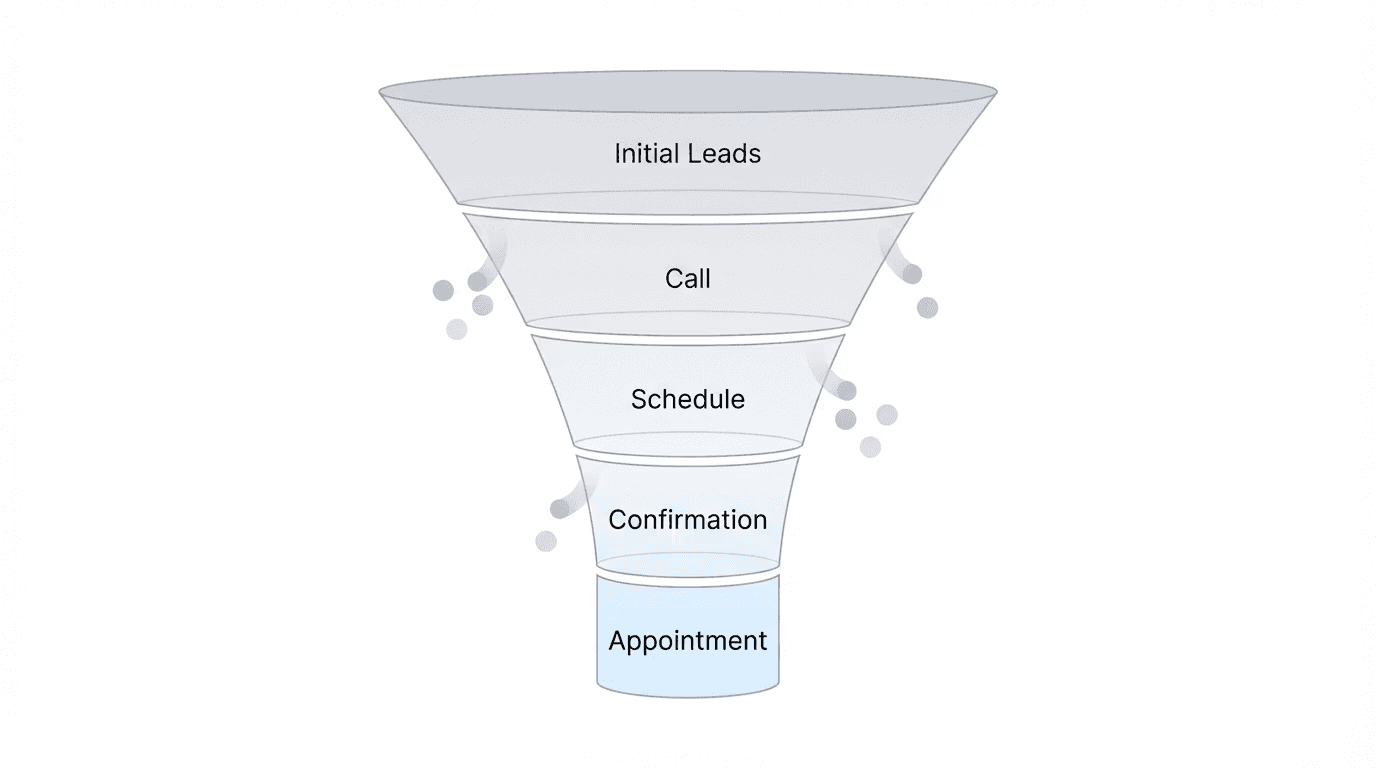
- A potential client calls after seeing a TV ad.
- The intake agent qualifies them and schedules a follow-up.
- The appointment is logged in one system.
- The lead is manually added to the CRM later.
- The automated confirmation and reminder sequence never triggers.
- The client receives no confirmation. No reminder. No explanation of next steps.
- They missed the appointment.
- The firm marks them as a no-show and moves on.
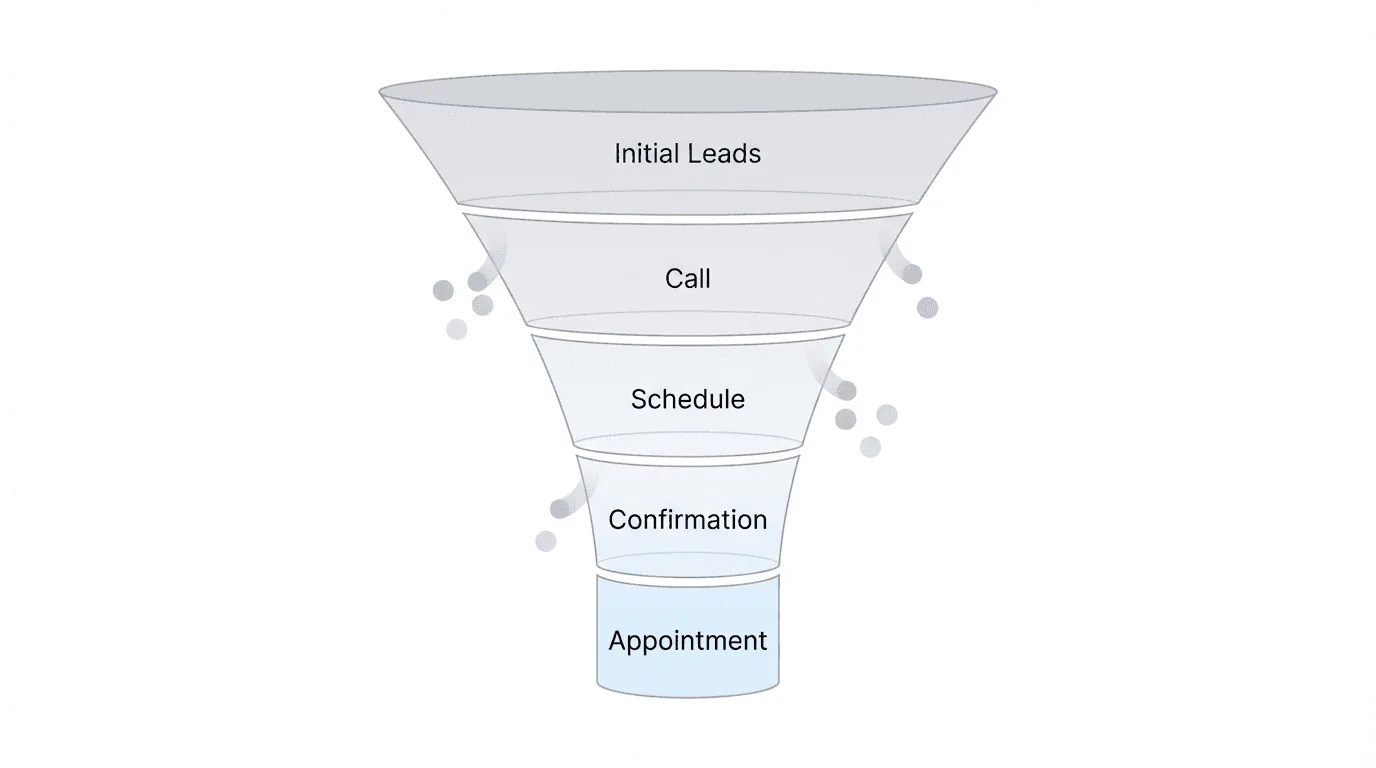
Across SSD firms we work with, intake-stage drop-off rates average 35 to 50 percent. In most cases, clients didn’t change their minds. The system simply failed to support them.
For SSD practices where clients may be dealing with cognitive impairments, chronic pain, or severe anxiety, these gaps hit harder. One missed reminder can mean a lost case.
Where Fragmentation Shows Up Most in SSD Practices
After working with hundreds of SSD firms, the same friction points appear again and again:
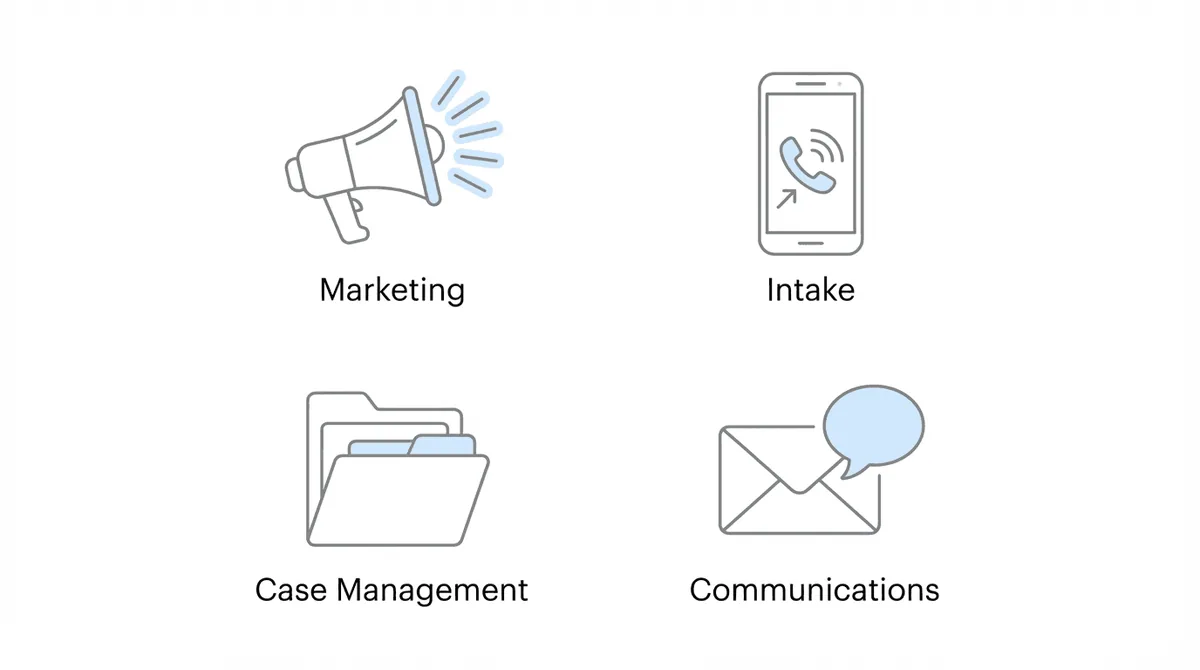
Marketing campaigns
TV, digital, SEO, and social are often handled by different vendors, each with different messaging, timelines, and calls to action. None connect cleanly to intake or case data.
Intake workflows
Scripts vary by agent. Some leads are entered immediately; others hours later. Follow-up automation fires inconsistently, if at all.
Case management systems
SSA communication patterns, hearing date changes, consultative exams, and ERE updates arrive unpredictably. When systems aren’t integrated, staff spend hours chasing updates or reconciling conflicting information.
Integrated platforms like Chronicle reduce this friction by providing near-real-time case updates (hearing dates, ERE decisions, win rates) so teams don’t have to manually piece together the truth from multiple portals.
Client communications
Emails, texts, and calls often live in separate tools. In one firm, clients received three different email sequences at once because intake, marketing automation, and case management workflows were all triggering independently.
The intent was good. The experience was chaotic.
The Real Financial Cost of Fragmentation
Fragmentation isn’t just inefficient; it’s expensive.
- Higher acquisition costs: firms routinely see CAC drop 30 to 40 percent after integration, without increasing marketing spend.
- Lower case completion rates: SSD cases unfold over months or years. Fragmented communication causes 20 to 35 percent of signed clients to disengage before resolution.
- Staff burnout: when systems don’t talk, staff absorb the friction. Manual data entry, angry client calls, missing information. Turnover rises, and the cycle repeats.
How SSD Firms Can Begin Integrating Without Burning It All Down
Integration doesn’t require replacing everything at once. It requires intention.
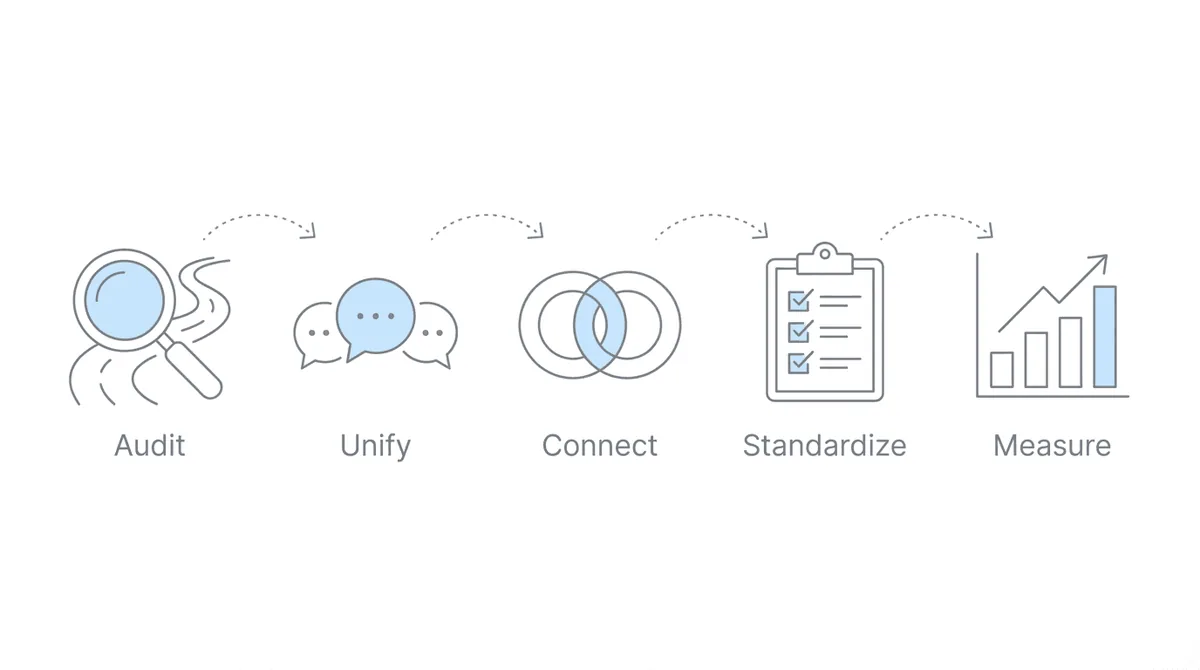
- Audit every client touchpoint: map the journey from first ad impression through hearing and decision. Identify where systems disconnect and where clients are left unsupported.
- Unify messaging across the firm: SSD clients should hear the same tone, expectations, and language from ads, intake, case managers, and follow-ups.
- Connect core systems: marketing, CRM, and case management must share data automatically. Manual entry is where errors and drop-offs begin.
- Standardize workflows: document intake and communication processes and use automation to enforce them.
- Measure what actually matters: track not just leads and calls, but intake completion, client retention, and case outcomes by source.
Integration Is the Difference Between Surviving and Scaling
Fragmented marketing and operations aren’t minor inconveniences. In SSD practices, they compound over time.
The firms that will lead this category won’t be the ones spending the most on ads. They’ll be the ones who align their systems to support vulnerable clients through a long, unpredictable process.
Integration isn’t about control for its own sake. It’s about replacing chaos with clarity.
For SSD firms ready to grow predictably, the next step isn’t more marketing. It’s fixing the systems that carry clients from the first call to final decision.
About the Author

Rodnie Silva is the Director of Sales and Service at Ascenda, formerly DL Marketing,, where he leads growth strategy, client experience, and the development of marketing and staffing solutions for SSD law firms. He has worked in online marketing since 2007 and previously helped scale one of the fastest-growing digital agencies in the industry. Since 2019, he has also served as a Fractional RevOps consultant, supporting companies with performance, systems, and revenue optimization.