
Ask any SSD software vendor whether it’s secure and you’ll get a yes. Ask whether it’s SOC 2 compliant, whether the data is encrypted and whether it sells client data, and you’ll get three more. The answers that separate vendors come from the follow-up questions: which company the audit report covers, who at the vendor can read your files, and whether a deletion window is a commitment or just how things usually go.
Below are nine questions a disability firm should ask before it uploads SSA files, medical records and Social Security numbers, with the follow-up for each and Chronicle’s answers. How free tools get paid for, referral programs and de-identification methods are covered in why is free software free?
What SSD Software Security Questions Should a Disability Firm Ask?
Ask nine questions across four areas (the audit report, encryption, data inside the product, and ownership and exit), and ask each follow-up in writing.
The audit report
1. Is it a SOC 2 Type II report, and whose name is on it?
- Then ask: Does it cover your company, or only your hosting provider?
- Chronicle’s answer: Chronicle has its own SOC 2 Type II report, issued to Chronicle Technology, Inc. It covers Chronicle itself, not only its hosting infrastructure.
2. Which trust criteria does it cover, and how often are you audited?
- Then ask: Which criteria does it leave out?
- Chronicle’s answer: The Security criterion, audited every year. It gives no opinion on availability, processing integrity, confidentiality or privacy.
Encryption
3. How is our data encrypted?
- Then ask: If you say “end to end,” who holds the keys?
- Chronicle’s answer: In transit and at rest, and the database is encrypted with AES-256. Chronicle doesn’t describe its encryption as end to end.
Data inside the product
4. Do you use our clients’ data to train AI?
- Then ask: What else is it used for?
- Chronicle’s answer: We do not use firms’ case data to train AI models. We do use aggregated, de-identified case data for educational industry trends, like our Know Your Numbers talk.
5. Do you sell or share our clients’ data?
- Then ask: Share with whom, and for whose use?
- Chronicle’s answer: We don’t sell a firm’s case or claimant data or share it for another company’s independent use.
6. Who can contact our clients?
- Then ask: Does anything reach a client that the firm didn’t choose to send?
- Chronicle’s answer: Chronicle never contacts a firm’s clients unless the firm sends the message through Dispatch.
7. Who on our team can see which clients?
- Then ask: Can access be limited per person?
- Chronicle’s answer: Restricted users see only the clients an admin assigns them. Every other role is all or nothing. View only users receive no notifications at all, individual or digest.
Ownership and exit
8. What happens to our data if we cancel?
- Then ask: Is the retention period a practice or a contract term?
- Chronicle’s answer: Export any time, at no fee. After cancelling, a firm has 30 days to request an export, fulfilled within 60 days. In practice, Chronicle deletes the data 90 days after cancellation.
9. Who owns your company?
- Then ask: Does any owner have its own interest in claimants? If the tool is free or comes with a membership, who pays for it?
- Chronicle’s answer: Chronicle is independently owned and is not owned or controlled by a law firm, insurer or association.
Your firm will repeat these answers to clients and new hires, and the duty behind them is the firm’s. ABA Model Rule 1.6(c) asks lawyers to make reasonable efforts to prevent unauthorized disclosure of, or access to, client information. The comments to Model Rule 5.3 name an internet-based service that stores client information as nonlawyer help outside the firm, which the lawyer must make reasonable efforts to keep compatible with the lawyer’s own obligations. Check your state’s version of both.
What Does a SOC 2 Type II Report Actually Cover?
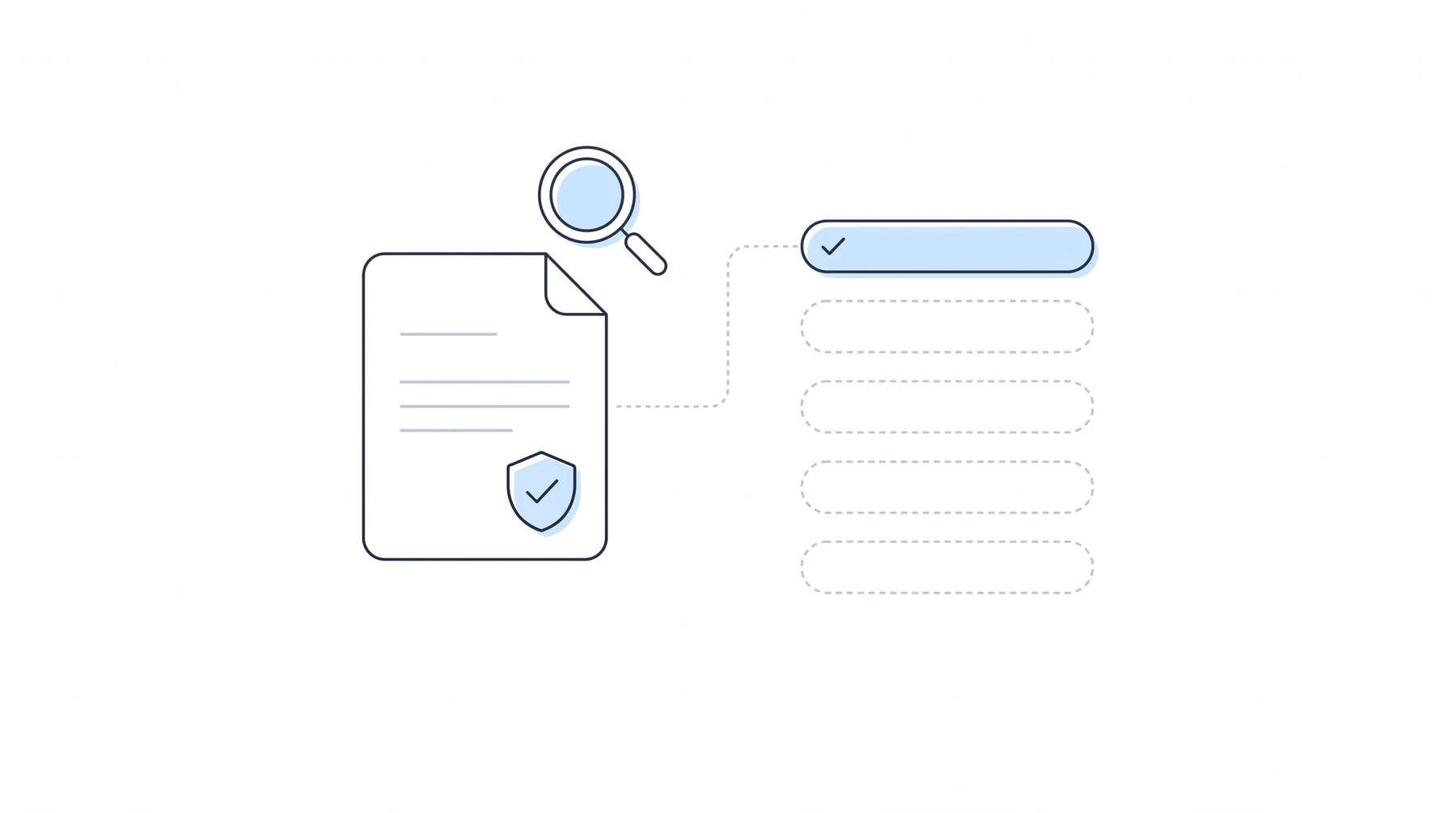
A SOC 2 Type II report is an independent auditor’s opinion on whether a company’s controls operated as described over a review period, measured against one or more of the AICPA’s five Trust Services Criteria. It covers only the company named on it, only the criteria listed in it and only the period tested.
Is SOC 2 a certification?
No. SOC 2 is an attestation: a CPA firm examines a company’s controls and issues a report. There is no SOC 2 certificate, so when a vendor says it is “SOC 2 certified,” ask which document it means. A badge on a website is the vendor’s summary of the report, not the auditor’s.
Whose name is on the report?
Software built on a large platform can point to the platform’s report, but that report tests the platform, not the vendor’s own staff, code or processes. Our comparison of whose name is on a SOC 2 report walks through why that gap matters for a disability file.
Which trust criteria does it cover?
The five categories are security, availability, processing integrity, confidentiality and privacy. Every SOC 2 report includes Security; the other four are optional. A Security-only report tests the controls that protect systems against unauthorized access and gives no opinion on uptime or privacy practices.
Type I or Type II, and how often?
A Type I report looks at how controls are designed on a single date. A Type II report tests whether they operated over a period, usually several months. The guide on how to evaluate legal software before you sign covers the difference and what to do when a vendor has neither.
Chronicle received its first SOC 2 Type I report in August 2024 and its first SOC 2 Type II report in May 2025. Firms doing due diligence can ask Chronicle for a copy of the report, which states the period tested.
What Does “Encrypted” Mean?
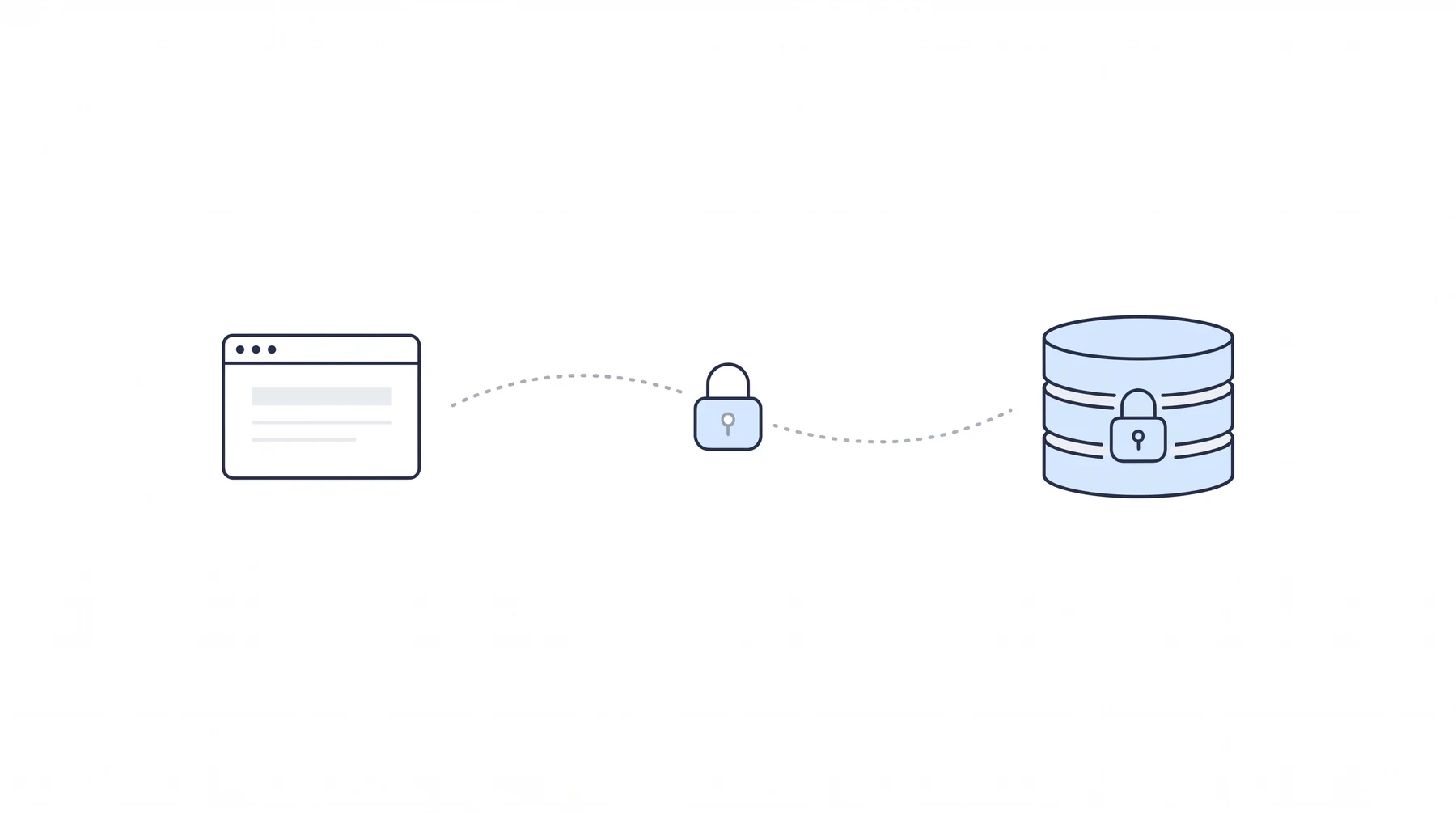
“Encrypted in transit and at rest” means data is protected while it moves over the network and while it sits in storage. It guards against interception and against a stolen disk. It doesn’t say who at the vendor can open your files; that is an access question, tested in the audit report.
| Term | What it usually protects | Question to ask |
|---|---|---|
| In transit | Data moving between your browser and the vendor | Is data encrypted in transit and at rest, or only one of the two? |
| At rest | Data stored on the vendor’s disks and databases | Which stores are encrypted, and with what? |
| End to end | Only the sender and recipient hold the keys; the service in the middle can’t read the content | Who holds the keys? If the software displays your documents to you, what does “end to end” refer to? |
| ”Military-grade,” “bank-level” | Nothing specific | Which algorithm, and on which data? |
Chronicle’s AES-256 encryption is a fact about its database, not a finding in the SOC 2 report.
What Happens to Client Data Inside the Product?
A Security-criterion audit says little about what a vendor does with your data, who can reach your clients or who on your own team sees what. The vendor’s written statements and its settings answer those.
What else is the data used for, and who receives it?
A vendor that answers only the AI question may leave out the use you’d most want to know about, so ask what else the data is used for. If the answer includes “de-identified,” the free-software guide explains what that word can and can’t promise.
“We never share your data” is rarely literally true for any software company, because hosting and other service providers handle data to run the product. Ask instead whether another company receives your clients’ data for its own purposes, get the answer in writing, and compare it with the vendor’s privacy notice.
Who can contact our clients?
With Chronicle Dispatch, Chronicle can automatically text clients when something happens on their case, using templates the firm customizes. Firms control which clients are enrolled, and a client who is not enrolled receives nothing, whatever channels the firm has switched on. Each firm texts from its own dedicated, isolated number. Chronicle records opt-outs, and clients a firm excludes by hand are never re-enrolled automatically.
Deborah Spector of Spector and Lenz, a Chronicle customer, on her firm’s line for denials:
Do we want a client to be notified that a case has been denied? No, we want to make that phone call.
Deborah Spector, Spector and Lenz
If your firm uses Chronicle’s Medicare Partners program, Medicare Partners receives a referral only when the firm chooses to make one. Nothing is passed along automatically.
Who on our team can see which clients?
Your own logins are often where access is loosest. Before Chronicle, Garza Law Firm’s SSA portal access ran through a shared login, with 2FA text codes passed between four or five staff members, and lockouts that took a call to Social Security to fix. At Disability Associates, all five team members now work cases in the ERE, where previously only the attorney did. Our guide to managing ERE 2FA codes across a team covers the options on the firm’s side.
What Happens to Your Data If You Cancel?
A full Chronicle export includes all of a firm’s client data, case status data and documents, as CSV files and PDFs. A cancellation export isn’t instant, so request it early.
The 90-day deletion is how Chronicle operates in practice; the legal terms are in Chronicle’s privacy notice. Ask every vendor which of its retention numbers are contract terms.
Who Owns the Vendor, and Why Does It Matter?
Ownership decides who might want your clients’ data for reasons of its own. A vendor owned by a law firm, an insurer or an association may answer to an owner with an interest in claimants, and no security report will show that.
Chronicle doesn’t accept ownership investment from customer firms and isn’t backed by venture capital. It works only with Social Security disability firms, and more than 180 SSD firms use Chronicle.
Price belongs in the same conversation. When a tool is free or comes bundled with a membership, someone else is paying for it, and that organization, or a related one, may have its own reasons to stay close to your clients. Ask who pays, and which organizations the terms and records releases name. Our guide to why free software is free walks through those questions using a current member portal offered “at little to no cost,” and our comparison of ACRD’s BSO tool and Chronicle starts from who builds each product.
Independence is about ownership, not an absence of partners, so also ask which partners, if any, receive client data.
Frequently Asked Questions
Is Chronicle SOC 2 compliant?
Chronicle has its own SOC 2 Type II report, issued to Chronicle Technology, Inc., and the audit covers the Security criterion. Chronicle is audited every year, and firms doing due diligence can ask for a copy of the report.
What does a SOC 2 Type II report actually cover?
It is an auditor’s opinion on whether one company’s controls worked over a review period. It covers only the company named on it, the Trust Services Criteria listed in it (Security is always one) and the period tested.
Does Chronicle use my clients’ data to train AI?
No. We do not use firms’ case data to train AI models; we do use aggregated, de-identified case data for educational industry trends.
What happens to my data if I cancel Chronicle? Can I export it?
A firm can export its data at any time, at no fee. After cancelling, a firm has 30 days to request an export, Chronicle fulfills it within 60 days, and in practice Chronicle deletes the data 90 days after cancellation.
Is Chronicle owned by a law firm or insurer?
No. Chronicle is independently owned and is not owned or controlled by a law firm, insurer or association.
What to Do Before Your Next Demo
Send the nine questions to every vendor on your shortlist in writing, before the demo, so the answers come back in words you can compare. When a SOC 2 report arrives, read the company name, the criteria and the period. Then check your own logins and roles, because the vendor’s controls only cover the vendor.
Firms evaluating Chronicle can ask for the report on a call, along with any of these nine questions.