
AROS, SSA’s new portal for appointed representatives, is due to reach every representative by December 12, 2026. It puts case status and fee payments on one dashboard you can search and filter. What it leaves out is the feature most firms heard about at NOSSCR: a way for staff to sign in on their own. SSA’s design documents push that to a later release, so the shared-login problem outlasts the launch.
The short answer: AROS (Appointed Representative Online Services) is the Social Security Administration’s new online portal for appointed representatives. It replaces the AARPS screens and gives representatives a dashboard, searchable case lists, claimant details and fee payment history. SSA’s filings scheduled a limited release for October 17, 2026 and full rollout by December 12, 2026. Case documents stay in the ERE until a later release, and the first release does not include MAGIC, SSA’s new tool for giving staff their own access.
What is AROS?
AROS (Appointed Representative Online Services) is SSA’s new online portal for representatives who handle Social Security disability claims. It replaces AARPS and, over time, the ERE screens representatives use today.
SSA described AROS at the NOSSCR Fall 2026 general session, in a presentation by Jay M. Ortis, Acting Chief, Disability Adjudication. SSA has also put the details in writing, in its filings with the Office of Management and Budget: a change request for the ERE third-party screens (OMB control number 0960-0767), a combined ERE and AROS filing (OMB control number 0960-0753), and a July 2026 AROS screen package showing the planned screens.
According to the filings, the rollout runs in two steps:
- October 17, 2026: a limited release to a small number of representatives while SSA tests the screens. AROS and AARPS run side by side.
- By December 12, 2026: AROS for all representatives. After that, SSA plans to retire the AARPS screens.
The long-run direction is one portal. Until then, plan on two: AROS for case status and fee payments, and the ERE for documents. Between October 17 and the AARPS retirement, it is three.
What will AROS include when it launches?
SSA’s filings say the first release carries over what AARPS shows today and adds an easier way to work with it:
- A dashboard: panels for initial and reconsideration cases pending and decided, recently scheduled and upcoming hearings (with date, time and modality, such as in person, online video, agency video or audio), hearing decisions and appeals decisions. SSA says the point is to let representatives see the most recent changes to case information at a glance.
- Case lists you can search, sort and filter: separate lists for initial and reconsideration, hearings and appeals, replacing the status-report spreadsheets you download today.
- Claimant details: claim type, case level, case status and status date, application date, alleged onset date, date last insured, the date the e-file last changed, and at the initial level, when the case went to DDS.
- Status report downloads: the hearings and appeals status reports stay available for download.
- Fee payments and business information: the same fee payment history and business details AARPS shows now, moved into AROS without changes.
What the first release leaves out matters more for planning:
- No e-file: the claimant detail screens carry a notice that e-file information will come in an upcoming release, and point you back to the ERE in the meantime. SSA said at NOSSCR that e-file is planned for later in 2027.
- No staff access controls: SSA’s July 2026 screen package says the first release has no link to MAGIC, SSA’s new access-management tool, and that users will not be able to view other representatives’ cases.
- Some forms, not all: SSA said at NOSSCR that some standard forms will be submittable through AROS. It did not say which ones or when.
Add those up and early 2027 looks like this. Documents stay in the ERE, while case status, fee payments and field-office case details move to AROS. Chronicle’s June walkthrough of ERE, AARPS and AROS anticipated a transition like this; SSA’s filings put dates and a scope on it.
AROS vs ERE vs AARPS: what each portal holds
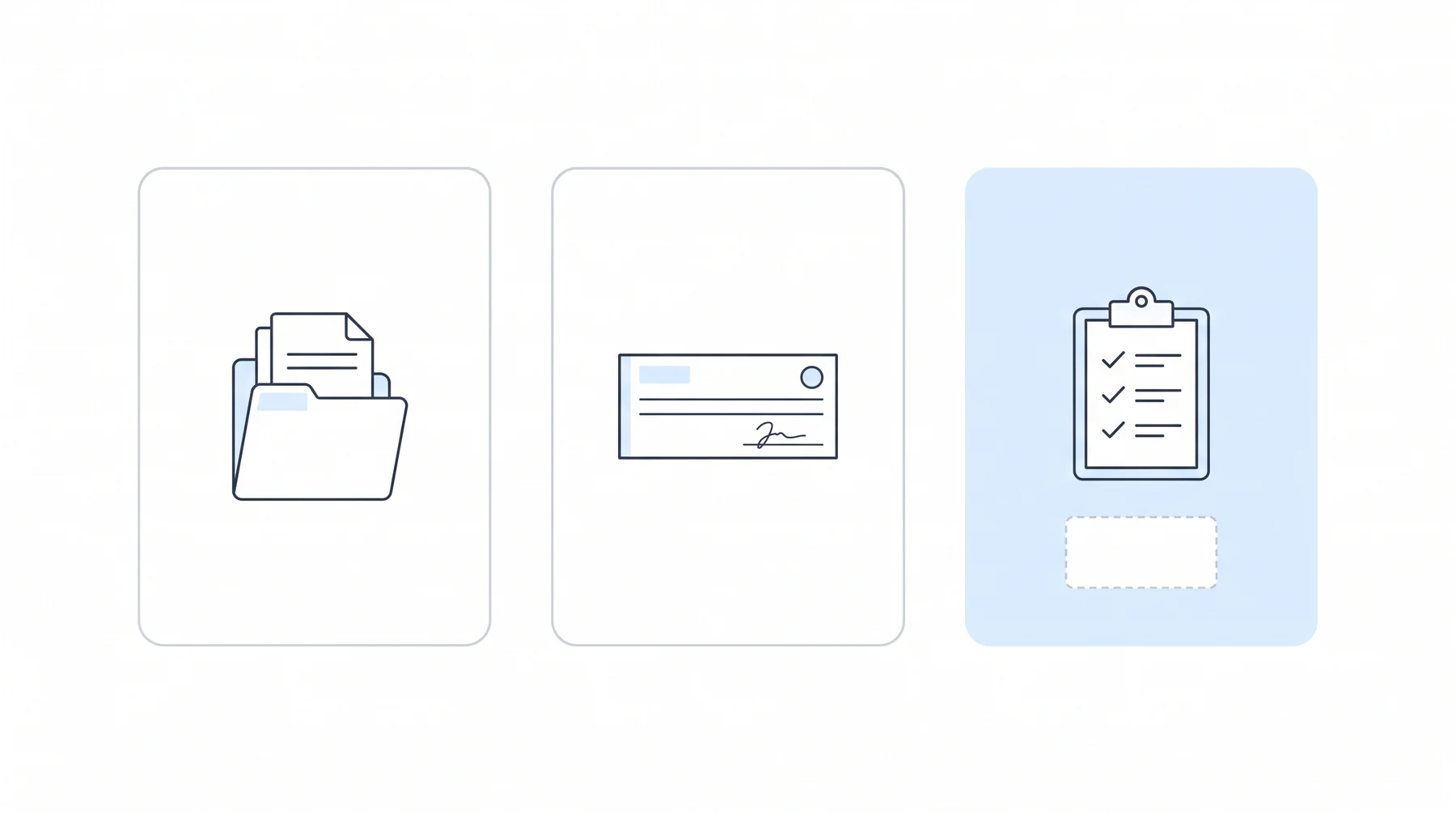
This table reflects SSA’s filings and NOSSCR presentation for AROS, and Chronicle’s June walkthrough for ERE and AARPS. Where SSA has not said, the cell says so.
| ERE | AARPS | AROS at launch | |
|---|---|---|---|
| Case documents (e-file) | View and download the e-file, and upload documents | No | No. Planned for a later release (2027, per SSA at NOSSCR) |
| Case status | Three status-report spreadsheets (hearing, appeals, initial and reconsideration) | Case assignment details at the field office level | Dashboard, searchable case lists and claimant details. Hearings and appeals reports still downloadable |
| Fee payments | No | Yes, fee payment history | Yes, carried over from AARPS unchanged |
| Field-office case details | No | Yes | Yes. SSA’s filings say AROS carries the current AARPS case information |
| Forms | Document and evidence uploads | None described | Some standard forms. Which ones: not yet announced |
| Sign-in | BSO (Business Services Online) account | Login.gov account | Login.gov or ID.me, through SSA’s eAccess sign-in |
| Staff access | Through the representative’s login, which firms often share | Through the representative’s Login.gov, which also opens that person’s personal federal accounts | Not in the first release, and each user sees only their own cases. Planned through MAGIC |
Two rows are worth a second look. Fee payments and field-office details are the data that pushed some firms into AARPS in the first place, and they move to AROS with it. And the staff access row is the one most firms were waiting for, and it is the one the first release leaves for later.
How will staff log in to AROS?
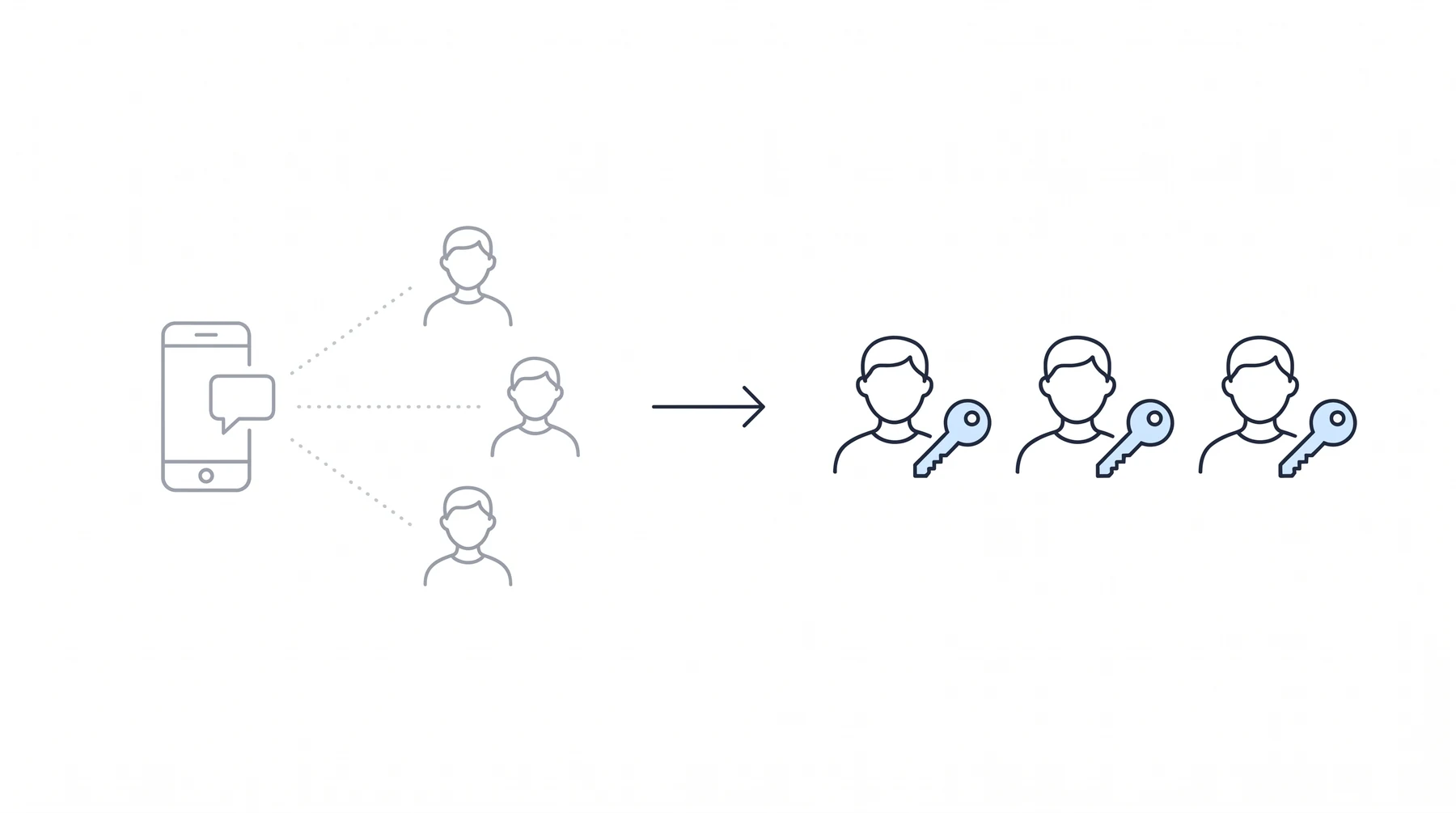
Not on their own sign-in, at first.
At NOSSCR, SSA said firm staff will be able to access AROS without sharing one login, through MAGIC. SSA’s screen package shows what that looks like: the header shows the signed-in user’s own name, a line reading “Showing for” the representative whose cases are on screen, a menu to switch between representatives, and a Manage Access link.
The same document says none of that is in the first release. There is no Manage Access link, and users cannot view other representatives’ cases. Staff access is designed and on its way. It is not in the first release, and no filing gives it a date.
That gap matters, because the shared login is the problem it is meant to solve.
In a lot of offices, the ERE has run for years on one representative’s credentials. Several people work off that login, and the two-factor code goes to one phone. At Garza Law Firm in Knoxville, four to five staff members shared one SSA portal login and passed text codes between them, and when the account locked, someone had to call Social Security to get the firm back in.
Firms put up with the workaround because the alternatives were slower. The tradeoffs of each option are covered in our guide to managing ERE 2FA codes across a team.
Why Login.gov raised the stakes
A shared ERE password exposes the ERE. A shared Login.gov account exposes the person. Login.gov is the identity hub the federal government uses across agencies, so the account a representative uses for AARPS is the same one tied to their own SSA, VA, TSA PreCheck and SBA accounts (which is why many firms left AARPS to the attorney, or never set it up at all).
AROS inherits the problem. It signs representatives in through SSA’s eAccess, using Login.gov or ID.me, and SSA named the risk itself at NOSSCR: a shared credential also opens other government services. Until staff access arrives, AROS is in practice a representative-only screen, and the pressure to share a credential that opens someone’s whole federal identity does not go away.
What is SSA MAGIC?
MAGIC (Management of Authorization for Government Users, Institutions, and Customers) is SSA’s new registration and authorization process for Business Services Online (BSO), the gateway representatives already use for the ERE. A September 24, 2026 Federal Register notice lays it out:
- It replaces IRES. SSA’s current BSO registration system, Integrated Registration Services, dates from the late 1990s and early 2000s and no longer meets federal identity requirements. SSA closed new IRES registrations in July 2025. Current IRES users will register again in MAGIC. SSA has not published a date.
- Each firm names a Responsible Entity Officer (REO). The REO is someone authorized to sign legally binding agreements for the firm. They create the firm’s MAGIC account and attest that they are responsible for all business the firm conducts in MAGIC and BSO.
- The REO can name administrators. Administrators can manage the firm’s MAGIC account on the REO’s behalf.
- The REO and administrators grant service roles. A service role lets a user do specific BSO business for the firm during a set timeframe, and either the REO or an administrator can revoke it. The notice says roles can extend to third-party organizations.
- Every user has their own credential. That covers the REO, administrators and service users alike, each verified through Login.gov or ID.me.
- SSA support can unlock or block accounts. REOs can ask an SSA technician to unlock or block a user’s account within the firm.
The notice is about BSO as a whole and does not mention AROS by name; the AROS link comes from SSA’s NOSSCR presentation and its screen package. Because the ERE also runs through BSO, MAGIC registration reaches your ERE access too, not only AROS.
For a firm, that means three things once MAGIC reaches AROS: each person on your team needs their own verified identity, one named person answers for who has access, and access is granted and revoked by role instead of by handing over a code.
That fixes the risky part of the old workaround. It does not change how many screens someone has to open to know where every case stands.
What SSA hasn’t answered yet
SSA’s filings settle some of the questions raised at NOSSCR. Several are still open, and most of them are about access.
When staff access arrives: the screen package shows MAGIC inside AROS, but no filing gives it a date. Until it lands, plan as if staff cannot get into AROS on their own sign-in.
Firms with more than one representative: in the first release, each representative sees only their own cases. The later design shows a menu for switching between representatives, one at a time, rather than one firm-wide list. A five-attorney firm should expect five separate views inside AROS, on top of the ERE.
Co-counsel cases: some firms contract hearing work to another firm, so a single case sits across two firms. SSA said at NOSSCR it is unclear how AROS will handle that. The MAGIC notice says service roles can extend to third-party organizations, but SSA has not said whether that covers co-counsel. If your firm sends or receives hearing work, list those cases now.
Which forms: SSA said some standard forms will be submittable. Which ones, and when, has not been announced.
Case-level limits on staff access: MAGIC answers who grants access and how it ends. It does not say whether an AROS role can be limited to certain cases.
Notifications: the AROS dashboard shows recent changes when you sign in. As of October 2026, SSA has not announced case-change notifications for AROS. Plan on someone still having to look.
How to prepare your firm before AROS launches
Most of this is housekeeping you can finish before December:
- Get each representative’s sign-in in order: AROS uses SSA’s eAccess, through Login.gov or ID.me. For AARPS today, the Login.gov account has to carry the same SSN and contact information as the representative’s ERE account, or the connection fails. If AARPS is any guide, that housekeeping is where setup stalls.
- Plan for fee payments to move: once AROS reaches everyone, SSA plans to retire the AARPS screens. Whoever checks fee payments in AARPS today will check them in AROS.
- Keep your ERE routine: documents stay in the ERE until e-file reaches AROS, planned for 2027.
- Pick your Responsible Entity Officer: MAGIC is not in the first AROS release, but it is replacing BSO registration. Decide who will sign for the firm and answer for its SSA online business, and who will be an administrator, before SSA asks.
- Map who needs access to which cases: write down every person who checks SSA portals today, which portal, and for which cases. That list is what MAGIC will need from you.
- Flag co-counsel and multi-representative cases: these are the cases most likely to show up oddly in AROS until SSA answers the open questions.
- Decide where AROS data lands: as of October 2026, AROS does not sync with case management systems. If case detail from AROS needs to reach your CMS, someone or something has to move it.
That last step is where we think a monitoring layer earns its place. Chronicle already checks ERE status reports about every two hours, pulls new e-file documents daily, and sends daily AARPS fee-payment notifications. It plans to bring AROS data into the same dashboard as ERE and AARPS, so firms keep one view of their cases.
The practical effect is that fewer people need the login at all. Magnolia Disability Law used to be limited to 10 ERE queries a day and called SSA weekly to restore access. Lance White, the firm’s founding attorney:
Over two years now, I haven’t made that phone call. Not once. I haven’t been locked out.
Chronicle is not a CMS. It monitors the SSA side while your CMS manages tasks and firm execution, and it has direct integrations with Clio, Filevine, Litify and Neos.
If your team is still passing a code around to check the ERE, start there, well before December.
Frequently asked questions
When does AROS launch?
SSA’s filings scheduled a limited release of AROS for October 17, 2026, with all appointed representatives expected to have it by December 12, 2026. After that, SSA plans to retire the AARPS screens. E-file viewing and uploading come in a later release, planned for 2027 per SSA at NOSSCR.
Does AROS replace the ERE?
Not at launch. AROS replaces the AARPS screens first. SSA’s filings describe AROS taking on the ERE’s case information, with e-file access and other ERE functions added in later releases, so the long-run direction is one portal. Until then, case documents stay in the ERE.
What is SSA MAGIC?
MAGIC (Management of Authorization for Government Users, Institutions, and Customers) is SSA’s new registration and authorization process for Business Services Online, replacing IRES. Each firm names a Responsible Entity Officer, who with any administrators grants and revokes service roles for staff. Every user signs in with their own Login.gov or ID.me credential. SSA plans to bring MAGIC into AROS, but not in the first release.
Do I need a Login.gov account for AROS?
You need Login.gov or ID.me. SSA’s filings say AROS signs representatives in through SSA’s eAccess, which accepts either. If your representatives already use AARPS, they have the Login.gov account they need.
Can my paralegals use AROS without my login?
Not in the first release. SSA designed AROS so staff can sign in under their own name and view cases for the representatives they work for, through MAGIC. SSA’s July 2026 screen package says that access is not in the initial release, and no filing gives it a date.
Do I still need Chronicle once AROS launches?
Most firms will still need Chronicle after AROS launches. Documents stay in the ERE while case status and fee payments move to AROS, each representative sees only their own cases, and Chronicle plans to keep it in one view. As of October 2026, AROS does not sync with a CMS, and SSA has not announced case-change notifications for AROS. AROS access is tied to individual Login.gov or ID.me accounts. Chronicle gives everyone who works your cases one view of SSA activity, with role-based permissions and no shared credentials.