
The Function Report Window Most Disability Firms Are Losing
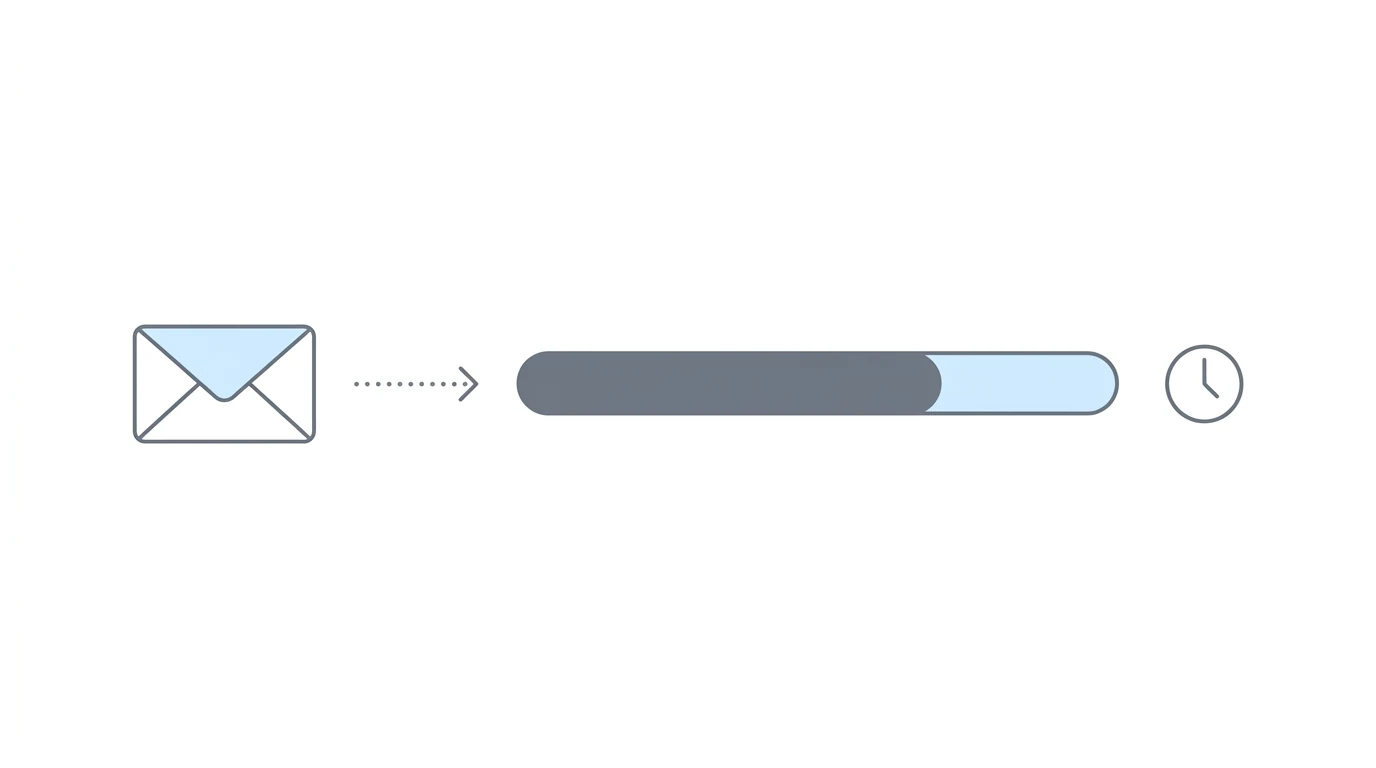
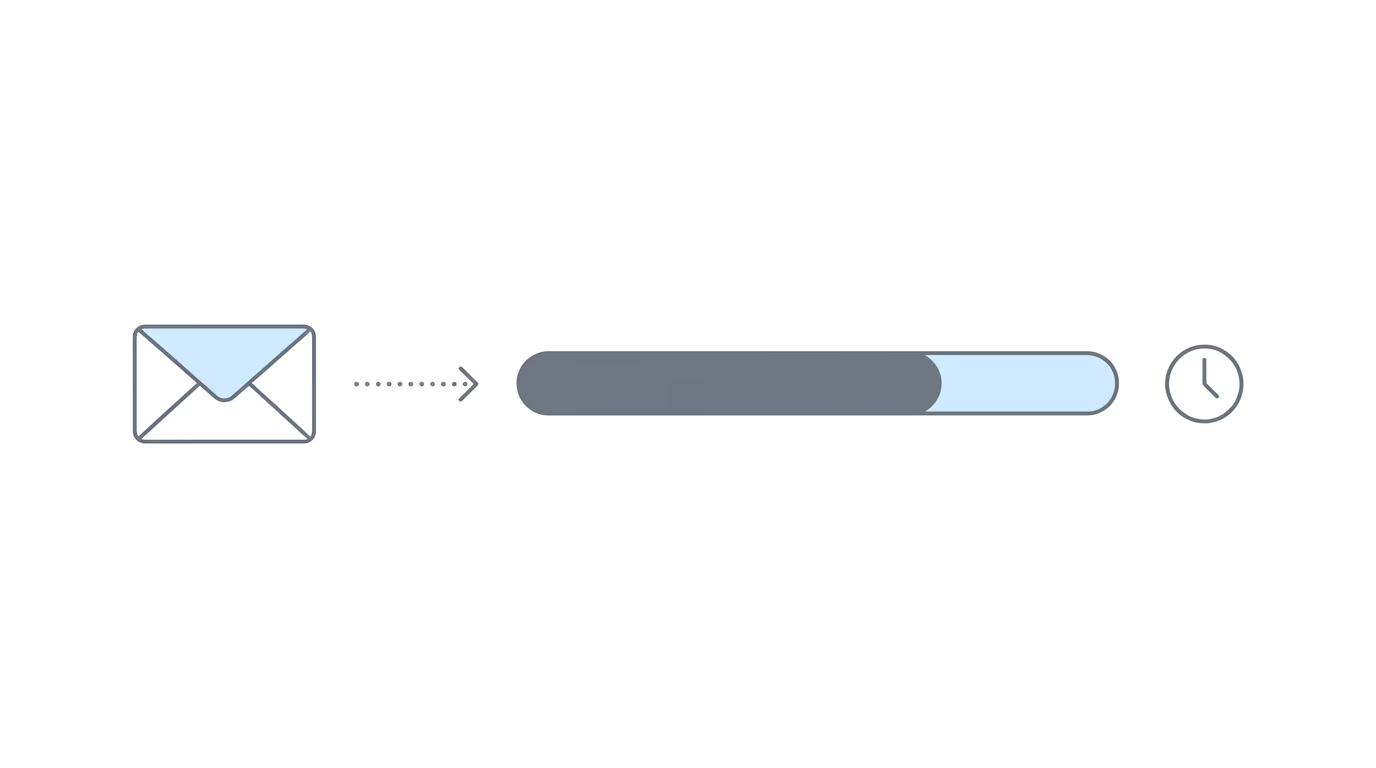
The official deadline for returning an SSA function report is 10 days. But 10 days is the window from when SSA sends the form, not from when your firm finds out the form was sent. Those are two different clocks, and for most disability practices, there is a gap between them.
SSA mails the paper form the same day it posts the request to the ERE. Standard USPS delivery takes 3 to 5 business days. If your firm’s first signal is a client calling to ask about a form they just received in the mail, you’re already 3 to 5 days into the countdown before anyone on your team has started a response. Strip out the time it takes to reach the client, explain the form, and get it completed and reviewed, and the effective window on that function report could be two or three days, not ten.
This isn’t a theoretical risk. It’s the operational default for firms that haven’t specifically built a detection system around function report requests.
Why the 10-Day Window Is Shorter Than It Looks
The function report documents a claimant’s daily activities, functional limitations, and physical and mental symptoms. It’s substantive evidence. ALJ panels and DDS reviewers read it closely. A late or missing function report doesn’t just create administrative overhead; it can trigger a denial or force a delay in a case that may already span years from initial application to resolution.
The mechanics of the time problem are straightforward.
SSA generates both the paper mailing and the ERE posting simultaneously. For firms relying on postal mail as the trigger, the effective window is: 10 days minus USPS transit time minus client response lag minus advocate review time. That math rarely produces a comfortable number.
Manual ERE checking adds a different kind of lag. If staff log into the ERE daily, detection happens within a day. If they log in a few times a week (common in busy practices), a function report request posted on a Tuesday afternoon might not surface until Thursday or Friday. That’s 2 to 3 days of the window gone before anyone takes action.
Neither of these is the worst case. The worst case is Tier 3.
Three Tiers of Function Report Detection
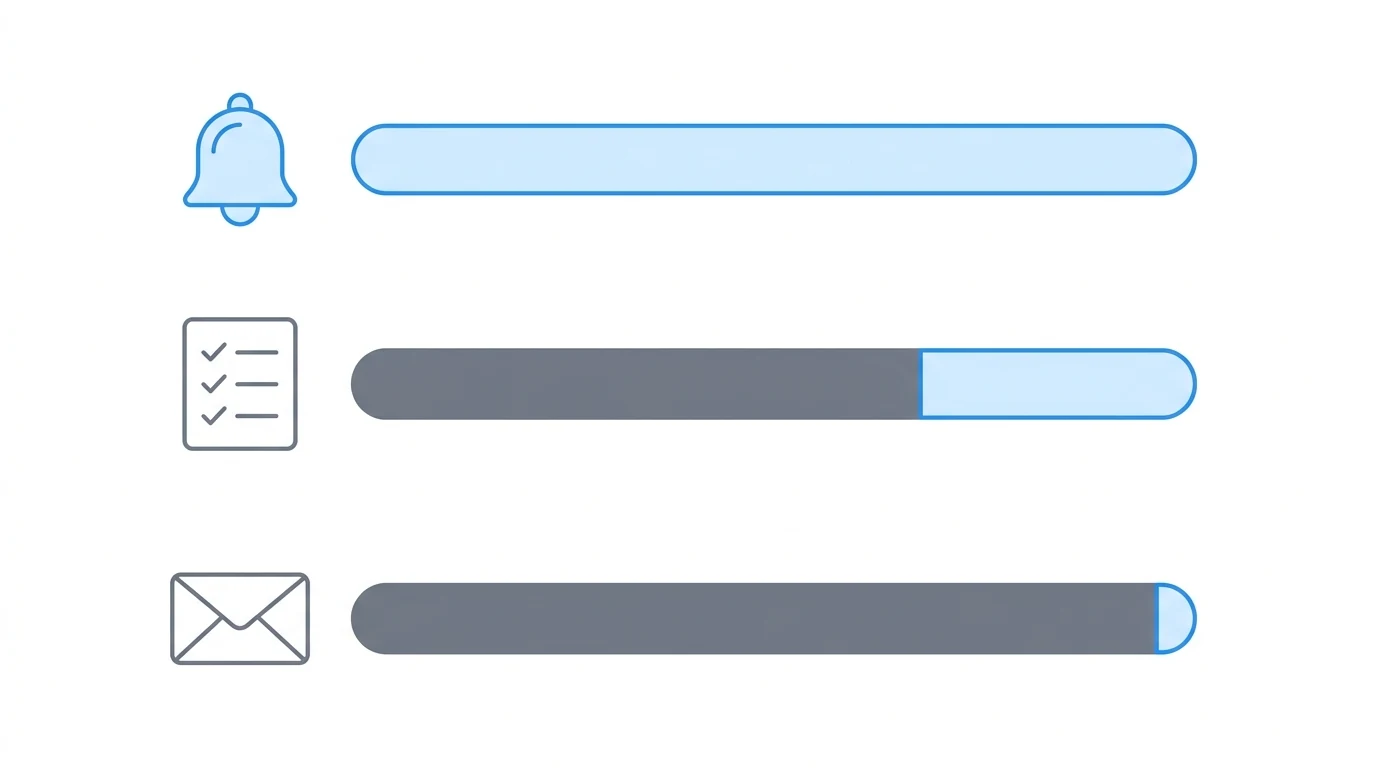
The difference between practices that rarely scramble on function reports and those that regularly lose days of the window comes down to where they sit on this detection spectrum.
Tier 1: Automated ERE detection. The system detects the function report request at the moment SSA posts it to the ERE. An advocate receives an alert in their workflow tool , not at the end of the day and not when a client calls, while there are still 10 full days to work with. This is the starting point that makes every downstream step more manageable.
Tier 2: Manual ERE checking. Staff log into the ERE on a schedule : once a day if the practice is disciplined, a few times a week if volume is high and ERE checks compete with other priorities. Detection lag sits between 0 and 4 business days depending on when the last check occurred. Manual checking also lacks an audit trail: if a form request slips through, it’s difficult to reconstruct whether the ERE was checked in the relevant window or simply wasn’t noticed.
Tier 3: Mail-dependent. The firm doesn’t know a function report has been requested until the client calls about a paper form they received. By that point, 3 to 5 days of the window are already spent, the client has been sitting with an unfamiliar SSA form for several days without guidance, and the form may already be misplaced or misunderstood. This tier is not an edge case; it’s the operational default for practices that haven’t built anything specific around ERE-based detection.
What Tier You’re in Determines the Stakes
Function reports are submitted mid-case, after the initial application has been filed and is under review at the initial or reconsideration level. SSA sends them when a claims examiner needs more information about how a claimant’s conditions affect their ability to function day-to-day.
The timing matters because SSA case timelines are long. For many applicants, the process from initial application to final resolution spans years. A missed function report deadline at the initial level can force a denial that triggers the full reconsideration and appeal cycle, adding months or more to a case that was already moving slowly. Even a late function report that SSA accepts can create documentation gaps that complicate the record at hearing.
For firms with 200, 400, or 600 or more active cases, the odds of a function report request arriving during a high-volume ERE week are not low. The practices that consistently close function reports on time have typically treated detection as a system problem, not a task management problem.
How the Chronicle and Benny Integration Closes the Window
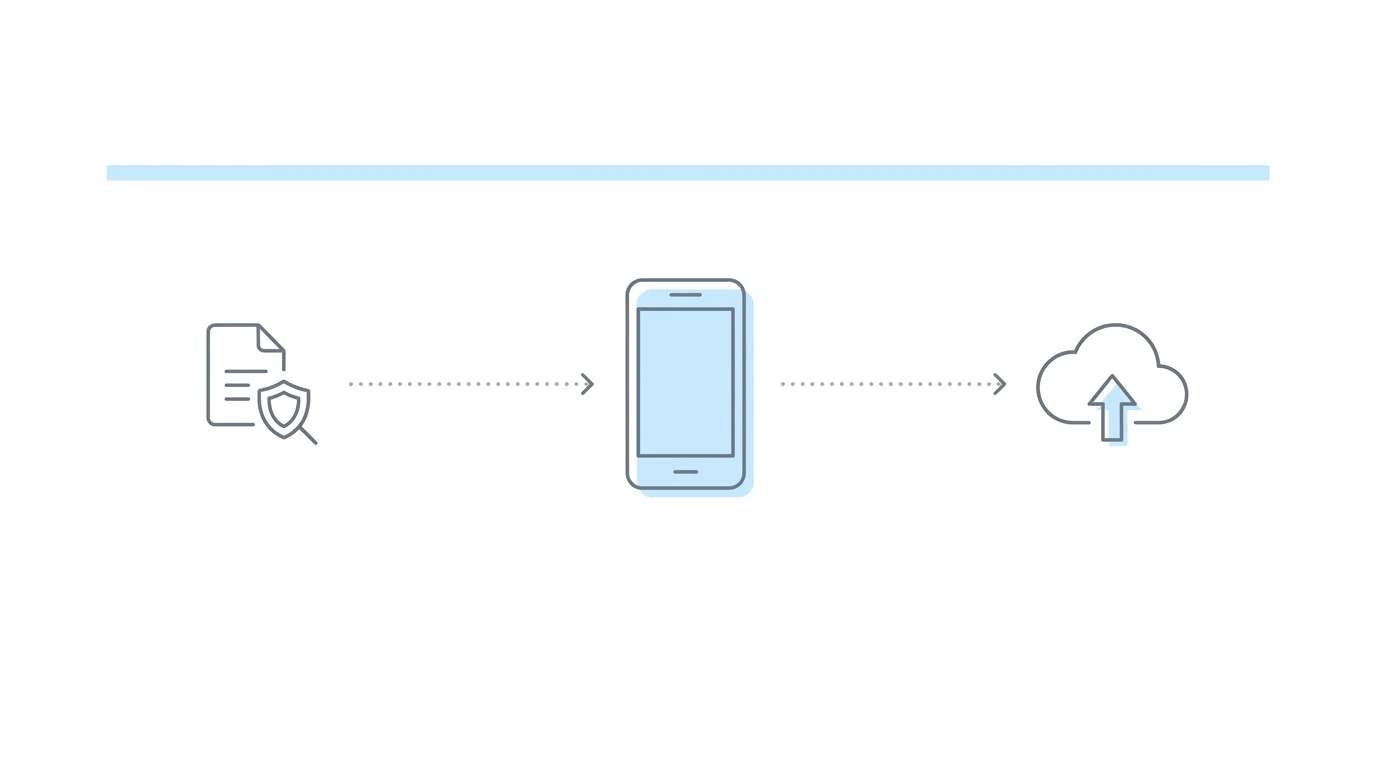
Chronicle automatically checks the SSA’s Evidence and Case Status portal (the ERE) and the e-file for changes across a firm’s cases. When SSA posts a function report request to the ERE, Chronicle detects it immediately and alerts the advocate.
The integration with Benny picks up from there. Once the advocate receives the alert in Chronicle, they can initiate delivery of the digital function report directly to the client through Benny. If the client is already in Benny, this is a single action from the Chronicle case view. If the client isn’t yet in Benny, the advocate enters a name, email, and phone number first, then sends.
Benny sends the client a link via text and email. The client completes the form on their phone: entering their conditions, recording a narrative of their limitations, and reviewing AI-generated suggestions that connect their stated symptoms to the specific function report fields. The review step is built into the workflow: advocates receive a notification when the client finishes, review the completed form, and click to upload to ERE via Chronicle. Nothing goes to SSA without explicit advocate approval.
On completion rates: James Vancel, co-founder of Benny, reported at Chronicle’s March 2026 integration event that initial applications sent through Benny see roughly 90% completion from invite, with about 40% completing same day and the remainder within a week. He noted that function reports (which are shorter and require less documentation gathering) follow similar patterns with typically faster turnaround, usually 10 to 15 minutes for clients to complete.
Two constraints apply to this integration.
The Chronicle + Benny integration currently covers function reports only. Work history questionnaires are not yet supported through Chronicle-triggered sends. Firms looking to automate work history questionnaire handling will need to manage that form type separately for now.
The one-click send works when the applicant is already in Benny. For clients who aren’t yet in the system, advocates enter contact information first. This adds a short step, but the detection benefit (knowing about the request immediately rather than 3 to 8 days later) applies regardless of whether the client is a new or returning Benny user.
What If Your Firm Relies on Manual ERE Checking?
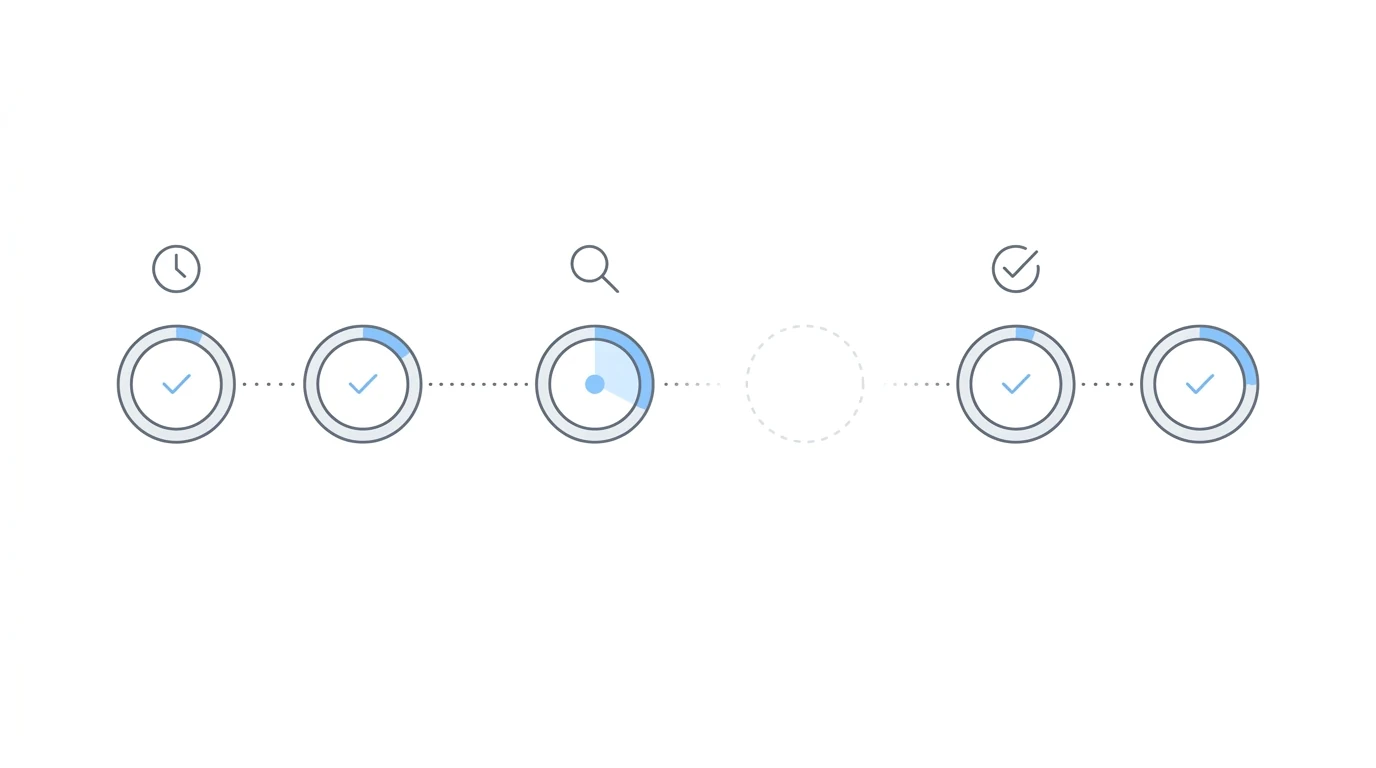
Manual ERE checking is meaningfully better than relying on client mail. Detection depends only on when staff logged in, not on USPS transit time and client notification lag combined. For small practices with predictable case volumes, daily manual checks can be sufficient.
But the risks compound in specific ways. Staff turnover disrupts checking schedules without a system to enforce continuity. High-volume weeks create pressure to defer non-urgent tasks, and manual ERE checks can slide when hearings and filings are competing for attention. There’s also no audit trail: if a function report request surfaces late, there’s no record of what the last check covered or when it happened.
The question worth asking isn’t whether your team checks the ERE. It’s whether the check is systematic enough to be reliable when conditions aren’t ideal: when the person who usually does it is out, when volume spikes, when a holiday falls mid-week.
What to Do Now
-
Map your current detection method for function report requests. Is it automated ERE monitoring, scheduled manual checks, or mail-triggered?
-
Estimate your real detection lag. Think back to the last function report request your firm received. When did SSA post it to the ERE, and when did your team first learn about it?
-
Count the effective window. If detection took 3 days and client response took 2, you had 5 days to produce a reviewed, uploaded function report, not 10.
-
If you use Chronicle, check whether the Benny integration is enabled in your settings. It requires the Chronicle Pro plan and a Benny account; setup requires generating an API key in Chronicle settings.
-
If you’re not on automated ERE detection, assess whether your current stack gives you any protection against Tier 3 scenarios, and what changes would move you toward Tier 1.
Frequently Asked Questions
How long do disability claimants have to return a function report?
SSA typically gives claimants 10 days from the date on the request letter. For the representative, the practical window is shorter: it starts from when the ERE posts the request (which happens the same day SSA mails the form), not from when the firm learns about it.
What happens if a disability claimant misses the function report deadline?
SSA can make a determination based on the existing record, which typically disadvantages claimants. A missing or late function report may result in a denial at the initial or reconsideration level, requiring the full appeal cycle. In some cases SSA may grant a brief extension if the representative contacts the field office before the deadline passes.
Can disability firms automate function report detection?
Yes. Chronicle monitors the ERE and alerts advocates the moment SSA posts a function report request. Combined with the Chronicle + Benny integration, firms can detect the request and deliver the digital form to the client before the paper version arrives in the mail. This integration currently covers function reports specifically; work history questionnaire automation is not yet part of the Chronicle + Benny workflow.
Chronicle makes the ERE usable at scale and keeps disability firms ahead of SSA-driven deadlines and events. If you’re on the Pro plan and haven’t enabled the Benny integration, the setup guide is at the Benny integration setup guide.