
This post was originally published on March 4, 2024 and was then updated on January 29th, 2026.
Switching ERE monitoring software is a real decision with real operational stakes. Your team has workflows built around Atlasware. Cases are in progress. Changing tools mid-stream feels risky.
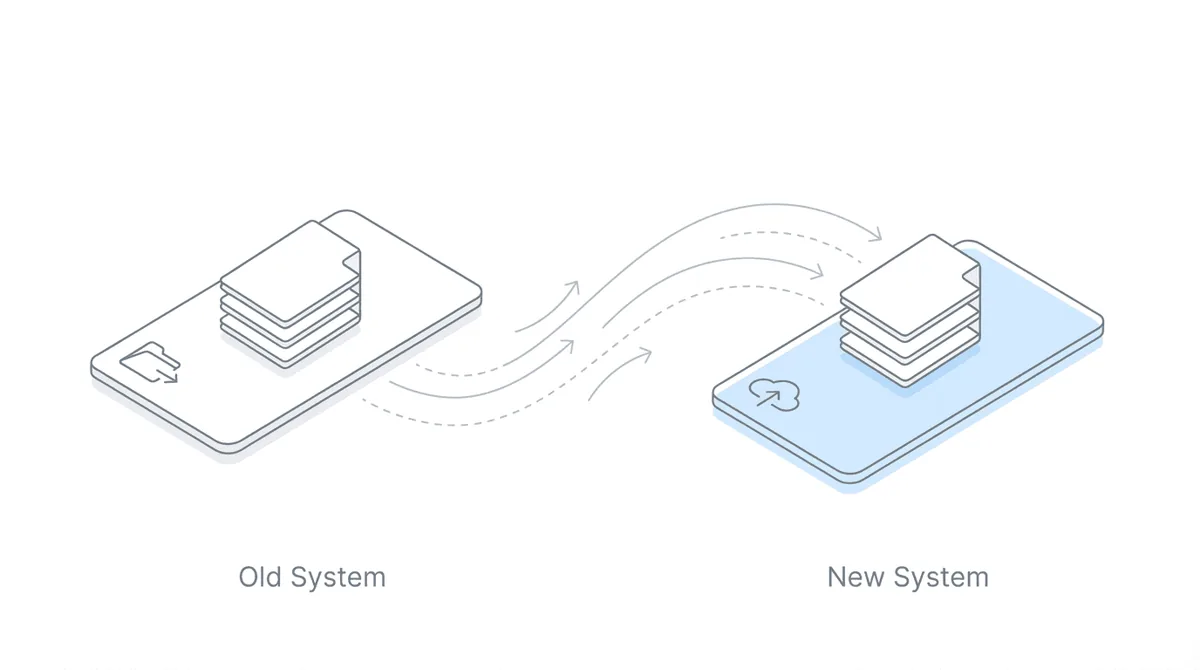
Firms switch from Atlasware to Chronicle regularly. The transition is less disruptive than most expect. The key is understanding what actually changes, what stays the same, and how to run both tools in parallel until you’re confident in the switch.
This guide covers why firms make the move, what the operational differences look like in practice, and how to transition without disrupting active cases.
Why Firms Switch from Atlasware
The decision to switch usually isn’t about Atlasware being broken. It’s about operational fit. Atlasware and Chronicle were built for different workflow priorities, and firms outgrow one model as their needs evolve.
Hearing Prep vs Full-Lifecycle Coverage
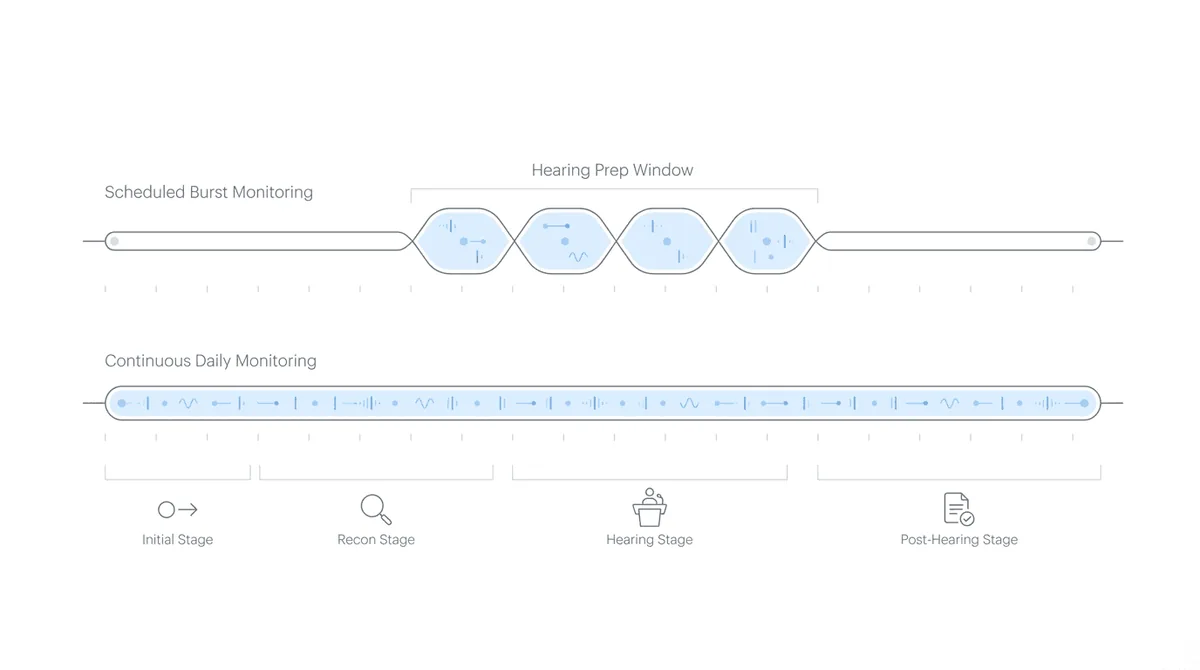
Atlasware, now part of Assure Disability, was built around hearing preparation. The platform excels at creating exhibit packets, OCR processing, and organizing documents for the hearing window. Typically, Atlasware pulls the e-file three to five times on a scheduled basis leading up to a hearing.
That model works if hearing prep is your firm’s primary operational focus. Many firms manage cases actively from initial application through post-hearing, though, and the gaps between scheduled pulls create blind spots. If the SSA posts a questionnaire on Tuesday and your next scheduled download is Friday, you might not see it until the deadline has compressed. Staff don’t find out until they’re already behind.
Chronicle was built around daily ERE monitoring across all case stages. The platform checks every monitored case daily, surfacing new documents, status changes, questionnaires, and notices regardless of where the case sits in the lifecycle. Initial applications get the same visibility as hearing-stage cases.
The question isn’t which tool is “better.” It’s whether your operational model centers on hearing prep bursts or continuous lifecycle visibility.
CMS Flexibility
Atlasware integrates natively with Prevail, the widely-used SSD case management system now owned by Assure. If your firm runs Prevail and plans to stay there, that integration is convenient.
For firms using other CMS platforms, the picture changes. Atlasware offers a simple connection to Litify, but firms running Filevine, Clio, MyCase, or other systems face limited options for automated data flow. Data ends up getting entered twice, or someone builds workarounds in spreadsheets.
Chronicle was designed to be CMS-agnostic. Native integrations exist for Filevine, Clio, and MyCase. For systems without native connections, Zapier enables automated workflows using Chronicle’s notifications as triggers. At Viner Disability Law, the firm built automations connecting Chronicle to Clio via Zapier; Chronicle emails trigger case updates directly in their CMS without manual data entry.
This matters if you value flexibility or might change CMS platforms in the future.
Monitoring Frequency
Daily monitoring frequency is the single biggest operational difference. Chronicle checks the ERE every day for each monitored case. Atlasware operates on a scheduled model tied to hearing prep workflows.
The SSA doesn’t notify firms when it posts documents to the ERE. Physical mail eventually arrives, but delivery times vary. A 10-day deadline notice that shows up on day 8 puts your team in scramble mode. Daily monitoring catches those notices earlier, giving staff time to respond without the last-minute rush.
What Actually Changes When You Switch
Understanding the concrete operational differences helps set realistic expectations. Some things change substantially; others barely change at all.
What Changes
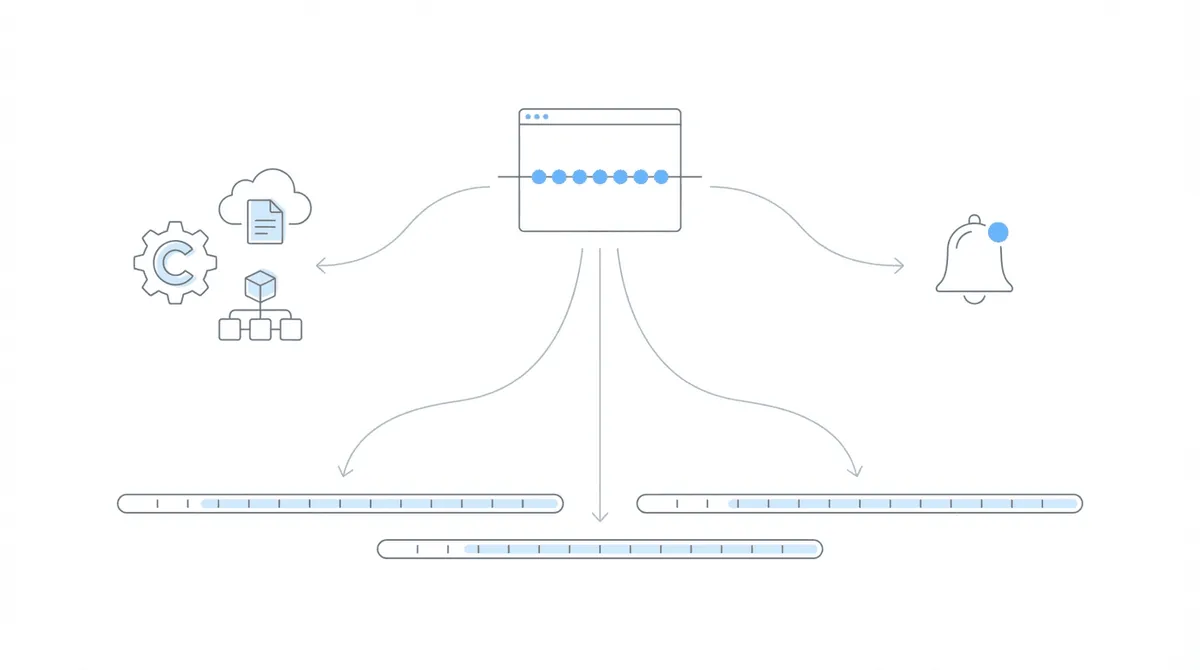
Monitoring rhythm shifts from scheduled to daily: instead of e-file pulls tied to hearing prep windows, Chronicle checks every case every day. Staff stop wondering whether something was missed between downloads.
Lifecycle coverage expands: initial applications and reconsiderations receive the same monitoring attention as hearing-stage cases. Firms managing cases across all stages get consistent visibility throughout.
CMS integration options broaden: if you’re not on Prevail, you gain native integrations with Filevine, Clio, and MyCase, plus Zapier connectivity for other systems.
Alerts become daily and reliable: Chronicle notifies the firm within 24 hours when the SSA posts updates. Status changes, new documents, questionnaires, and hearing events all surface consistently.
Additional tools become available: Chronicle includes medical chronology generation, hearing transcripts, and a firm-wide dashboard. These may or may not matter to your workflow, but they’re included.
What Stays the Same
Document access works the same way. Both tools connect to the ERE and let you download case files and upload documents.
OCR and PDF processing exist in both. Atlasware has mature exhibit packet generation. Chronicle OCRs and organizes documents as well, though the workflow differs.
Your cases don’t change. The SSA doesn’t know or care which tool you use. Switching monitoring software doesn’t affect case status, deadlines, or anything substantive about your matters.
What You Might Miss
Atlasware’s exhibit packet workflow has years of refinement. Firms that rely heavily on its specific document organization and bookmarking might need to adjust to Chronicle’s approach. The capability exists, but the workflow isn’t identical. (Most firms adapt within a week or two, but the first few hearing preps feel different.)
If your firm uses other Assure services like brief writing, hearing coverage, or medical record retrieval, those are separate products that don’t require Atlasware. You can continue using Assure services while monitoring through Chronicle.
Real Switching Stories
Firms that have made the transition provide the clearest picture of what to expect.
Anderson Marois & Associates
Anderson Marois & Associates in St. Petersburg, Florida ran Atlasware through its acquisition by Assure. When they evaluated Chronicle, the response was immediate.
“I was sold immediately. I had been a person who had been from Atlasware to Assure for as long as it existed. It was not a hard decision to make. The product was just superior.”
The firm manages 300-350 active cases with a small team: one attorney, two advocates, and two support staff. After switching, staff began monitoring Chronicle multiple times per day, flagging status changes and triggering workflow steps without waiting for attorney oversight.
One operational shift stood out. The firm can now file appeals without waiting for denial letters to arrive by mail. “We don’t even have to wait for a denial letter. We can enter the date of the denial, download whatever denial document it is and get that appeal filed…”
Anderson Marois & Associates reported 15-20% less admin work and 10-15% more new case intake after the switch. The intake increase came without additional hiring.
The support experience also differed. “Nikhil (Chronicle’s founder) wanted to listen. He didn’t just want to sell me something. He really wants to make our work better.”
Running Atlasware and Chronicle Together
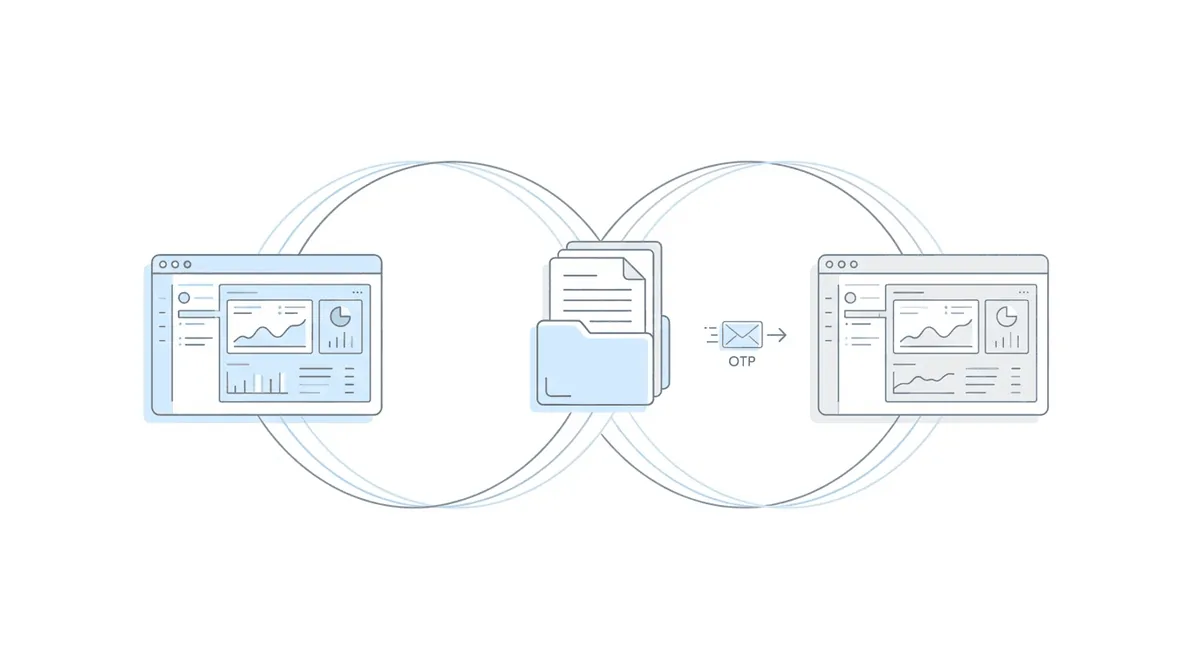
The lowest-risk way to switch is running both tools in parallel during transition. This lets your team experience Chronicle’s workflow without abandoning Atlasware until you’re confident.
Some firms run both Assure and Chronicle simultaneously for extended periods, using each tool for different purposes.
Step 1: Set Up OTP Forwarding
Add your Chronicle number to Atlasware to forward One-Time Passcodes. This enables both systems to access the ERE simultaneously without requiring separate authentication steps.
Step 2: Start with Status Monitoring
Begin using Chronicle for status report notifications and the firm-wide dashboard. This phase is free and lets staff experience daily monitoring without changing document workflows.
Step 3: Add Cases Gradually
Rather than migrating your entire caseload at once, add cases to Chronicle as they reach natural transition points. New intakes, cases completing hearing prep, or cases entering initial/recon monitoring are good starting points.
Step 4: Shift Primary Workflow
Once staff are comfortable with Chronicle’s interface and monitoring rhythm, shift your primary workflow. Most firms complete this transition within two to four weeks.
Step 5: Historical Data
If you want historical case data in Chronicle for analytics (win rates by ALJ, historical patterns), download your past status reports from Atlasware and email them to Chronicle support. They’ll load historical data into your system.
Common Concerns About Switching
Will I lose my historical data?
No. Case data lives in the SSA’s system; monitoring tools access it rather than storing it exclusively. Documents downloaded through Atlasware remain in your files. Chronicle can begin monitoring cases immediately and, optionally, load historical status reports for analytics.
What about cases already in hearing prep?
Continue using Atlasware for cases deep in hearing prep if that’s more comfortable. Add those cases to Chronicle monitoring simultaneously so you experience both workflows. Most firms find the parallel period clarifies which approach they prefer.
How long does setup take?
Chronicle’s onboarding typically takes a 15-minute setup call. A one-to-two-week trial period with 10-20 cases lets your team experience the workflow before committing. Staff training runs about 30 minutes. (Some teams finish training faster if they’re already familiar with ERE workflows.)
What if my team resists the change?
The parallel operation period addresses this. Staff can use both tools and form their own opinions. At Disability Attorney Services LLC, the feedback after implementing Chronicle was direct: “If we took Chronicle off the table, there would be a small revolution. All the staff people love using it.”
What about cost?
Chronicle guarantees to beat Assure’s pricing. The platform uses a pay-as-you-go model at $5 per client, so you’re not locked into annual contracts or paying for features you don’t use.
Making the Decision
When to Switch
Consider switching if:
Your firm manages cases across all stages: if initial applications and reconsiderations matter as much as hearing prep, full-lifecycle monitoring provides consistent visibility that scheduled pulls miss.
You use a CMS other than Prevail: Chronicle’s native integrations with Filevine, Clio, and MyCase, plus Zapier connectivity, offer flexibility that Atlasware’s Prevail-centric model doesn’t.
Monitoring gaps have caused problems: if questionnaires have been missed between scheduled downloads, or staff have been surprised by notices that sat undetected in the ERE, daily monitoring addresses that failure mode.
You value CMS flexibility: if you might change case management systems in the future, avoiding vendor lock-in matters.
When to Stay with Atlasware
Atlasware may still fit if:
Your workflow genuinely centers on hearing prep: if earlier case stages run on autopilot and your operational focus is concentrated in the hearing prep window, Atlasware’s model aligns with that rhythm.
You’re embedded in the Assure ecosystem: if you use Prevail, Assure brief writing, hearing coverage, and other Assure services, and you prefer dealing with a single vendor, staying within that ecosystem reduces friction.
Exhibit packet generation is critical: if your workflow depends specifically on Atlasware’s document organization and bookmarking features, evaluate whether Chronicle’s approach meets your needs during the parallel operation period.
Next Steps
The practical path forward is to try both tools in parallel. Add your Chronicle number to Atlasware for OTP forwarding, start monitoring a subset of cases through Chronicle, and let your team experience the operational difference firsthand.
For firms ready to evaluate, Chronicle’s ERE monitoring provides the daily visibility that keeps cases from slipping through cracks.
The goal isn’t to pick a “winner.” It’s to match your monitoring tool to how your firm actually operates. If full-lifecycle visibility and CMS flexibility matter, Chronicle fits that model. If hearing prep is your singular focus and you’re comfortable in the Assure ecosystem, Atlasware remains capable.
Either way, the parallel operation approach lets you decide based on experience rather than speculation.