
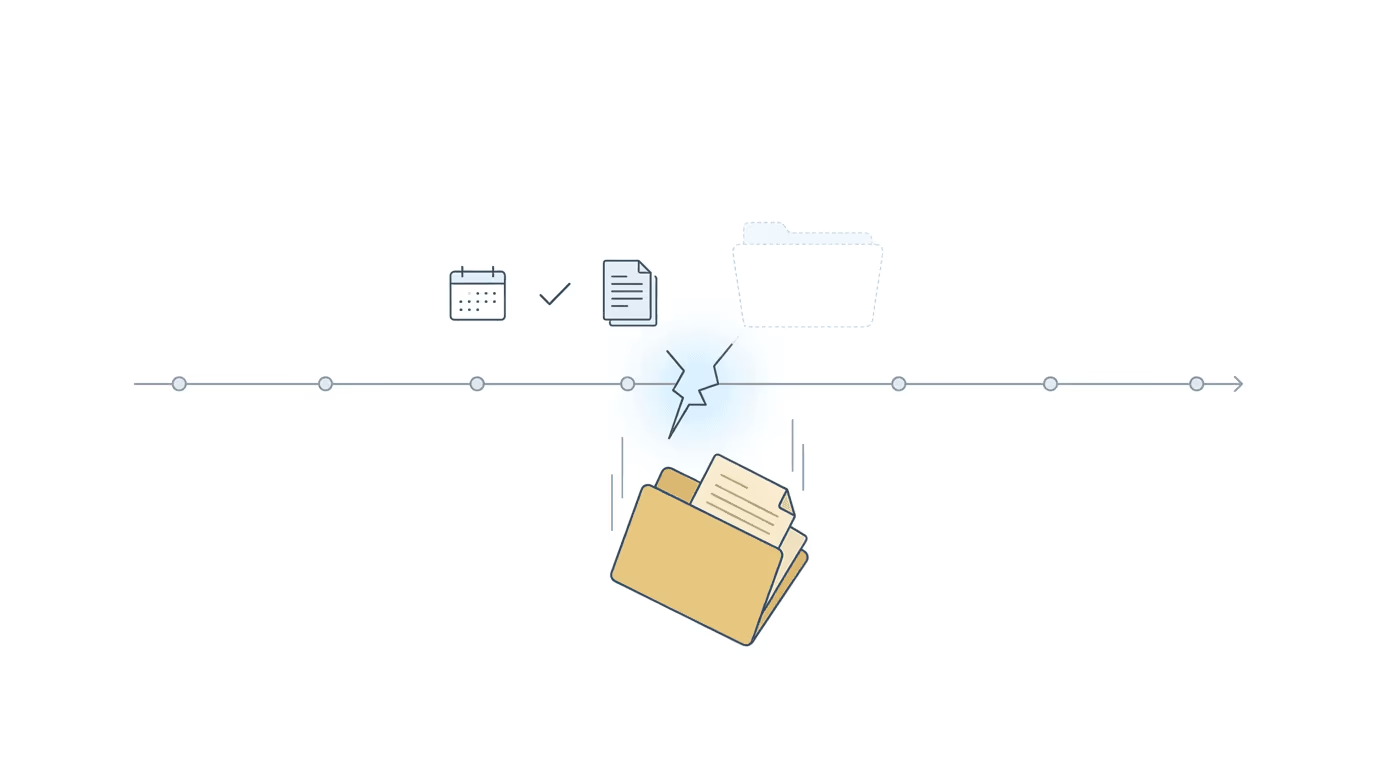
Missing an SSA deadline can mean losing a client’s appeal rights entirely. In the worst case, it forces a new application, resetting the clock on months or years of progress and reducing the back pay a client would eventually receive. Here’s what actually happens when a deadline slips, which deadlines carry the most risk, and how firms build systems to make sure it doesn’t happen.
The 60-Day Rule and What It Means
Most SSA deadlines follow the same structure: 60 days from the date of the decision notice, plus 5 additional days assumed for mailing. That gives a firm 65 days from the date on the notice to file a response: an appeal, a request for reconsideration, or a request for hearing.
Miss that window and the decision becomes final. The SSA considers the matter closed. The claimant’s options narrow sharply:
- File a late appeal with “good cause.” The SSA may accept a late filing if the firm can demonstrate a valid reason: serious illness, a natural disaster, misleading information from SSA, or the appeal being sent to the wrong office in good faith. Administrative error on the firm’s part generally doesn’t qualify. Good cause determinations are discretionary, and denial means starting over.
- Reapply from scratch. A new application means the claimant re-enters the queue. Processing times vary, but initial determinations commonly take 4–8 months. If the original claim had been at the hearing level, the client loses all progress toward that hearing and potentially years of accumulated evidence-building.
Neither option is good. Both cost the client time and money. The back pay calculation resets to the new application date, which can mean losing tens of thousands of dollars in benefits the client would have received under the original claim.
The Deadlines That Carry the Most Risk

Not all SSA deadlines are created equal. Some carry severe consequences. Others are more procedural. Here are the ones that matter most:
**Appeal deadlines (60+5 days)**These are the highest-stakes deadlines in SSD practice. Missing a reconsideration deadline, a hearing request deadline, or an Appeals Council filing deadline can end the case.
Consultative exam appointmentsSSA schedules CE appointments and sends a notice. If the claimant doesn’t attend, SSA may deny the claim based on “failure to cooperate.” The notice often arrives by mail with limited lead time, sometimes less than two weeks.
For disability attorneys, we’ve built a free CE SSA Appointment Calendar tool you can use here. This turns your Initial & Reconsideration Status Report (CSV) into a live, color-coded calendar of all your upcoming Consultative Exams, ready to use in Google Calendar, Outlook, or Apple Calendar.
Questionnaire response deadlinesSSA periodically sends function reports, work activity questionnaires, and other forms with explicit return-by dates. Missing these doesn’t immediately kill the case, but it creates negative inferences and delays processing.
Evidence submission windowsBefore a hearing, there’s typically a deadline for submitting additional medical evidence. Missing it doesn’t bar the evidence entirely, but late submissions may not be reviewed by the ALJ or may require a continuance.
Post-hearing brief deadlinesIf the ALJ grants a post-hearing brief window (usually 5–10 business days), missing it means the record closes without your arguments.
The common thread: most of these deadlines are triggered by SSA activity that the firm needs to see in real time. A notice mailed on day 1 that arrives on day 8 has already consumed more than 10% of a 65-day window before anyone at the firm opens the envelope.
How Deadlines Get Missed
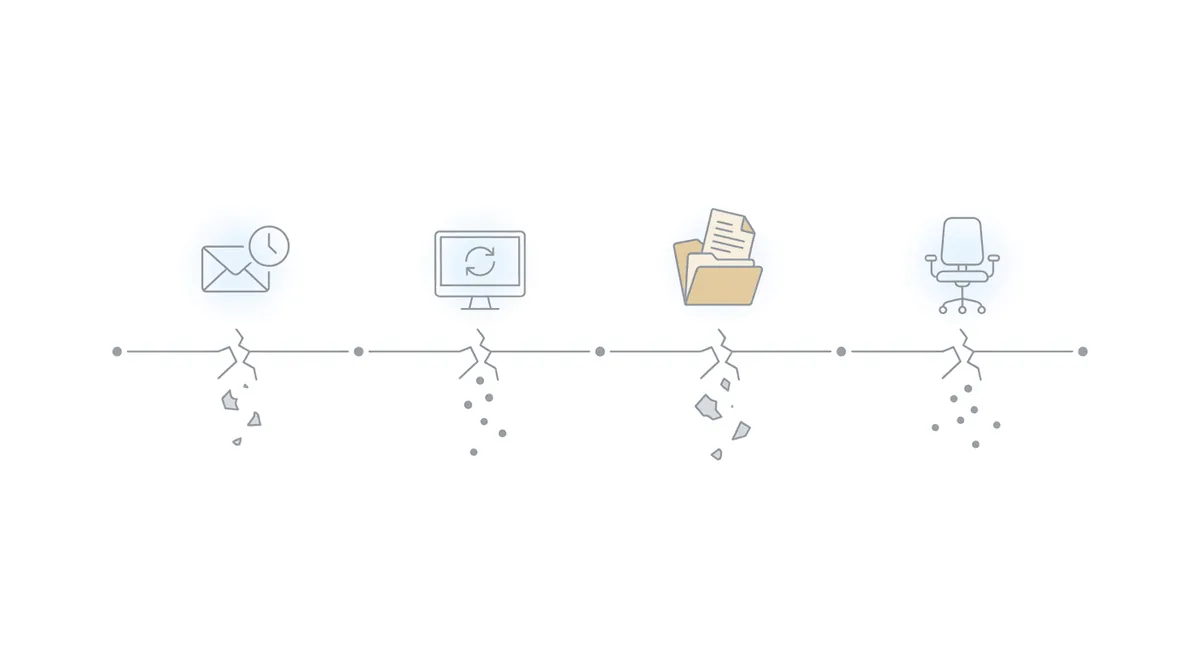
Firms don’t miss deadlines because they don’t care. They miss them because of structural gaps in how information flows from SSA to the firm.
Mail delays. SSA mails notices to both the claimant and the representative. But mail from SSA is notoriously inconsistent. Regional office processing times vary. Some notices arrive promptly. Others take 10–14 days. A firm that relies on mail as its primary awareness channel is structurally behind.
Manual ERE checking. Firms that check the ERE manually can’t check every case every day. A paralegal with 150 cases checking the ERE for each one would spend hours daily just logging in, navigating, and scanning for changes. Something always gets missed.
Volume overwhelm. At scale, the number of active deadlines across a caseload becomes unmanageable without a system. A firm with 300 cases may have dozens of active deadlines at any given time. Tracking them in spreadsheets or CMS task lists works until someone forgets to create the entry, and forgetting is most likely for the deadlines you didn’t know about yet.
Staffing gaps. When a paralegal is out sick, on vacation, or leaves the firm, their cases don’t pause. Deadlines continue to run. If no one is monitoring those cases, a two-week absence can mean a missed window.
Jonathan Heeps of Martin, Jones & Piemonte described the operational reality: “We’d get a 10-day notice on day 9 or a 25-day letter on day 24. That made things a lot more challenging.”
Building a System That Catches Everything
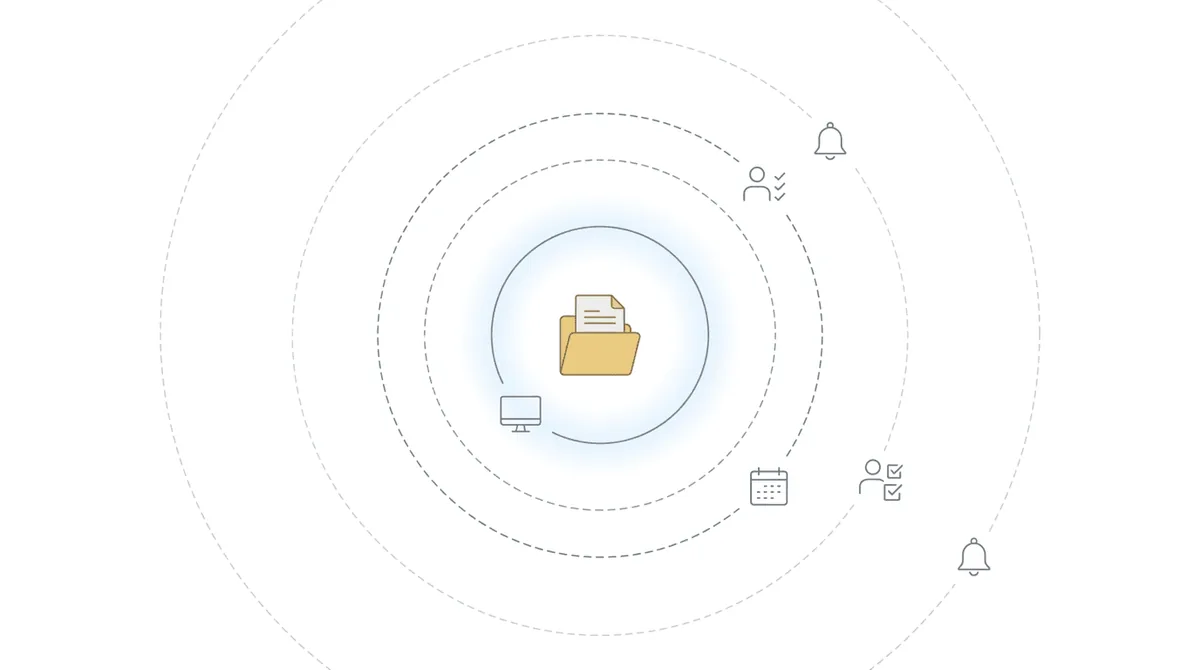
The firms that rarely miss deadlines have one thing in common: they don’t rely on any single channel. They layer multiple systems so that a failure at one level gets caught at another.
Layer 1: Daily ERE Monitoring
The first line of defense is knowing what SSA does the day it does it. If a decision posts to the ERE on Tuesday, the firm should know Tuesday, not when the letter arrives Friday, or when someone checks the ERE the following week.
Daily automated ERE monitoring catches new documents, status changes, hearing notices, and correspondence as they appear. That information feeds every downstream deadline-tracking process.
Layer 2: Calendar and Task Systems
When a deadline-triggering event is detected (a decision, a CE notice, a questionnaire), it should immediately create a calendar entry or CMS task with the due date. Most firms subtract a buffer (5–10 business days) from the actual deadline to set the internal due date.
This works well when the triggering event is reliably captured. It fails when the event isn’t detected until late, which brings us back to Layer 1.
Layer 3: Scheduled Human Review
Even with automation, a weekly or biweekly manual review of all active cases catches anything the system missed. This is especially important for post-hearing cases, where the ALJ may issue orders or decisions with compressed timelines.
Assign a specific person (or rotating responsibility) to review the active case list and confirm that no pending deadlines have slipped through.
Layer 4: Escalation Protocols
For any deadline within 10 days: escalate. The responsible paralegal, the supervising attorney, and a backup contact should all be aware. If a deadline is 5 days out with no action taken, it should trigger an automatic alert or a standing check-in.
Al Frevola of The Disability Champions described the scale challenge: his firm went from 900 to 3,000 active cases. At that volume, the firm “eliminated three positions primarily due to improvements in technology”, but the systems that enabled that growth also ensured that deadline tracking scaled with the caseload, not against it.
What to Do If You’ve Already Missed One
If a deadline has passed:
- Assess the situation immediately. What was the deadline? When did it expire? What’s the consequence?
- File a good cause request if applicable. Document the reason for the late filing with specificity. The SSA considers good cause on a case-by-case basis, and common qualifying reasons include serious illness, natural disaster, misleading information from SSA, or sending the filing to the wrong office.
- Don’t wait to act. The longer the gap between the deadline and the late filing, the harder good cause becomes to establish. File as quickly as possible.
- Communicate with the client. Be direct about what happened, what the consequences are, and what steps you’re taking to remedy it. Clients deserve transparency.
- Fix the system, not just the case. A missed deadline is almost always a process failure, not a people failure. Identify the gap (was it delayed awareness? A missed handoff? A staffing gap?) and close it.
Making It Automatic
Chronicle checks the ERE and e-file daily for each monitored case. When a new document posts (a decision, a CE notice, a questionnaire, a hearing schedule), the firm is alerted the same day. That daily monitoring is the Layer 1 that makes every other layer work.
The firms that track SSA deadlines without anxiety are the ones that don’t have to think about whether they’ve seen the latest notice. They know they have, because their monitoring system told them.
Michele Marois of Anderson Marois & Associates captured it simply: “I sleep better knowing where every single file is.”
That’s what a deadline system buys you. Not just compliance, but confidence.