
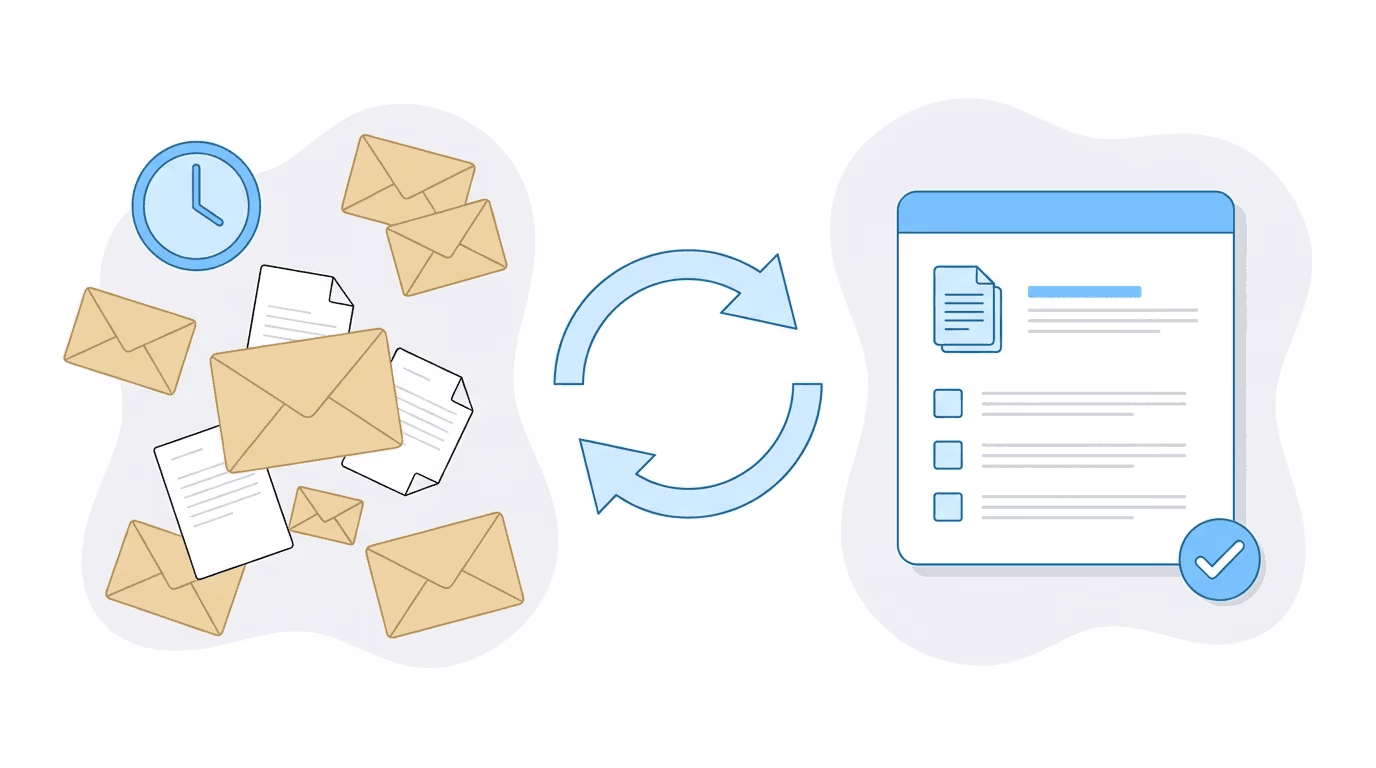
Physical mail remains the operational backbone of most disability law firms. SSA correspondence arrives in envelopes. Staff opens, scans, sorts, and routes it. Deadlines get calendared from paper documents. This workflow has functioned for decades.
For many firms, it still works. Until it doesn’t.
The mailroom becomes a problem when volume exceeds what manual processing can handle reliably. Missed documents. Late notices. Staff scrambling to figure out what arrived and when. The failure mode is quiet. You often don’t know something slipped until a deadline passes or a client calls asking about a letter you never saw.
Why Physical Mail Still Dominates Disability Law Firms
SSA has historically been a paper-first agency. Field offices mail notices. DDS sends correspondence. Hearing offices issue scheduling letters. Even as ERE (Electronic Records Express) has expanded, physical mail remains a primary communication channel for many document types.
Disability firms built their operations around this reality. Mail arrives. Someone opens it. Documents get scanned into the case management system, tasks get created, deadlines get tracked.
For small firms with manageable caseloads, this works. The process is familiar. Staff know the routine. There’s no learning curve, no new system to adopt.
But familiarity masks risk. Physical mail processing depends on consistent staffing (someone must be present to receive and process mail), reliable USPS delivery timing, manual attention to every envelope, and human memory for tracking what was processed and when.
Each dependency is a potential failure point. As caseloads grow, they multiply.
The Hidden Cost of Mail-Driven Operations
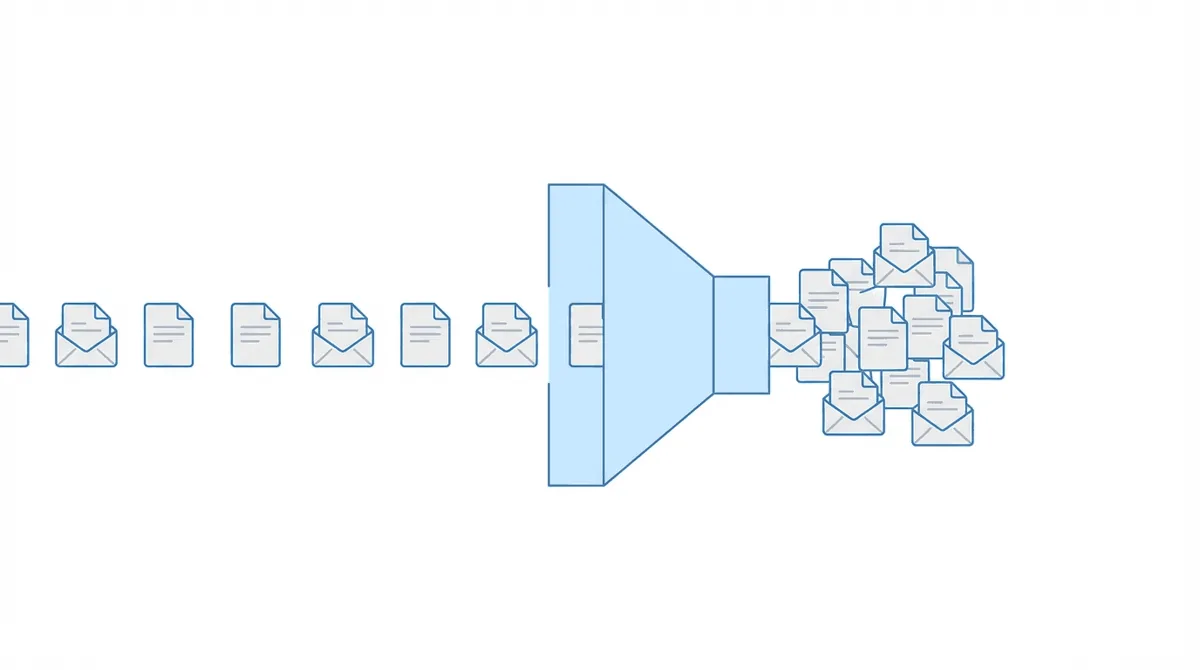
The obvious cost of physical mail is labor. Someone has to open envelopes, identify documents, scan them, name the files. Then upload them to your CMS. Then create the appropriate tasks or calendar entries. For a firm handling a few hundred active cases, this can consume hours of staff time daily.
The less obvious cost is what happens when the process fails.
“We’d get a 10-day notice on day 9 or a 25-day letter on day 24. That made things a lot more challenging.” That’s Jonathan Heeps of Martin, Jones & Piemonte describing the timing problem with physical mail. SSA sends a notice with a response deadline. The postal service delivers it. Your firm receives it. By the time staff processes and routes the document, the deadline may already be uncomfortably close.
There’s also no audit trail. When did that letter arrive? Who processed it? Was it scanned correctly? If a document goes missing between the mailbox and the case file, reconstructing what happened is difficult. You’re relying on memory and timestamps that may not exist.
Client communication suffers too. When your awareness of case status depends on mail delivery, clients sometimes learn about decisions before you do. They receive their copy of an approval or denial letter. They call your office asking about next steps. Your staff has no answer because the firm’s copy hasn’t been processed yet.
At Martin, Jones & Piemonte, paralegals estimated “probably five or six hours per week per paralegal—just checking the ERE.” Time spent on portal refreshes and document downloads that could go toward case preparation.
When Mail Processing Breaks Down
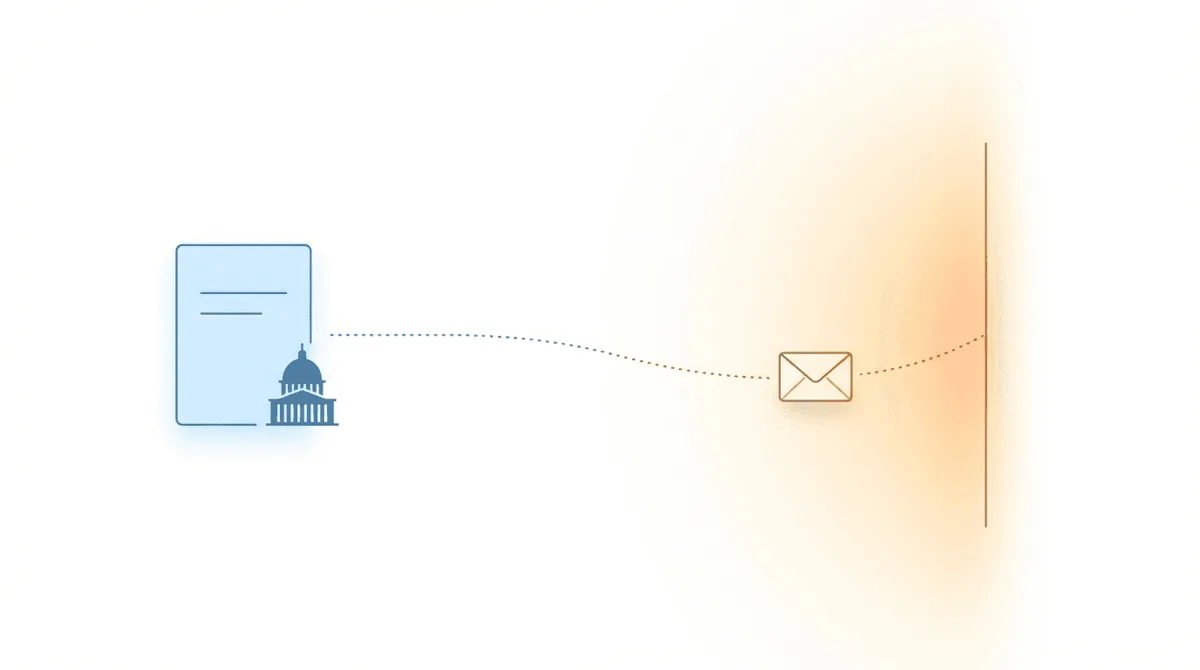
Mail-driven operations don’t fail suddenly. They degrade gradually as volume increases.
“It wasn’t as bad at 50 or 75 cases. But once we hit 100-125, it became more and more cumbersome…” Leanne Hernandez of Disability Advocates LLC identified the threshold where manual processes started straining. The same workflow that worked at 50 cases becomes a bottleneck at 125.
At The Disability Champions in Fort Lauderdale, the challenge was scale. “We were a paper-mail driven firm, trying to manage a huge volume of incoming mail. We had to scan everything manually, then distribute it to case managers to process—calendaring deadlines, tasks, and more.” Al Frevola described a firm that had grown to thousands of active cases while still relying on physical mail as the primary information source.
External disruptions accelerate the breakdown. COVID forced many firms to adapt to remote work almost overnight. Staff who previously processed mail in the office were suddenly working from home. At The Law Office of Nancy L. Cavey, follow-up volume spiked from 20-30 per day to 100-200. The existing process couldn’t absorb that increase.
Staff turnover creates similar problems. When the person who handles mail leaves, institutional knowledge goes with them. Training a replacement takes time. Processing slows, errors increase.
Firms don’t abandon mail-driven operations because they’re inefficient in theory. They abandon them because something breaks in practice.
What Digital Mail Handling Actually Looks Like
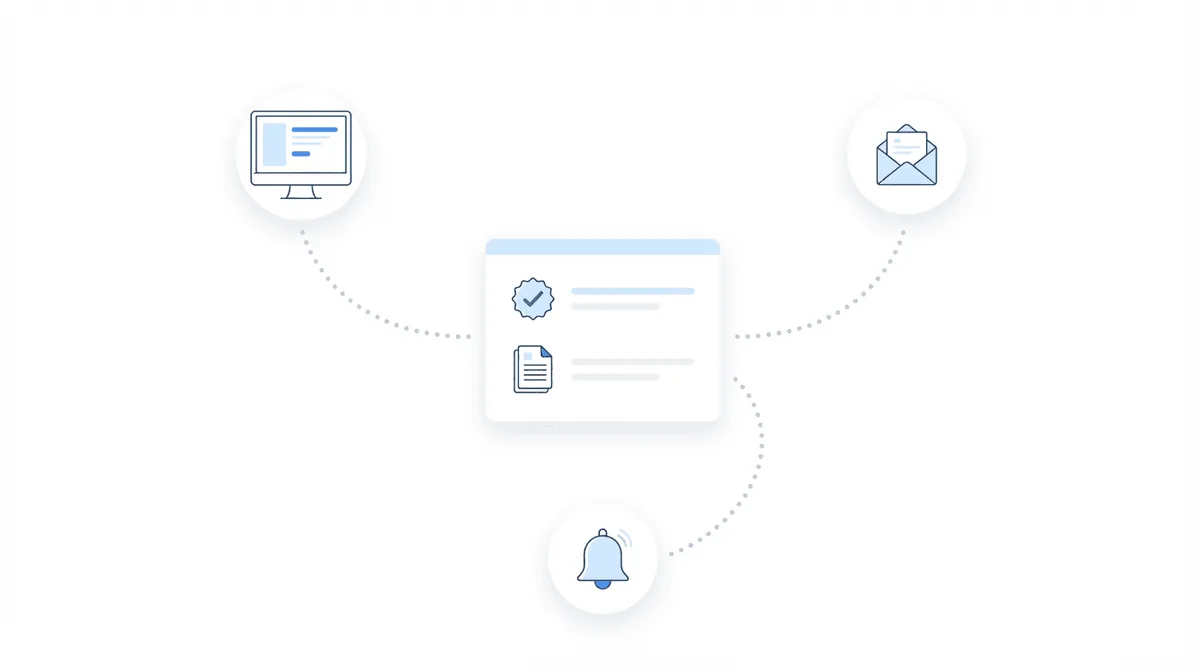
Digital mail handling means the workflow becomes continuous rather than reactive. Instead of waiting for physical mail to arrive and be processed, information flows into a centralized system that staff can monitor throughout the day.
For SSA-facing operations, this means automated monitoring of Electronic Records Express. Chronicle provides real-time monitoring of SSA Electronic Records Express (ERE) activity. Chronicle alerts firms when new SSA correspondence or ERE documents are posted. Staff don’t need to log into ERE manually, navigate the portal, and check each case for updates. The system surfaces what’s new.
The practical difference shows up in daily operations.
All SSA correspondence appears in one place rather than scattered across physical mail stacks, ERE downloads, and email. Chronicle centralizes SSA mail handling by digitizing and organizing correspondence into a consistent workflow. Every document has a timestamp showing when it arrived and how it was handled. When something goes wrong, you can trace the path.
Deadlines surface automatically based on document type rather than requiring manual calendaring from paper notices. Chronicle includes deadline monitoring and alerts to reduce missed tasks in case prep. And the system integrates with existing case management systems (Clio, Filevine, others), so documents flow into your CMS without manual upload for every item.
Physical mail will continue arriving. But when ERE monitoring is automated and SSA correspondence is centralized, physical mail becomes a backup channel rather than the primary information source.
Making the Transition: Physical to Digital
Moving from paper-dependent to digital workflows doesn’t require abandoning everything at once. Most firms run parallel processes during the transition.
Start with ERE monitoring. This addresses the timing problem directly. When SSA posts a document to ERE, you learn about it within hours rather than days. Physical mail continues arriving, but you’re no longer dependent on it for time-sensitive information.
The initial setup is lighter than most firms expect. Chronicle automates routine ERE document checks so staff do not need to manually log in to look for updates. Staff training focuses on where to look for new documents and how alerts work.
During the transition period, maintain your existing mail processing. Physical mail still needs to be opened and scanned. But as staff see ERE updates appearing in Chronicle before the corresponding physical mail arrives, trust in the digital workflow builds. The physical mail becomes confirmation rather than discovery.
Staff adoption matters more than technical configuration. The firms that transition successfully are the ones where staff see immediate value. A paralegal receives an alert about a hearing notice before the physical letter arrives. The benefit is obvious.
Timeline varies by firm size and complexity. Most initial setups complete quickly. A trial period running a subset of cases through the new workflow takes one to two weeks.
What Changes When Mail Stops Being the Bottleneck
The operational shift is measurable. The Disability Champions grew from 900 to 3,000 active cases and reported a 75%+ drop in admin work. These results reflect a firm that rebuilt its operations around digital workflows rather than physical mail.
The day-to-day changes are what staff notice first.
Client communication becomes proactive. Viner Disability Law now contacts clients about decisions before the physical notice arrives, sometimes weeks ahead of mail delivery. Instead of clients calling to report approvals or denials the firm hasn’t processed yet, the firm reaches out first.
Appeals can be filed earlier. Michele Marois of Anderson Marois & Associates described the shift: “We don’t even have to wait for a denial letter. We can enter the date of the denial, download whatever denial document it is and get that appeal filed…” Awareness happens at the moment SSA posts the document, not when USPS delivers the paper copy.
Staff workload shifts from data entry to case work. Hours previously spent on ERE logins, manual downloads, document scanning, and deadline calendaring can go toward client contact, evidence gathering, hearing preparation.
Firms that hit the 100-125 case threshold where manual processes strained can often scale further without proportional staff increases. The constraint shifts from mail processing bandwidth to case handling capacity.
Moving Forward
Physical mail isn’t going away. SSA will continue sending paper correspondence. Clients will continue receiving letters. But firms that treat physical mail as their primary information source are operating with a structural disadvantage.
The information exists electronically before it exists on paper. ERE posts documents before USPS delivers them. The question is whether your firm accesses that information directly or waits for the postal service to catch up.
Chronicle is SSD-specific workflow infrastructure; it is not a generic legal automation platform. The focus is on SSA-facing operations: ERE monitoring, correspondence tracking, deadline management, and the coordination work that consumes staff time in disability practices.
For firms still running mail-driven operations, the transition doesn’t require a complete overhaul. It starts with gaining visibility into ERE activity. The mailroom doesn’t disappear, but it stops being the bottleneck.
Request a demo to see how Chronicle handles SSA correspondence for firms at your scale.